Introduction to Montessori Puzzle Maps
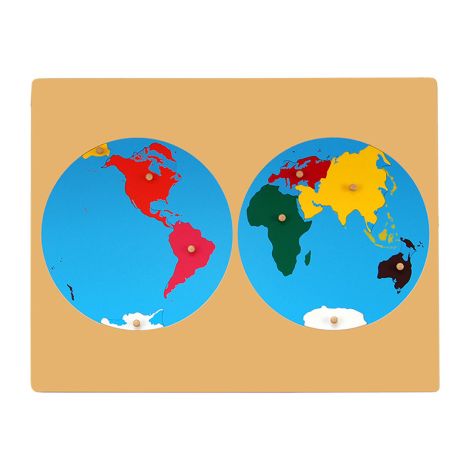
Montessori Puzzle Maps are an innovative educational tool designed to engage children in learning about geography. These maps are crafted in a way that combines hands-on interaction with visual and tactile stimulation. By integrating the Montessori approach, which emphasizes self-directed activity and learning through play, these puzzles offer a unique way for children to explore and understand the world around them.
Developing Spatial Awareness
One of the primary benefits of Montessori Puzzle Maps is their ability to develop spatial awareness in young learners. As children manipulate the puzzle pieces, they gain a better understanding of how different regions and countries fit together. This hands-on experience helps them visualize the relationships between various geographical locations, making abstract concepts more concrete and easier to grasp.
Encouraging Independent Learning
Kid Advance Montessori Puzzle Maps are designed to be used independently, allowing children to learn at their own pace. This independence is a core principle of the Montessori method, fostering a sense of autonomy and self-confidence. As children piece together the maps, they are not only learning about geography but also developing problem-solving skills and critical thinking abilities.
Enhancing Memory Retention
The tactile nature of Montessori Puzzle Maps aids in memory retention. When children physically handle the pieces and place them in the correct spots, they are more likely to remember the names and locations of countries and continents. This kinesthetic approach reinforces learning by engaging multiple senses, which can lead to better long-term recall of geographical information.
Promoting Fine Motor Skills
In addition to cognitive benefits, Montessori Puzzle Maps also promote the development of fine motor skills. As children grasp, rotate, and fit the puzzle pieces, they are refining their hand-eye coordination and dexterity. This physical manipulation of the puzzle pieces is not only essential for geographical learning but also contributes to overall motor skill development.
Fostering a Love for Geography
Montessori Puzzle Maps make learning about geography enjoyable and interactive. By presenting geographical concepts in a playful and engaging way, these puzzles help cultivate a child’s interest in the subject. This positive experience can inspire a lifelong curiosity about the world and encourage further exploration of global cultures and locations.
Supporting Visual and Cognitive Learning
The visual appeal of Montessori Puzzle Maps enhances cognitive learning. The bright colors and detailed illustrations capture children’s attention and make learning more engaging. This visual stimulation supports cognitive development by helping children associate visual information with geographical concepts, reinforcing their understanding through a combination of visual and hands-on learning.
Conclusion
Montessori Puzzle Maps offer a multifaceted approach to teaching geography that aligns with the principles of the Montessori method. By integrating tactile, visual, and cognitive elements, these puzzles provide a comprehensive learning experience that benefits children in multiple ways. From enhancing spatial awareness and memory retention to promoting fine motor skills and fostering a love for geography, Montessori Puzzle Maps are a valuable educational tool that supports children’s geographic understanding and overall development.
 Kid Advance Montessori