Creating a meaningful classroom environment for young learners involves more than desks and chairs—it requires purposeful tools that guide exploration, skill development, and independent thinking. When thoughtfully selected and arranged, Montessori classroom materials transform a space into a vibrant learning community where children build confidence, practice critical thinking, and develop foundational academic skills through hands-on experience.

Montessori Classroom Materials – Kid Advanceare specially designed educational tools that support a child’s natural drive to learn. These materials help students explore concepts in math, language, sensory development, problem-solving, and practical life skills. Rather than relying on rote memorization, these resources emphasize active engagement and discovery, allowing children to develop at their own pace. From tactile items that refine fine motor abilities to structured manipulatives that clarify abstract concepts, these classroom materials make learning both concrete and meaningful.
What Makes Montessori Classroom Materials Unique
The Montessori method places a strong emphasis on independence, self-directed activity, and thoughtful design. Classroom materials are intentionally created to be hands-on, self-correcting, and aligned with developmental stages. Unlike traditional worksheets or passive screen activities, Montessori classroom materials encourage children to learn by doing, reinforcing logical thinking and personal discipline.
A key principle behind these materials is isolation of difficulty—each tool focuses on a single concept or skill. For example, a number bead sequence teaches quantity without overwhelming the learner with symbols, while a language activity may isolate vowel sounds to build phonetic awareness. This approach allows children to grasp fundamental ideas before moving on to complex tasks.

Core Categories of Montessori Classroom Materials
Montessori classroom environments include a wide array of materials organized into specific learning areas. These categories work together to provide a comprehensive educational experience.
Practical Life Materials
Practical life materials teach children everyday skills that build independence and coordination. These include tools for pouring, threading, sorting, and buttoning. Practical life tasks engage children in purposeful movement, refining their motor skills while strengthening focus and concentration.
By working with real-life tools and activities, children learn sequencing, order, and care of the environment. They gain confidence as they complete meaningful tasks independently.
Sensorial Materials
Sensorial materials help children refine their senses and organize perception. These include items that differentiate size, shape, color, texture, and sound. Activities such as matching color tablets or sorting geometric shapes sharpen observation and classification skills.
Sensorial exploration supports cognitive development by helping children understand similarities and differences in the world around them. These refined senses also build a foundation for later academic learning.

Language Materials
Language materials include tools that introduce letters, sounds, vocabulary, and speech skills. Montessori classroom materials often involve tactile engagement, such as movable alphabets and textured letters, which help children connect oral language with written symbols.
Children use these materials to explore phonics, read simple words, and build sentence structure. This hands-on interaction strengthens early literacy skills in a natural and engaging way.
Math Materials
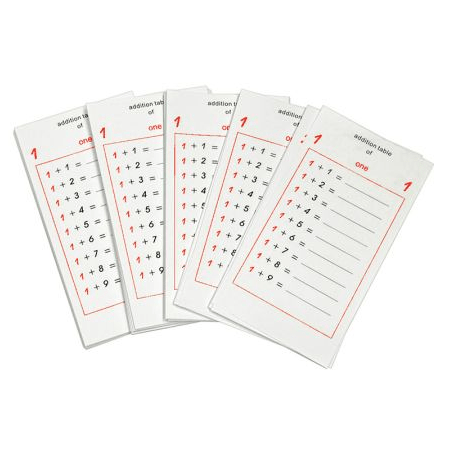
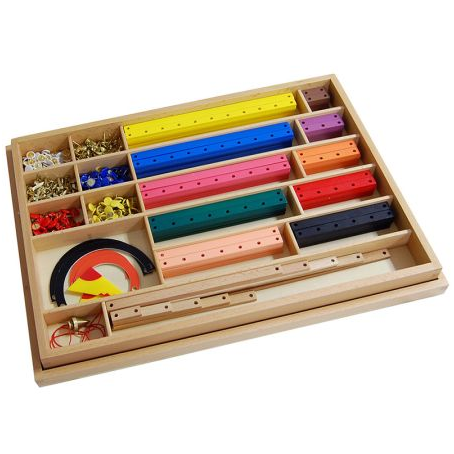
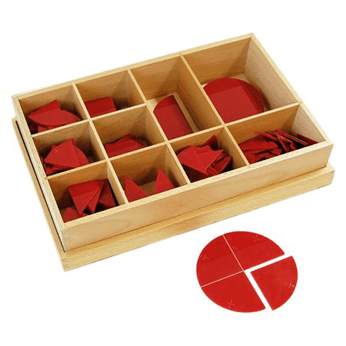
Math materials bring abstract concepts to life. Tools like number beads, counting rods, and numerical cards help children internalize mathematical ideas through manipulation and visualization.
These materials are designed to sequence logically from concrete to abstract. For example, children may begin with physical bead representations of numbers before transitioning to written numerals and arithmetic operations.
Cultural and Creative Materials
Montessori classroom materials also include resources that support cultural awareness, science exploration, art, and creativity. Puzzles, maps, and nature-based activities broaden a child’s understanding of the world, while art materials provide opportunities for imaginative expression.
Creative exploration encourages children to experiment, take risks, and communicate ideas visually and emotionally.
Arranging Montessori Classroom Materials
The physical setup of materials in a Montessori classroom is intentional and highly organized. Each set of materials has a designated place on low, accessible shelves so that children can choose and return items independently.
Materials are typically displayed in a specific order, progressing from simple to more complex. This organization helps children understand expectations and fosters a sense of rhythm in the classroom routine.
When introducing new materials, educators provide clear demonstrations and then allow children the freedom to explore independently. Observation plays a key role: teachers watch how children interact with materials to determine when to introduce new challenges or provide support.
Benefits of Montessori Classroom Materials
Integrating Montessori classroom materials into educational settings offers a wide range of benefits for young learners.
Improved Concentration Children develop sustained focus as they engage deeply with hands-on materials. The self-paced nature of these tools encourages quiet concentration and thoughtful exploration.
Enhanced Independence Children learn to choose activities, manage materials, and complete tasks on their own. This cultivates self-confidence and responsibility.
Stronger Cognitive Skills Hands-on engagement helps children internalize complex concepts through physical experience. Logical reasoning, memory, and problem-solving are strengthened through purposeful play.
Better Coordination Fine and gross motor skills improve through repeated manipulation of sensorial and practical life materials. These activities support writing readiness and everyday tasks.
Prepared for Future Learning Children who engage with Montessori classroom materials build a strong foundation for future academic success. Concepts in math, language, and science emerge naturally through exploration rather than rote instruction.
Using Montessori Classroom Materials at Home
While these materials are commonly seen in classroom environments, parents can also incorporate many Montessori-inspired tools into home learning spaces. Simple changes, such as arranging materials at child-level shelves or offering baskets of purposeful activities, help support self-directed learning.
Provide a calm, uncluttered area where children can choose from a limited number of materials at a time. Rotate items periodically to refresh interest and introduce new learning opportunities without overwhelming the child.
Observation is key. Allow children to lead, and step in with guidance only when needed. Encouraging independence at home reinforces skills that will benefit children in school and everyday life.
Montessori Classroom Materials and Technology
While the Montessori method traditionally emphasizes tactile, physical materials, technology can have a thoughtful place when used sparingly and intentionally. Digital apps or tools that reinforce concepts learned through hands-on materials can support learning without replacing physical engagement. The focus should remain on sensory exploration and active discovery.
Frequently Asked Questions (FAQs)
1. What types of educational tools are available on the website?
The website offers a variety of educational materials, including puzzles, building blocks, sensory toys, language tools, math manipulatives, and hands-on learning resources that support early childhood development.
2. Are the Montessori classroom materials suitable for classroom and home use?
Yes. Many tools designed for classroom environments can also be adapted for home learning, making it easy for parents to provide meaningful activities at home.
3. How do these materials help children learn math and literacy skills?
Montessori classroom materials allow children to manipulate physical objects to understand abstract concepts such as numbers, counting, phonics, and word building. This hands-on approach reinforces understanding through experience.
4. Can parents use Montessori materials without formal training?
Absolutely. Materials are designed to be intuitive and child-centered. With simple explanations and demonstrations, parents can confidently introduce lessons at home.
5. How should materials be organized in a learning environment?
Materials should be placed on low, accessible shelves, arranged from simple to complex. Each item should have a defined space, and children should be encouraged to return materials after use, promoting responsibility.
Final Thoughts
Montessori classroom materials are more than tools—they are invitations to learn, explore, and grow. When incorporated thoughtfully into educational settings, they nurture independence, deepen understanding, and spark curiosity. By supporting hands-on engagement and self-directed discovery, these materials help children develop lifelong skills that extend far beyond the classroom walls. Whether used in schools or at home, Montessori classroom materials provide meaningful opportunities for children to learn with confidence and joy.
 Kid Advance Montessori