Montessori education emphasizes hands-on learning, allowing children to explore abstract concepts through tactile experiences. Among these, Montessori math materials hold a special place, as they bridge the gap between concrete understanding and abstract reasoning. By using these materials, children can develop a deep comprehension of numbers, operations, and mathematical relationships at their own pace.
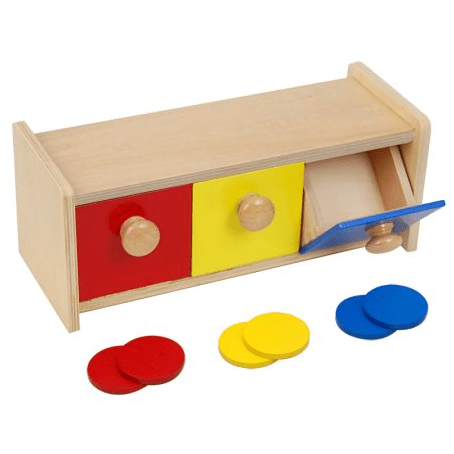
When we talk about Montessori math, it’s essential to understand that these materials are designed to progress in a logical sequence. Starting from the basics of counting and moving towards complex arithmetic operations, Montessori math materials guide children through a structured learning path. One crucial category that supports this journey is Kid Advance Montessori Practical Life Materials. These materials, though primarily used for everyday life skills, play a critical role in preparing children for mathematical thinking. Tasks such as pouring, transferring, or sorting objects help develop fine motor skills, concentration, and coordination — all of which are foundational for handling Montessori math materials like number rods, golden beads, and the stamp game.
Sequence of Montessori Math Materials
Montessori math materials are not introduced randomly; they follow a carefully designed sequence that builds a child’s understanding step by step. This sequence ensures that children move from concrete experiences to abstract reasoning confidently. Here’s a typical progression:
- Number Sense and Counting
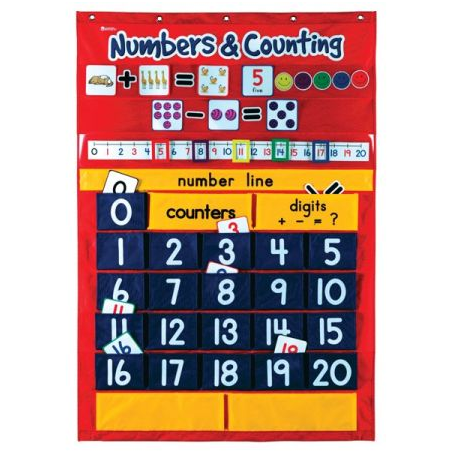
Children start by learning to recognize numbers, understand quantities, and count objects. Materials like number rods and cards help them visualize numerical values while using Montessori Practical Life Materials enhances their hand-eye coordination, making counting activities smoother.
- Decimal System and Place Value
After mastering counting, children are introduced to the decimal system. Materials like golden beads allow them to understand units, tens, hundreds, and thousands through physical manipulation. The tactile experience strengthens their grasp of place value concepts.
- Addition and Subtraction
Using beads, counters, or stamp games, children begin combining and separating numbers. The use of Montessori Practical Life Materials at this stage improves precision and control, supporting successful completion of addition and subtraction exercises.
- Multiplication and Division
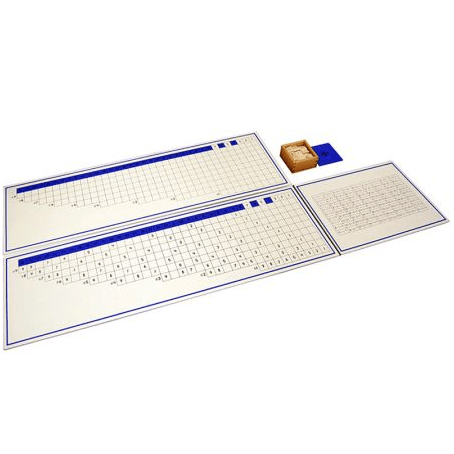
At this level, children explore repeated addition, arrays, and grouping. Materials are designed to help them visualize multiplication tables and division concepts, ensuring a strong foundation before moving into abstract problem-solving.
- Advanced Concepts
Once comfortable with basic operations, children can explore fractions, decimals, and geometric concepts. Montessori math materials are introduced progressively to match the child’s cognitive development, ensuring they are never overwhelmed.
How to Use Montessori Math Materials Effectively
Correct usage of Montessori math materials is essential to maximize their benefits. Here are some best practices:
- Follow the Prepared Sequence: Always introduce materials in the recommended order, starting with concrete experiences and gradually moving to abstraction.
- Hands-On Manipulation: Encourage children to touch, move, and interact with every material. The tactile experience is crucial for understanding numbers and operations.
- Consistent Practice: Regular sessions with these materials reinforce concepts and help children internalize mathematical operations.
- Observation: Teachers and parents should carefully observe the child’s progress, offering guidance without taking over the activity.
- Integration with Practical Life Activities: Montessori Practical Life Materials complement math learning by enhancing fine motor skills and concentration, allowing children to engage with math materials more effectively.
Benefits of Using Montessori Math Materials
- Concrete Understanding of Abstract Concepts
Children grasp numerical operations more deeply when they can manipulate objects rather than only seeing numbers on paper.
- Independent Learning
Montessori materials are designed for self-correction. Children learn to assess their own work, fostering independence and confidence.
- Enhanced Cognitive Development
By engaging in step-by-step manipulation of materials, children improve logical thinking, problem-solving, and memory skills.
- Improved Concentration and Focus
Both Montessori math materials and Montessori Practical Life Materials encourage extended focus and attention to detail, essential for academic success.
- Smooth Transition to Abstract Math
Once children master hands-on activities, moving to abstract numbers, mental calculations, and complex problem-solving becomes easier and natural.
Tips for Choosing Montessori Math Materials
When selecting Montessori math materials, consider the following:
- Durability: Materials should withstand frequent use by children.
- Clarity: Each material must clearly represent the concept it teaches.
- Age Appropriateness: Ensure that the materials match the developmental stage of the child.
- Integration with Practical Life: Choose materials that complement fine motor and coordination exercises, such as pouring beads or threading activities.
FAQs About Montessori Math Materials
Q1: What are Montessori Practical Life Materials and how do they support math learning?
A1: Montessori Practical Life Materials are tools used for everyday tasks such as pouring, sorting, or transferring. They enhance fine motor skills, concentration, and hand-eye coordination, which are essential for handling math materials effectively.
Q2: At what age should children start using Montessori math materials?
A2: Children can begin exploring basic counting and number recognition around age 3. More complex materials like golden beads or the stamp game are usually introduced between ages 4 and 6, depending on the child’s readiness.
Q3: Can Montessori math materials be used at home?
A3: Yes, these materials are highly effective for home use. Parents can set up a prepared environment similar to a Montessori classroom and guide children through hands-on activities.
Q4: How often should children practice with Montessori math materials?
A4: Daily short sessions of 15–30 minutes are ideal. Consistent practice ensures that children retain concepts without feeling pressured.
Q5: Are Montessori math materials only for gifted children?
A5: No, these materials are designed for all children. They adapt to each child’s pace, making learning accessible, engaging, and enjoyable for every learner.
Final Thoughts
Montessori math materials are more than just tools; they are a pathway to nurturing independent, confident, and logically thinking children. When integrated with Montessori Practical Life Materials, they create a holistic learning environment that develops both cognitive and physical skills. By following the correct sequence and usage guidelines, parents and educators can help children master mathematical concepts while fostering a lifelong love for learning.
 Kid Advance Montessori