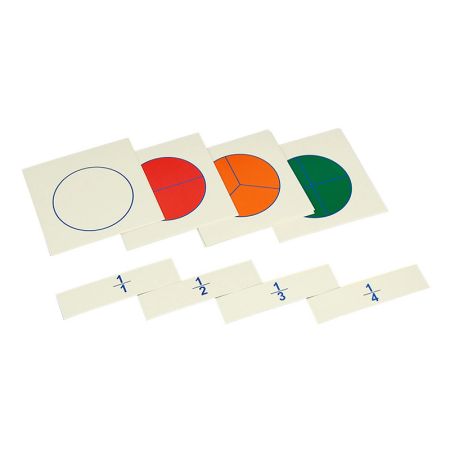
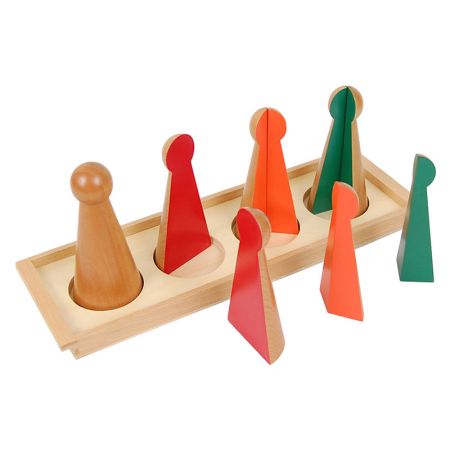
Buy Montessori Materials for Sale to Enhance Early Learning

Creating an inspiring and educational environment for children is key to their development, and Montessori education offers a unique approach that emphasizes hands-on learning, independence, and self-paced growth. For parents, teachers, and homeschoolers seeking Montessori materials for sale, having access to high-quality resources ensures that children can explore, learn, and develop essential life skills effectively.
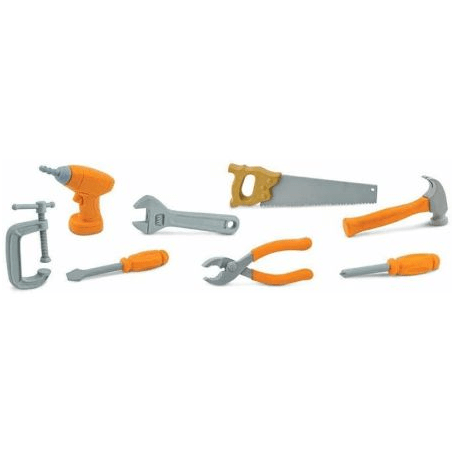
Kid Advance Montessori materials are thoughtfully designed to engage children in meaningful activities that promote cognitive, sensory, and motor skill development. By incorporating these materials into a child’s learning environment, you provide opportunities for practical skill-building, creativity, and exploration. When searching for Montessori materials for sale, it’s important to select items that are safe, durable, and suitable for the child’s age and developmental stage.
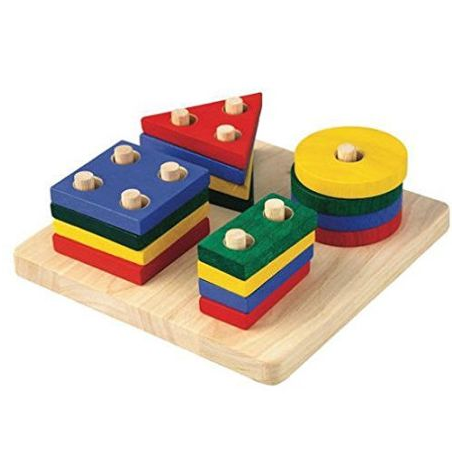
Why Montessori Materials Are Essential

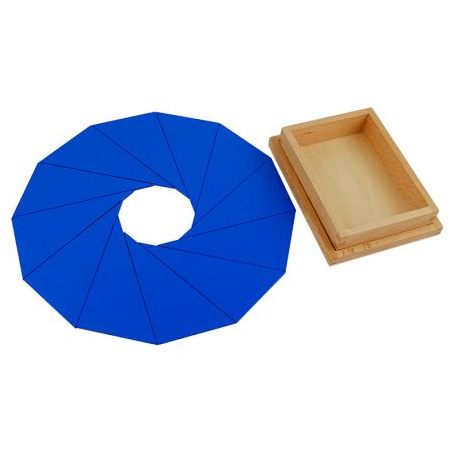
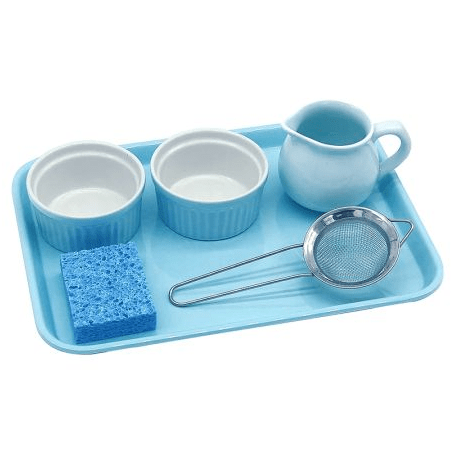
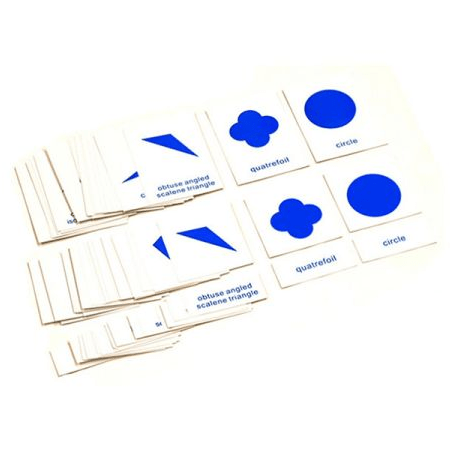
Montessori materials are more than just learning tools—they are carefully crafted aids that encourage independence and critical thinking. Each item is designed to teach a specific concept, allowing children to learn through hands-on experience. Practical life materials, such as pouring exercises or utensil sets, teach everyday skills while refining coordination and concentration. Sensorial tools, including color tablets or geometric shapes, help children develop observation and classification abilities, laying a foundation for complex learning.

These materials allow children to progress at their own pace, fostering a sense of confidence and self-motivation. By incorporating Montessori materials into classrooms or home learning spaces, children gain the freedom to explore concepts through play and discovery, which enhances their curiosity and engagement.

Popular Categories of Montessori Materials

When browsing Montessori materials for sale, it’s helpful to know the main categories and their benefits:

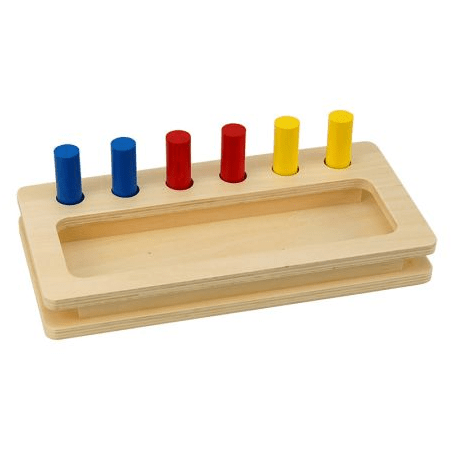
  • Practical Life: Activities that teach daily routines, self-care, and coordination. Examples include pouring exercises, dressing frames, and cleaning sets.
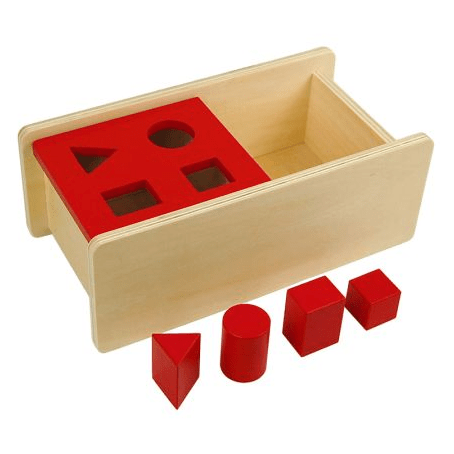
  • Sensorial: Materials that refine the five senses, such as color tablets, sound cylinders, and texture boards.
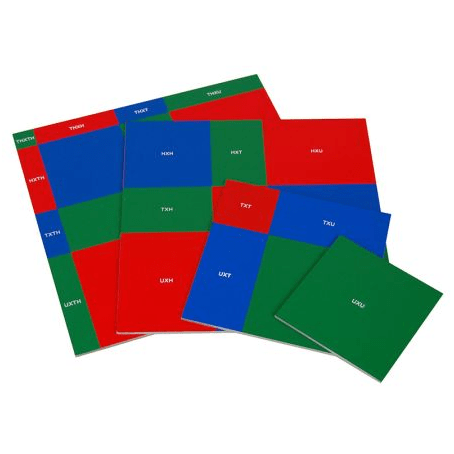
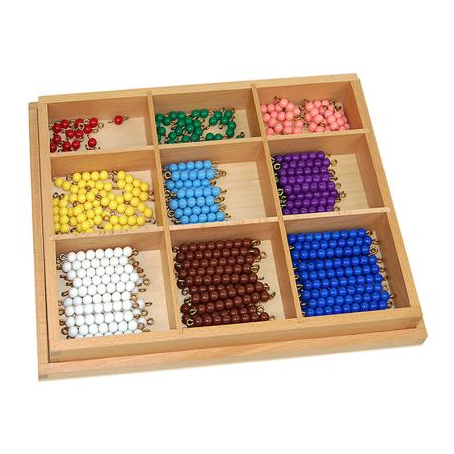
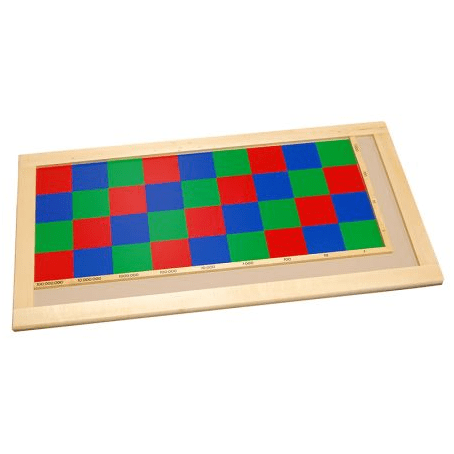
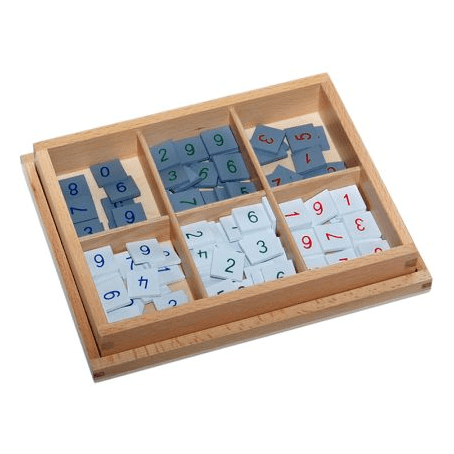
  • Mathematics: Hands-on math tools like counting beads, number rods, and shape puzzles make abstract concepts tangible.
  • Language: Materials such as movable alphabets, phonetic games, and word cards promote reading, writing, and communication skills.
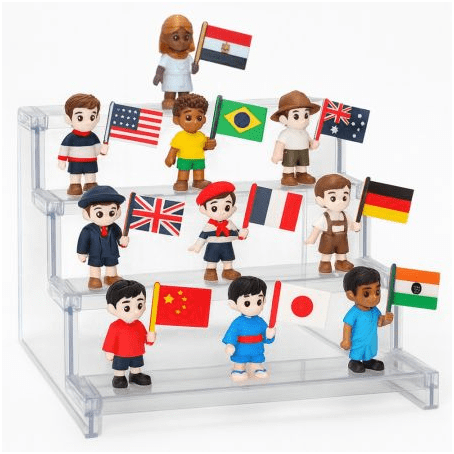
  • Science & Geography: Globes, animal models, and biology sets introduce children to nature, animals, and the world around them.
  • Art & Creativity: Items that encourage creative expression, including painting, drawing, and craft materials.

Selecting a diverse range of Montessori materials helps children develop holistically by engaging multiple senses and learning styles.

Benefits of Using Montessori Materials

Using Montessori materials in education offers numerous advantages:

  1. Hands-On Learning: Children learn by doing, which strengthens understanding and retention.
  2. Promotes Independence: Materials are designed to allow self-directed learning and problem-solving.
  3. Enhances Concentration: Focused activities improve attention span and cognitive skills.
  4. Encourages Exploration: Open-ended materials invite curiosity and creativity.
  5. Supports Holistic Development: Physical, intellectual, and emotional growth are all fostered.

By choosing Montessori materials for sale, parents and educators can ensure that children have access to engaging, developmentally appropriate learning tools.

Tips for Choosing Montessori Materials

  • Quality & Safety: Select non-toxic, durable materials that can withstand repeated use.
  • Age Appropriateness: Consider the developmental stage of the child to ensure materials are effective.
  • Variety: Include materials across different categories for well-rounded learning.
  • Ease of Use: Materials should allow children to explore independently.
  • Educational Value: Each item should have a clear learning purpose aligned with Montessori principles.

FAQs About Montessori Materials

1. What age is Montessori suitable for?

Montessori education can begin as early as infancy and continue through elementary levels, with materials tailored for each developmental stage.

2. Are Montessori materials expensive?

Prices vary depending on material type and quality, but investing in durable and educational materials ensures long-term use and value.

3. Can Montessori materials be used at home?

Yes, many materials are suitable for home use and can help children develop independence, practical skills, and curiosity in a familiar environment.

4. How do I know which Montessori materials to buy first?

Start with practical life and sensorial materials for younger children, then gradually introduce language, math, and science tools as they grow.

5. How should Montessori materials be maintained?

Keep materials clean, organized, and in good condition. Many items are made of wood or durable materials that last for years with proper care.

Conclusion

Investing in Montessori materials for sale is an excellent way to provide children with the tools they need to explore, learn, and grow in a hands-on, meaningful way. By selecting high-quality, developmentally appropriate materials, parents and educators can create an environment that fosters independence, creativity, and a lifelong love of learning. From practical life exercises to sensorial, language, and math tools, the right materials help children thrive in all areas of development.

Montessori materials are more than just classroom resources—they are tools that empower children to think critically, solve problems, and engage actively in their learning journey.

Resource: https://kidadvancemontessori.blogspot.com/2025/12/Buy-Montessori-Materials-for-Sale-to-Enhance-Early-Learning.html

Montessori Work Rugs: The Foundation of an Organized Learning Environment

In every Montessori classroom, simplicity, structure, and independence are at the heart of learning. One of the most underrated yet essential elements that support these values is the Montessori work rug. This simple tool plays a powerful role in helping children build focus, respect, and responsibility — all while keeping the classroom environment organized and beautiful.

What Are Montessori Work Rugs?

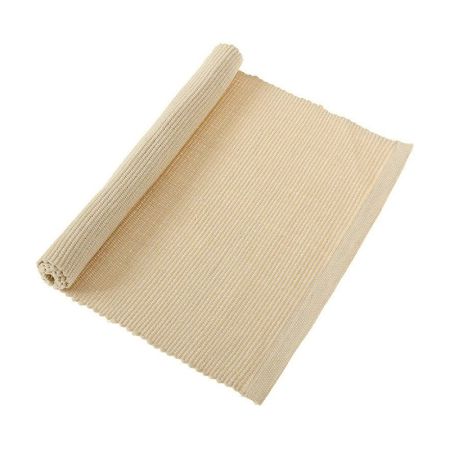
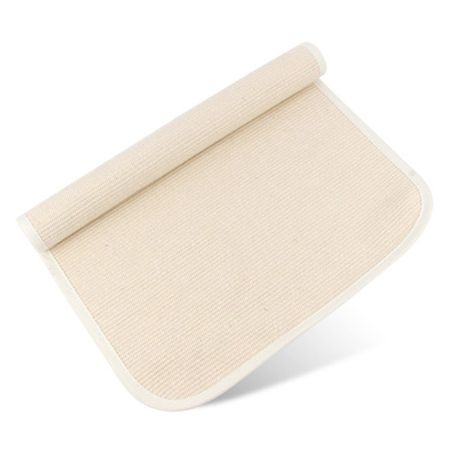
Kid Advance – Montessori work rugs are small, portable floor mats used by children to define their workspace during learning activities. Rather than working directly on desks or random areas of the floor, children unroll a rug to create their own “learning zone.” This practice teaches them order, spatial awareness, and respect for both their materials and the work of others.

In Montessori classrooms, every learning material has a purpose and a place. The rug becomes an extension of this philosophy — a physical boundary that helps children concentrate, complete tasks, and clean up independently when finished.

The Importance of Montessori Work Rugs in the Classroom

A Montessori work rug may seem like a simple classroom accessory, but it’s a cornerstone of Montessori education. It encourages a sense of order and discipline, essential traits that children carry throughout their lives.

Here’s why Montessori teachers and parents consider the work rug indispensable:

1. Encourages Independence

Children learn to take ownership of their learning environment. By unrolling and rolling up their rug, they set up and clean their workspace without adult intervention.

2. Defines Personal Work Space

Montessori classrooms are filled with movement and activity. The rug helps children define their personal learning area, preventing overlap and distractions.

3. Promotes Respect and Focus

When a child places their materials on the rug, it becomes a visual reminder to others not to disturb that space. This teaches respect and patience — key social-emotional skills in Montessori learning.

4. Supports Physical Order

The rug ensures materials stay organized and safe. Pieces from Montessori learning sets (like beads, letters, or puzzles) remain contained and easy to return.

5. Builds Routine and Responsibility

Every child learns to follow the same routine: choose a rug, select materials, work independently, and return everything to its place. This fosters consistency, care, and mindfulness.

Features of a Quality Montessori Work Rug

When choosing a Montessori work rug, it’s important to consider both practicality and sensory experience. A well-designed rug enhances the child’s learning comfort and supports classroom management.

Look for the following features:

·         Soft yet durable texture: Gentle on little hands and knees but strong enough for daily use.

·         Neutral colors: Natural tones (like beige, gray, or light brown) minimize distractions.

·         Flat weave design: Prevents materials from tipping or rolling away.

·         Non-slip backing: Ensures safety during floor activities.

·         Easy to roll and store: Encourages independence and organization.

A properly selected rug adds warmth and structure to the classroom while aligning with the minimalist, purposeful aesthetic of Montessori environments.

How to Introduce Montessori Work Rugs to Children

Introducing the work rug is one of the first lessons in any Montessori classroom. Teachers demonstrate how to handle it respectfully, creating a foundation for future learning behaviors.

Step-by-step introduction:

1.      Walk quietly to the rug stand or shelf.

2.      Carefully select a rug and carry it to a clear space.

3.      Unroll it gently, ensuring it lies flat on the floor.

4.      Use the rug for work, keeping all materials within its boundaries.

5.      When finished, roll the rug tightly and return it to its place.

This simple ritual helps children build fine motor control, patience, and concentration. It also introduces them to the Montessori principle of “freedom within limits.”

Caring for Montessori Work Rugs

Montessori education emphasizes care for the environment. Children are encouraged to take part in maintaining their classroom tools — including the rugs.

·         Clean regularly: Shake out dust and debris at the end of each week.

·         Spot clean: Use gentle, child-safe cleaners for spills or stains.

·         Rotate use: Alternate rugs to extend their lifespan.

·         Teach respect: Remind children that rugs are part of their learning materials and must be handled carefully.

By participating in care routines, children learn responsibility, cooperation, and pride in their learning space.

Choosing the Right Montessori Work Rug for Your Space

When selecting a rug, consider your environment — whether it’s a classroom, homeschool setup, or playroom.

Factors to keep in mind:

·         Size: Ensure it fits comfortably in your available space and can accommodate multiple materials.

·         Material: Natural fibers like cotton or jute provide comfort and durability.

·         Storage options: Have a designated area where children can store and retrieve their rugs easily.

·         Quantity: Ideally, each child should have access to their own rug during work time.

These thoughtful decisions make daily routines smoother and help maintain the Montessori principle of order and harmony.

Why Montessori Work Rugs Matter Beyond the Classroom

The lessons learned through using a Montessori work rug extend far beyond academic development. This small piece of fabric becomes a tool for life skills — teaching children about boundaries, organization, respect, and independence.

When a child learns to roll out their rug with care, they’re not just preparing to learn — they’re practicing mindfulness, control, and a sense of belonging in their environment. These are lifelong skills that shape confident, respectful learners.

Frequently Asked Questions (FAQs)

1. What is the main purpose of a Montessori work rug?

The main purpose of a Montessori work rug is to provide a defined workspace for children, helping them develop organization, focus, and respect for their environment and peers.

2. What material is best for a Montessori work rug?

Natural fibers like cotton or jute are preferred because they’re soft, durable, and eco-friendly. They also align with Montessori principles of simplicity and connection to nature.

3. How do children learn to use Montessori work rugs properly?

Teachers or parents demonstrate how to unroll, use, and roll up the rug as part of early Montessori lessons. Children quickly adopt this practice and integrate it into their daily routines.

4. How often should Montessori work rugs be cleaned?

Ideally, rugs should be shaken out or vacuumed weekly and spot-cleaned as needed. Regular maintenance ensures a hygienic and inviting learning environment.

5. Can Montessori work rugs be used at home?

Absolutely! Montessori work rugs are perfect for home learning spaces. They help children focus on tasks, respect boundaries, and transition smoothly between activities.

Conclusion

The Montessori work rug may be a small classroom item, but its impact is profound. It embodies the Montessori values of order, independence, and respect, creating an environment where every child feels confident and capable. Whether in a school or a home setting, this simple tool nurtures responsibility and care — the true foundations of lifelong learning.

Resource: https://kidadvancemontessori.blogspot.com/2025/11/Montessori-Work-Rugs-The-Foundation-of-an-Organized-Learning-Environment.html

Montessori Practical Life Materials: A Guide to Developing Independence in Children

Every parent dreams of raising a child who is confident, independent, and capable of handling everyday tasks. Montessori education provides a unique approach to achieve this goal, emphasizing hands-on learning, real-life experiences, and self-directed activity. Among the various Montessori approaches, Montessori Practical Life Materials play a pivotal role in helping children develop essential life skills, concentration, and self-confidence.

Why Montessori Practical Life Materials Are Essential

Kid Advance Montessori Practical Life Materials are carefully designed tools that allow children to perform real-life tasks independently. Activities like pouring water, buttoning clothes, or arranging items may seem simple, but they build critical skills that last a lifetime. By working with these materials, children enhance their fine motor skills, hand-eye coordination, and sense of responsibility. Moreover, the structured nature of these activities encourages patience, focus, and a feeling of accomplishment, giving children a strong foundation for future learning.

Types of Montessori Practical Life Materials

Montessori Practical Life Materials are categorized to help children develop different skills:

1. Care of Self

These activities focus on personal hygiene and self-care. Tasks include:

·         Brushing teeth

·         Combing hair

·         Dressing exercises like buttoning or zipping

By practicing these activities, children gain independence and confidence in managing their own personal needs.

2. Care of Environment

This category teaches children to take responsibility for their surroundings. Activities include:

·         Sweeping and dusting

·         Watering plants

·         Arranging items on shelves

Through these exercises, children develop a sense of order, responsibility, and appreciation for cleanliness.

3. Grace and Courtesy

Montessori Practical Life Materials also emphasize social skills, including:

·         Greeting others politely

·         Practicing table manners

·         Learning how to take turns

These activities help children develop communication skills, empathy, and emotional intelligence.

4. Sensorial Coordination

Some practical life materials are designed to strengthen coordination and precision. Examples include:

·         Using tweezers or tongs

·         Pouring exercises with water or rice

·         Transferring small objects from one container to another

These activities improve fine motor skills, hand-eye coordination, and focus.

How to Choose the Right Montessori Practical Life Materials

Choosing appropriate Montessori Practical Life Materials requires understanding your child’s current abilities and interests. Look for materials that are:

·         Safe and age-appropriate

·         Durable and easy to handle

·         Engaging but not overwhelming

Start with simple activities, such as pouring water or stacking objects, and gradually introduce more complex tasks like tying shoelaces or folding clothes. This step-by-step approach ensures your child remains motivated and confident.

Benefits of Montessori Practical Life Materials

Using Montessori Practical Life Materials regularly offers numerous advantages:

1.      Independence and Confidence

Children develop a sense of pride and self-reliance when they complete tasks on their own.

2.      Improved Concentration

Repetition of practical life activities helps children focus and sustain attention for longer periods.

3.      Fine Motor Skill Development

Handling tools and performing precise movements strengthen dexterity and hand-eye coordination.

4.      Preparation for Real-Life Skills

Practical life exercises prepare children for everyday tasks like cooking, cleaning, and self-care.

5.      Emotional Growth

By practicing patience and persistence, children develop self-regulation and emotional resilience.

Tips for Parents Using Montessori Practical Life Materials at Home

1.      Set up a child-friendly area where materials are accessible.

2.      Demonstrate each activity step by step before letting the child try independently.

3.      Encourage children to complete tasks without rushing them.

4.      Praise their effort rather than just the results to build confidence.

5.      Rotate materials periodically to maintain interest and challenge.

Incorporating Montessori Practical Life Materials into Daily Routines

Practical life exercises can be easily integrated into everyday schedules:

·         Morning: Brushing teeth, washing hands, and dressing independently.

·         Afternoon: Watering plants, helping set the table, or sorting laundry.

·         Evening: Cleaning up toys or folding clothes.

By consistently including these activities, children develop a sense of routine, responsibility, and independence without feeling pressured.

Where to Find Quality Montessori Practical Life Materials

High-quality Montessori Practical Life Materials are designed to be safe, durable, and engaging. A trusted source offers a wide selection suitable for various age groups. Their collection focuses on hands-on learning, ensuring that children gain maximum benefit from every activity.

Frequently Asked Questions (FAQs)

Q1: What age is suitable for Montessori Practical Life Materials?

A: Montessori Practical Life Materials are ideal for children aged 2 to 6 years. However, some activities can be adapted for older children to reinforce life skills.

Q2: Are these materials safe for toddlers?

A: Yes. All Montessori Practical Life Materials are designed with child safety in mind. They are made from non-toxic, durable materials suitable for toddlers under supervision.

Q3: How can I encourage my child to use these materials?

A: Create a child-friendly space, demonstrate each activity, and allow your child to perform tasks independently. Consistent encouragement and praise help build interest.

Q4: Can these materials be used both at home and in school?

A: Absolutely. Montessori Practical Life Materials are versatile and can be used in classrooms and at home to reinforce practical skills.

Q5: Where can I buy Montessori Practical Life Materials online?

A: A variety of Montessori Practical Life Materials are available online, providing safe, durable, and high-quality options for children.

Conclusion

Montessori Practical Life Materials are more than just learning tools—they are gateways to independence, confidence, and essential life skills. Integrating these activities into a child’s daily routine encourages hands-on learning, responsibility, and self-confidence. Whether used at home or in a Montessori classroom, these materials provide an enriching experience that children love and parents value. Explore the collection today and give your child the tools they need to thrive.

Resource: https://kidadvancemontessori.blogspot.com/2025/10/Montessori-Practical-Life-Materials-A-Guide-to-Developing-Independence-in-Children.html

Elevate Learning with Montessori Classroom Materials

Creating an engaging and effective learning environment is essential for early childhood education. Teachers and parents alike are constantly searching for tools that not only educate but also inspire creativity and independence in young learners. One of the most trusted approaches is the Montessori method, which emphasizes hands-on learning and self-directed activity. By integrating Montessori Classroom Materials into your teaching space, you can foster curiosity, critical thinking, and practical life skills among children.

What Are Montessori Classroom Materials?

Kid Advance Montessori Classroom Materials are specifically designed educational tools that encourage experiential learning. Unlike traditional classroom resources, these materials focus on developing a child’s sensory, cognitive, and motor skills through interactive play. Each item is crafted to target a particular skill set, whether it’s language development, mathematics, practical life skills, or fine motor coordination.

At Kidadvance, you can explore a wide variety of certified Montessori materials for classrooms. From geometry sets and color number rods to practical life tools and sensory trays, every product is designed to align with the Montessori philosophy of learning by doing.

Benefits of Using Montessori Classroom Materials

1. Encourages Independent Learning

Montessori materials are self-correcting and allow children to learn at their own pace. This nurtures independence, giving kids the confidence to explore and solve problems on their own.

2. Enhances Sensory and Motor Skills

From sorting boards to tactile puzzles, Montessori tools help children refine their hand-eye coordination and sensory perception, laying a strong foundation for future academic skills.

3. Promotes Cognitive Development

Materials like number rods and geometric shapes make abstract concepts tangible, helping children understand mathematics, logic, and spatial relationships in a concrete and enjoyable way.

4. Supports Language Skills

Language learning is crucial in early childhood, and Montessori materials like vocabulary cards, story sets, and sound cylinders help children develop reading, pronunciation, and comprehension skills naturally.

Key Montessori Classroom Materials

When selecting materials for a Montessori classroom, consider these essential categories:

  • Practical Life Tools: Items like pouring sets, dressing frames, and cleaning trays teach children everyday life skills while enhancing coordination and concentration.
  • Sensorial Materials: Color tablets, sound boxes, and texture boards refine the five senses and allow children to categorize and understand their environment.
  • Mathematics Tools: Number rods, bead chains, and fraction circles make mathematical concepts interactive and easy to grasp.
  • Language Materials: Alphabet cards, movable letters, and phonetic reading tools support reading and writing development.
  • Cultural and Science Kits: Maps, timelines, and biology figurines introduce children to geography, history, and natural sciences.

By including a variety of these materials, classrooms become dynamic spaces where children can explore, experiment, and grow.

How to Set Up a Montessori Classroom

Setting up a Montessori classroom requires thoughtful planning and organization:

  1. Create Learning Zones: Divide the room into practical life, sensorial, math, language, and cultural areas. This helps children focus and reduces distractions.
  2. Organize Materials on Low Shelves: Montessori philosophy emphasizes accessibility, allowing children to choose materials independently.
  3. Maintain Order and Simplicity: Keep the environment uncluttered. Each material should have a clear purpose and be easy to return after use.
  4. Rotate Materials Regularly: Introduce new tools gradually to maintain engagement and prevent boredom.

With a well-organized space and quality Montessori Classroom Materials, educators can create an environment that encourages curiosity and learning.

Choosing the Right Montessori Materials

When selecting classroom materials, quality and authenticity are key:

  • Look for durable, child-safe materials crafted from wood, metal, or high-quality plastic.
  • Ensure each item is developmentally appropriate for your students’ age group.
  • Consider a mix of tactile, visual, and auditory materials to cater to different learning styles.
  • Prioritize materials that promote independence, problem-solving, and creativity.

At Kidadvance, you’ll find a curated selection of Montessori materials that meet these criteria, making it easier to equip your classroom with trusted resources.

FAQs About Montessori Classroom Materials

1. What age group are Montessori materials suitable for?

Montessori materials are designed for children aged 6 months to 6 years and beyond. They are scalable, allowing teachers to adapt activities based on each child’s developmental stage.

2. Can Montessori materials be used at home?

Yes! Many materials, such as puzzles, building blocks, and practical life kits, are perfect for home use, supporting continued learning outside the classroom.

3. Are these materials safe for children?

Absolutely. The Montessori materials available at Kidadvance are made from child-safe, durable materials, ensuring a safe learning experience.

4. How do Montessori materials support cognitive development?

By making abstract concepts tangible, materials like color number rods and geometric shapes enhance problem-solving skills, logical thinking, and spatial awareness in young learners.

5. Do I need special training to use Montessori materials?

While training can be helpful, most materials are self-explanatory and come with guidance. Teachers and parents can effectively use them by following instructions and observing children’s interactions.

Final Thoughts

Montessori Classroom Materials are more than just educational tools—they are gateways to independent thinking, creativity, and lifelong learning. By incorporating these materials into your classroom or home learning environment, you provide children with a foundation for academic success, personal growth, and a love of learning.

Resource: https://kidadvancemontessori.blogspot.com/2025/10/Elevate-Learning-with-Montessori-Classroom-Materials.html

Mastering Math with Montessori Long Division Materials

Mathematics is a subject that often intimidates children when presented in a rigid or abstract way. Traditional teaching methods sometimes emphasize memorization, which can make numbers feel overwhelming and disconnected from real-world understanding. The Montessori approach, however, focuses on making math concrete, engaging, and purposeful. By using hands-on tools and visual aids, children are encouraged to develop a deeper relationship with numbers, patterns, and problem-solving. This method is especially valuable when tackling complex concepts like long division, which many students struggle to grasp in conventional classrooms.

Understanding Montessori Math Tools

Montessori math materials are specifically designed to guide learners from the concrete to the abstract. Instead of beginning with symbols on paper, children start with physical objects they can see, touch, and move. This multi-sensory approach allows them to experience math in a way that feels natural and logical. Each tool has a clear purpose: beads for counting, number cards for recognition, and boards for sequencing.

When it comes to advanced operations, such as division, specialized resources come into play. This is where Kid Advance Montessori Long Division Materials become essential, as they transform what is usually considered a difficult task into an achievable and even enjoyable learning experience.

What Are Montessori Long Division Materials?

Long division can be overwhelming because it involves multiple steps—division, multiplication, subtraction, and carrying down numbers. Montessori long division resources break this process down with visual aids that help children see each stage clearly. Commonly used tools include:

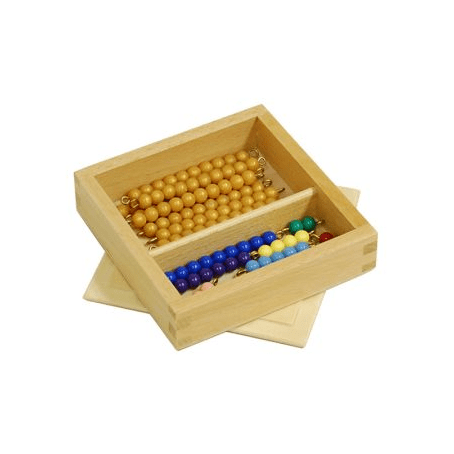
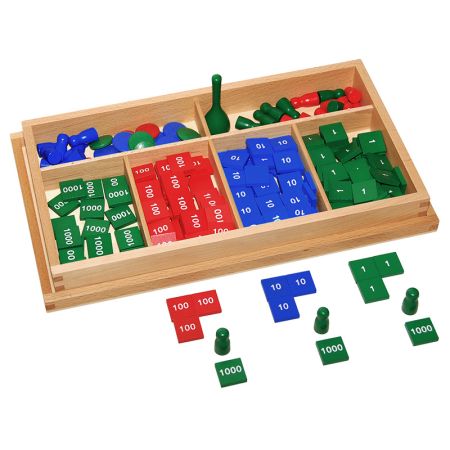
·         Stamp Game – A hands-on set of small tiles or stamps representing units, tens, hundreds, and thousands. Students physically move these pieces while solving division problems.

·         Bead Frames – Designed for practicing division with larger numbers and reinforcing place value understanding.

·         Division Boards – Color-coded boards with beads that visually represent equal distribution, making the concept of dividing numbers tangible.

These tools simplify complex steps, reduce frustration, and help students internalize how division works, rather than memorizing a procedure they don’t fully understand.

Benefits of Using Montessori Long Division Materials

  1. Concrete Understanding – Children physically manipulate the objects, making abstract concepts accessible.
  2. Confidence Building – With clear steps laid out, students feel empowered to solve problems independently.
  3. Error Control – The self-correcting nature of the materials allows learners to identify and fix mistakes without constant teacher intervention.
  4. Long-Term Retention – Instead of forgetting rules and formulas, children develop a strong foundation that supports future math learning.
  5. Encourages Patience and Focus – Breaking down division into manageable steps encourages persistence and concentration.

Practical Application in Classrooms and Homes

One of the strengths of Montessori education is its adaptability. These materials can be integrated into classrooms with many students or used at home for individualized learning. Teachers and parents can introduce long division step by step, ensuring the child feels supported at every stage.

For example, a child might first explore division with simple bead exercises, distributing beads evenly among groups. Once comfortable, they can progress to using the stamp game, working through multi-digit division problems. Eventually, the abstract division algorithm makes sense because the child has already experienced it in a hands-on format.

Why Montessori Materials Stand Out

Unlike traditional worksheets, these tools make math interactive. Children are not passive recipients of information; instead, they become active participants in problem-solving. The tactile and visual aspects of long division materials help bridge the gap between understanding and application. This prepares students not only for advanced math but also for real-life problem-solving situations where logic and reasoning are crucial.

FAQs about Montessori Long Division Materials

Q1: At What Age Can Children Start Using Long Division Materials?

Most children begin exploring division concepts around ages 8–10, depending on their readiness. Montessori encourages introducing concepts based on a child’s developmental stage rather than a strict age requirement.

Q2: Do These Materials Replace Traditional Math Instruction?

Not entirely. They are meant to complement learning by providing a strong foundation. Once children grasp the process through hands-on tools, they transition to traditional algorithms and written work.

Q3: Can Parents Use These Materials At Home Without Prior Montessori Training?

Yes. Many resources come with guides or instructions. Parents can learn alongside their children, making the experience collaborative.

Q4: How Do Montessori Materials Handle Large Numbers In Division?

Tools like the bead frame and stamp game allow children to work with thousands, reinforcing place value while practicing division with larger numbers.

Q5: Are These Materials Suitable For Children Struggling With Math Anxiety?

Absolutely. Because they make learning visual and interactive, they reduce stress and help children feel more confident about tackling complex problems.

Final Thoughts

Mathematics doesn’t have to be intimidating. With the right tools, children can discover that even complex concepts like long division are within their reach. Montessori Long Division Materials transform learning into an engaging, hands-on experience that fosters independence, confidence, and a love for numbers. Whether in classrooms or at home, these resources support children in building a strong foundation that will serve them well in their academic journey and beyond.

Resource: https://kidadvancemontessori.blogspot.com/2025/09/Mastering-Math-with-Montessori-Long-Division-Materials.html

Enhancing Learning Environments with the Right Montessori Classroom Materials

Creating a dynamic and supportive environment is essential for early childhood education. Children thrive when their surroundings encourage independence, curiosity, and hands-on exploration. In Montessori classrooms, the design and tools available play a critical role in shaping how young learners engage with the world. Teachers who adopt this method understand that every detail, from the layout of the room to the smallest object, influences a child’s development.

Importance Of  Montessori Classroom Materials

When we talk about Montessori education, the focus is often on self-directed learning and individualized instruction. However, none of this would be possible without carefully designed Montessori Classroom Materials – Kid Advance. These tools are more than just educational resources; they are the bridge between abstract concepts and tangible understanding. By interacting with these materials, children practice problem-solving, fine motor skills, and abstract reasoning in a way that feels natural rather than forced.

How These Materials Support Child Development

Montessori tools are structured to meet a child at their current level of understanding. For instance, a simple set of blocks can teach counting, sequencing, and even geometry, depending on how they are used. Because of their design, these resources encourage repetition, which strengthens memory and builds mastery. Unlike traditional worksheets, children engage with objects that allow them to visualize and manipulate ideas, giving them a deeper sense of confidence and accomplishment.

Practical Life Materials

One of the most important categories in Montessori education is practical life materials. These include objects that mirror real-life activities, such as pouring water, buttoning clothes, or cleaning a table. Children practice these skills not only to gain independence but also to develop coordination and focus. When learners see that their actions have meaningful outcomes, they begin to value responsibility and take pride in their achievements.

Sensorial Learning Tools

The sensory development of a child is a foundation for advanced learning. Montessori sensorial tools help refine the five senses, making it easier for children to recognize patterns and differences in their environment. Materials such as color tablets, sound cylinders, and textured boards allow learners to distinguish variations and sharpen perception. This type of structured sensory training prepares children for later abstract concepts in math, reading, and science.

Language Development Resources

Language learning in Montessori settings is interactive and layered. Children are introduced to sounds, symbols, and letters through tactile materials like sandpaper letters and moveable alphabets. These resources help learners link phonetics with physical movement, making reading and writing less intimidating. Step by step, they build from sounds to words and from words to sentences, creating a strong foundation for literacy.

Mathematical Foundations

Mathematics in Montessori education moves from concrete to abstract. Tools such as number rods, bead chains, and golden beads allow children to physically manipulate quantities before moving into symbolic operations. This progression ensures they understand the “why” behind numbers rather than just memorizing formulas. By interacting with tangible resources, children develop a genuine love for solving problems.

Science And Cultural Exploration

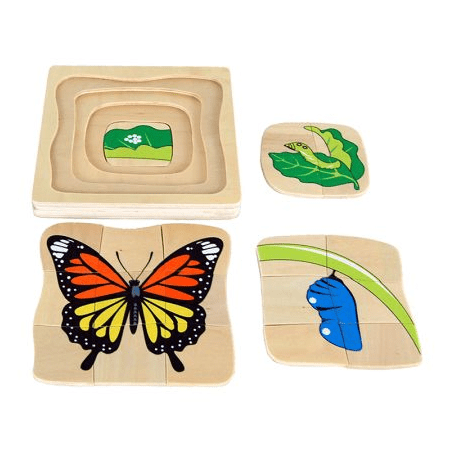
Montessori classrooms also emphasize cultural studies and science exploration. Materials like globes, puzzle maps, and life cycle charts give children a sense of the world beyond their immediate surroundings. These tools not only foster curiosity but also teach respect for diversity, nature, and global communities. Science kits and observation materials encourage learners to question, hypothesize, and test ideas—nurturing a spirit of discovery.

Why Quality Matters

Not all educational resources are created equal. High-quality Montessori tools are crafted with precision and purpose. Poorly made items can disrupt learning or frustrate children. Durable and accurate materials support long-term use and ensure consistency in education. Teachers and parents should prioritize authenticity when selecting these resources to preserve the integrity of the method.

Incorporating Materials At Home

Parents interested in supporting Montessori learning can adapt many of these ideas at home. Simple household activities, when approached with intention, can act as practical life exercises. Reading together, cooking, and sorting objects can all be transformed into meaningful lessons. While specialized classroom resources are valuable, the philosophy can extend beyond school walls, fostering lifelong curiosity.

FAQs about Montessori Classroom Materials

Q1: Are Montessori Materials Suitable For All Age Groups?

Yes, materials are designed for different developmental stages, from toddlers to elementary levels. Each tool grows with the child, offering new challenges as they advance.

Q2: Do These Materials Replace The Role Of A Teacher?

No, the teacher remains essential. Montessori instructors act as guides, observing how children use materials and offering direction when needed.

Q3: Can Parents Purchase Authentic Montessori Tools For Home Use?

Absolutely. Many suppliers provide high-quality options for families. Parents can also integrate everyday objects into learning activities while following Montessori principles.

Q4: Why Are Montessori Materials Often Made Of Wood Rather Than Plastic?

Wood is chosen for its durability, sensory appeal, and natural feel. It provides weight and texture that support tactile learning.

Q5: Are These Tools Expensive?

Some materials can be an investment, but their durability and educational value often make them cost-effective in the long term. Additionally, parents and teachers can create DIY alternatives for certain activities.

Conclusion

The foundation of Montessori education lies in purposeful, hands-on learning. Carefully designed materials provide children with the freedom to explore concepts at their own pace while developing independence, confidence, and problem-solving abilities. Whether in the classroom or at home, these tools unlock a love of learning that lasts a lifetime.

Resource: https://kidadvancemontessori.blogspot.com/2025/09/Enhancing-Learning-Environments-with-the-Right-Montessori-Classroom-Materials.html

Buy Montessori Materials for Home to Support Your Child’s Development

A conducive and correct environment is imperative for your child’s learning. As a result, the Montessori schools have the necessary setup to train young kids according to Montessori standards. However, your child’s learning cannot be complete if you do not give them adequate support from home. Parents and caregivers in the family must ensure that the child practices and revises their school learning at home to get a better grasp on their studies.  Hence, the parents must foster an environment at home conducive to learning.

Design Your Home

Just as you design and decorate the other parts of your home, you must decorate and plan the space where your child will study. When you set and prepare to teach a child at the Montessori education level, you must understand that teaching such young children can be challenging. You need an effective space design to support your child’s learning. Top-grade Montessori Materials for Home from brands like Kid Advance Montessori can help parents create some of the best spaces conducive to learning.

Massive Variety

Montessori Materials for Home is a broad-based spectrum that includes several items in its domain. Educational toys, instructive elements, and furniture for children are some common elements that fall in this category. Parents can buy these toys instruments, and furniture pieces to help train and teach their children and keep them comfortable while studying. The furniture pieces help the child sit in the correct posture while learning. Children can concentrate better on their studies, and they get used to the pattern of sitting in the classroom as they must do in their Montessori schools.

Go Online

If parents are unsure where to purchase these items, it’s a great time to explore reputable online stores. These platforms offer a wide selection of products and ensure high quality, giving buyers confidence in their purchases. Shoppers can review detailed product descriptions and customer feedback to make well-informed and thoughtful buying decisions.

Remember Child Age

One of the main aspects that you must consider while buying these items is the child’s age for whom you are purchasing the instruments for. By visiting each online store, you’ll see that many of the items have been displayed by age groups for which the instruments are most ideal for. Simply navigate to the section that corresponds with your child’s age and explore the available instruments and equipment. Feel free to select multiple items based on your preferences and needs.

Attractive Discounts

Many top online stores are renowned for offering attractive discounts and special deals to their customers. Shopping during these promotional periods allows you to purchase high-quality items at very affordable prices. These products are not only ideal for your own child, but also make excellent gifts for others. Additionally, these online stores often have a global shipping network, ensuring convenient delivery wherever you are.

Resource: https://kidadvance.com/blog/buy-montessori-materials-for-home-to-support-your-childs-development

Encourage Your Child to Grow with the Best Quality Montessori Materials

Children are active learners. From one year to around five years, children learn better when they get objects and items in their hands to feel, maneuver, study, and play with. The stage where children go to a school before getting an admission to a formal school is the Montessori Stage. Montessori schools are a separate education level, where children as young as two years old are given training in education basics like names of colors, shapes, animals, birds, fruits, vegetables, objects around us, etc.

Materials For Instruction

Instructing and teaching children is often a tough job. Teachers of all levels will vouch teaching young kids is far more challenging than teaching older kids in junior or middle school. The instructing materials used for the job are vital for optimal results. The instruments crucial for training children at the Montessori level are the – Montessori Materials. For people unaware of the fact, these materials, which are necessary for teaching young toddlers will include educational toys, illustrative items, furniture pieces, classroom packages, etc. These materials can play a vital role in developing your child’s interest in learning and help them grasp and retain information better.

Develop With Prudence

The Montessori Materials are items that can look very simple. However, the effects they can have on your child’s psyche will be profound. Many of these educational items are the fruit of careful consideration of a child’s psyche and the best ways to involve the child in effective learning. Some Montessori items are traditional and have been in trend for a long time. However, you can find many new-age educational instruments that are recent in their designs, and the designers have come up with improved models after analyzing the needs and the requirements of children.

Learning At All Ages

Children develop fast during their initial four to five years. The growth is prominent physically and intellectually. Hence, the same learning instruments will not be helpful for children two years old and the ones who are three or four years old. The Montessori item manufacturers develop diverse items for children of varying age groups. Learning at different age stages are vastly different, yet intricately interconnected.

More Than Bookish Knowledge

Best-grade Montessori instruments can help your child gain more than bookish and academic knowledge. Your child can learn the names of living beings, inanimate objects, places around us, etc., from these instruments; however, this equipment can additionally help improve other attributes in your child, like their motor skills, recognizing ability, concentration power, speech progress, and much more. Parents nurturing children at the Montessori stage must remember that this additional trait is as significant as or probably more crucial than your child mugging up names and other relevant information.

Optimal Safety

Top-rated Montessori item manufacturers pay close attention to their product quality. These manufacturers ensure their products are effective and optimally safe for young kids. As a result, these manufacturers use the best quality raw materials, manufacturing standards, best designs, and other attributes that will keep the children safe when they use the materials.

Resource: https://kidadvance.com/blog/encourage-your-child-to-grow-with-the-best-quality-montessori-materials

Take Your Child into the Exciting World of Knowledge with the Best Montessori Materials

Education and knowledge are imperative to develop your child into a mindful and skilled person. Nothing in this world is more satisfying then seeing your child bloom into a confident adult with great knowledge. Hence, teaching any child begins at an early age with Montessori education. Introducing your child to different phases of learning is one of the most exciting experiences to go through. Now, you can embark upon this adventurous and rewarding journey with your child by utilizing best-grade Montessori materials.

Know the Instructing Tools

The props and tools teachers and parents use to instruct young kids at the Montessori standards are known as Montessori Materials. These are simple-looking, but highly effective props that help a teacher, caregiver, and parent familiarize young minds with diverse information sets and help young kids gather facts and data.

Help Your Child Learn and Thrive

While teaching your child or student at such a young age, you must remember that all the learning at this tender age must help the child thrive and not get burdened under pressure. Premium grade Montessori Materials from Kid Advance Montessori are intelligent, yet simple learning tools that have a bright and cheerful design. These engaging resources make learning feel like play, turning study time into an enjoyable, extended game for your child.

Spent Quality Time with Kids

Since our Montessori materials have a bright and playful look, children often think of them as engaging and entertaining fun items rather than things that help them learn. You can get several materials that come in sets and can be excellent play items for your child. Fathers, mothers and family caregivers can now enjoy quality time with their kids and see them grow in the process. Your child can also use these items to enjoy with children of their own age and improve their intrapersonal and peer skills.

Support School Education At Home

The lessons and instruction your child receives at school are just one part of their learning journey. From an early age, parents and caregivers should encourage children to dedicate some time each evening to studying. This habit not only keeps your child engaged, but also helps them build a foundation for future learning. To support this, parents can invest in Montessori learning tools to create a productive and enriching learning environment at home.

Make Brilliant Gifts

When it comes to choosing a gift for a young child, it can be tough to come up with the perfect idea. This is where high-quality Montessori educational tools come in, offering a way for kids to learn, play, and grow over time. You don’t need to wait for special occasions to give these items to the children in your family or friend circle. Whether it’s a thoughtful relative or a caring friend, anyone can gift these valuable learning tools at any time, with or without a particular reason.

Resource: https://kidadvance.com/blog/take-your-child-into-the-exciting-world-of-knowledge-with-the-best-montessori-materials

Nurturing Green Minds: Unlocking Nature’s Secrets with Montessori Botany Materials

Understanding the natural world is an essential part of early childhood development. Introducing children to the wonders of plants and nature not only nurtures curiosity but also lays the foundation for lifelong environmental awareness. In Montessori education, science is approached with hands-on learning tools that allow children to explore and connect with real-world elements — especially when it comes to botany.

Montessori classrooms provide a unique opportunity for children to engage with natural sciences in a tangible and age-appropriate way. Botany, in particular, is taught through exploration, observation, and interaction with nature. This fosters independence, critical thinking, and an appreciation for the living world around them.

Why Montessori Botany Materials Matter in Early Learning

Kid Advance – Montessori Botany Materials are carefully designed tools that help children understand plant life cycles, parts of a plant, types of leaves, and more. These materials follow the Montessori philosophy — learning through discovery and interaction.

In a Montessori environment, children are encouraged to observe live plants, care for classroom greenery, and use tactile tools like wooden puzzles, botany cards, and labeled charts. This combination of practical experience and visual aids makes abstract concepts concrete, which is key in early education.

For example, instead of just reading about a flower, children might take apart a wooden puzzle that reveals the roots, stem, leaves, and petals. This physical interaction deepens their understanding and retention of knowledge.

Building a Foundation for Scientific Thinking

One of the hallmarks of Montessori education is its ability to cultivate scientific minds from a young age. Montessori Botany Materials support this by encouraging:

  • Observation: Children learn to slow down and notice small details, such as the symmetry of a leaf or how a flower blooms.
  • Classification: Materials often include sorting cards or charts that allow children to group plants by characteristics, fostering categorization and pattern recognition.
  • Language Development: Using correct botanical terms helps children expand their vocabulary and gain confidence in using scientific language.
  • Care for the Environment: Tending to plants instills a sense of responsibility and teaches children the value of nature and life cycles.

Botany Activities that Engage and Inspire

Here are some common botany activities found in a Montessori classroom:

  • Leaf Cabinet and Insets: Children use insets to trace different leaf shapes, enhancing both their fine motor skills and botanical understanding.
  • Parts of a Flower Puzzle: A hands-on puzzle that allows children to physically explore the anatomy of a flower.
  • Three-Part Cards: Used for matching pictures, names, and descriptions of plants, helping to reinforce memory and language.
  • Gardening Projects: Planting seeds, watering, and observing plant growth connects classroom learning with real-world experiences.

These activities align with Montessori’s belief in learning by doing, making each lesson memorable and meaningful.

Integrating Nature into Everyday Learning

Montessori educators strive to make botany a part of the child’s everyday life, not just a subject on the shelf. Children are often encouraged to bring leaves or flowers from home to study, go on nature walks, or help maintain class gardens.

By blending academic knowledge with physical engagement, children learn not just what a plant is — but what it needs to thrive, how it changes over time, and why it matters.

Benefits beyond the Classroom

The use of Montessori-based botany tools does more than just teach children about plants. It nurtures emotional, social, and cognitive development:

  • Empathy and Patience: Caring for living things teaches children to be gentle and patient.
  • Concentration: Repetitive and hands-on nature-based activities improve attention span.
  • Problem-Solving: Observing a wilting plant and figuring out what it needs engages critical thinking.

These life skills are crucial not only in education but in becoming thoughtful, responsible individuals.

Choosing the Right Botany Materials

When selecting learning tools, it’s important to ensure they are age-appropriate, durable, and aligned with Montessori principles. High-quality materials should be:

  • Realistic and scientifically accurate
  • Made from natural, safe materials
  • Aesthetically pleasing and tactile

Whether for a classroom or a homeschooling setup, the right materials can transform learning into an adventure.

FAQs

Q1: What age group is suitable for Montessori Botany Materials?


A: These materials are typically suitable for children aged 3 to 6, although older children can also benefit depending on the complexity of the activity.

Q2: Can Montessori botany activities be done at home?


A: Absolutely. Many Montessori-inspired botany activities like leaf classification, plant care, and seed planting can easily be integrated into a home learning environment.

Q3: Are real plants necessary when using Montessori botany tools?


A: While not mandatory, real plants enhance the learning experience by providing a living example of the concepts being taught. Combining tools with live plants is ideal.

Q4: How do Montessori botany materials differ from traditional science tools?


A: Montessori tools are more tactile and self-correcting, encouraging independent discovery rather than rote memorization.

Q5: How often should botany lessons be introduced to children?


A: In a Montessori setting, botany is integrated regularly into daily lessons and routines, often led by the child’s interest and seasonal opportunities.

Final Thoughts

By bringing nature into the classroom and making it a part of daily learning, Montessori education helps children develop a strong connection to the environment. With the help of Montessori Botany Materials, young learners gain hands-on experiences that ignite curiosity and lay the groundwork for scientific thinking.

This approach doesn’t just teach children about plants — it inspires them to care for the world around them.

Resource: https://kidadvancemontessori.blogspot.com/2025/08/Nurturing-Green-Minds-Unlocking-Natures-Secrets-with-Montessori-Botany-Materials.html

Design a site like this with WordPress.com
Get started