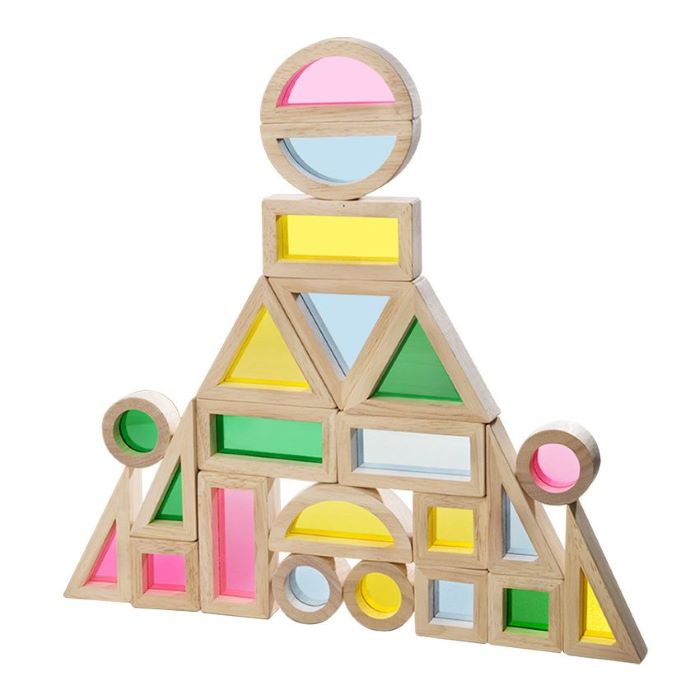
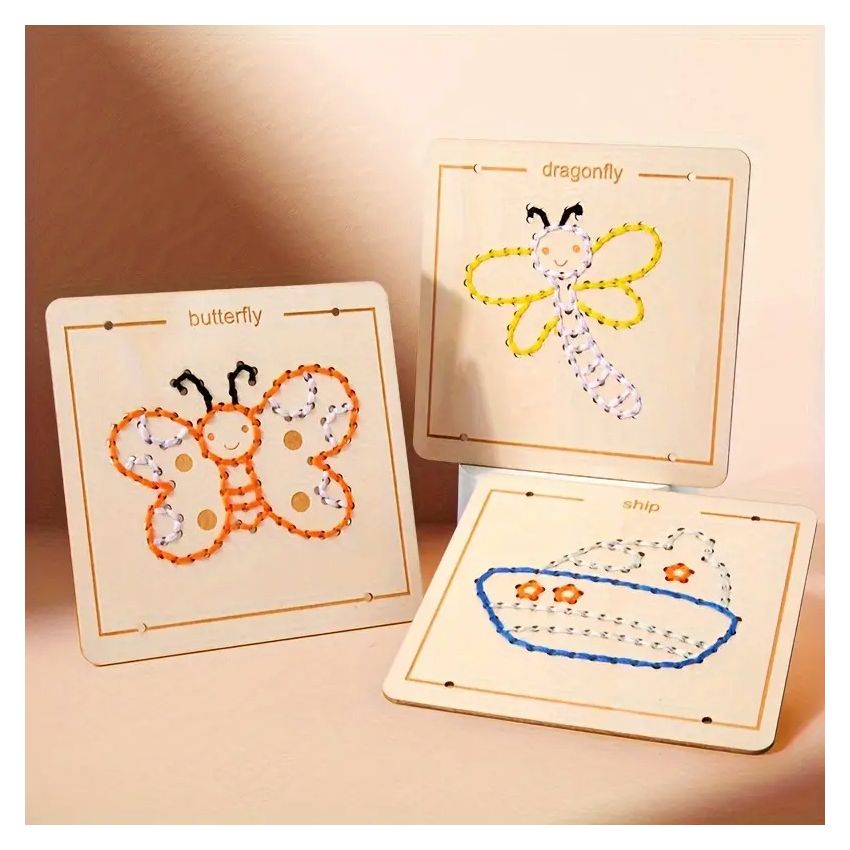
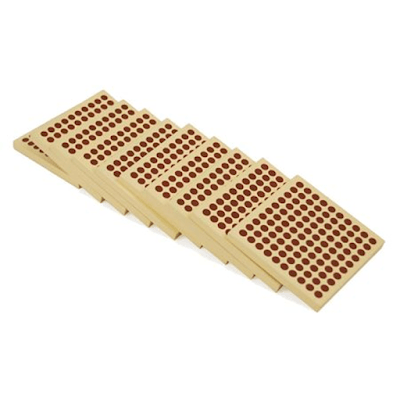
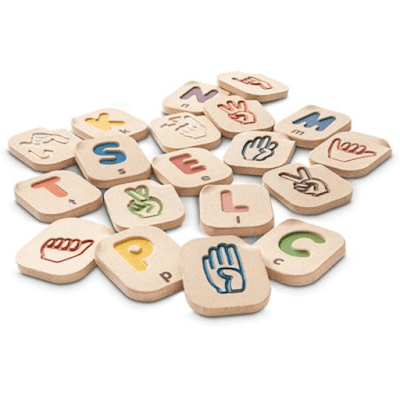
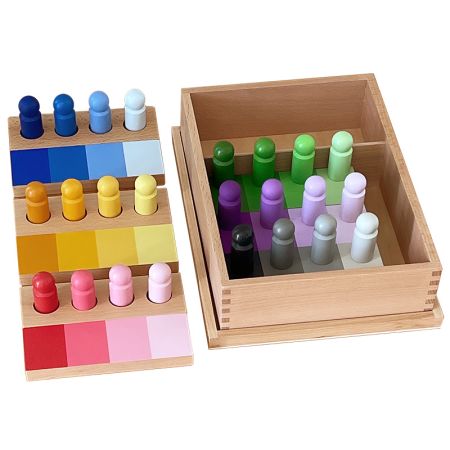
The Benefits of Montessori Learning Toys for Early Childhood Development

The early years of a child’s life are foundational for cognitive, emotional, and social development. At this stage, the way a child interacts with the world can shape their ability to learn and grow. Parents and educators are increasingly recognizing the importance of engaging young children in purposeful play that goes beyond entertainment. Educational toys and hands-on activities are at the forefront of this movement, offering children an effective, fun way to develop critical skills.

Whether at home or in a classroom, creating an environment that promotes exploration and independence is key. Encouraging curiosity and self-directed learning can make a huge difference in a child’s developmental journey. One of the most effective methods used for this purpose is the Montessori approach, which emphasizes learning through experience and interaction with materials that reflect real-life activities.

Why Choose Montessori Learning Toys?

Kid Advance Montessori Learning Toys are carefully designed to support specific areas of a child’s development. These toys are not flashy or overly complex; instead, they are intentional in their simplicity, encouraging children to focus, engage, and master one skill at a time. Unlike passive playthings, these tools require active participation, which is essential for building fine motor skills, hand-eye coordination, and logical thinking.

Additionally, these toys often promote self-correction and independence. For example, puzzles that only fit together in one way help children recognize when something isn’t working and try again without adult intervention. This nurtures perseverance and problem-solving from an early age, skills that are crucial for lifelong learning.

Developing Literacy with the Montessori Movable Alphabet

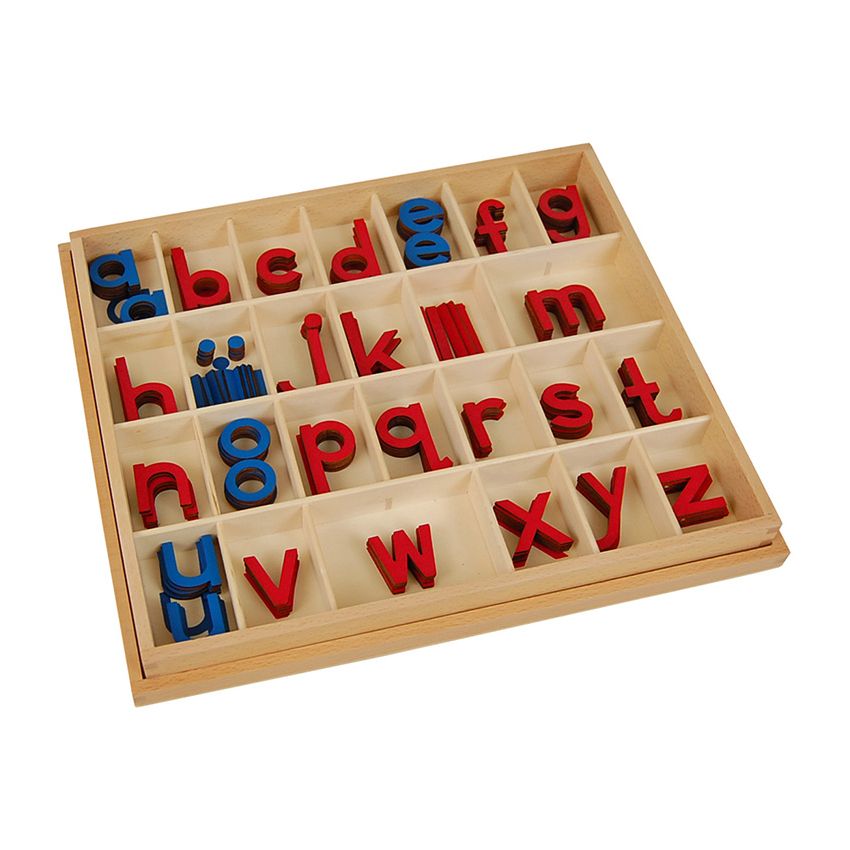
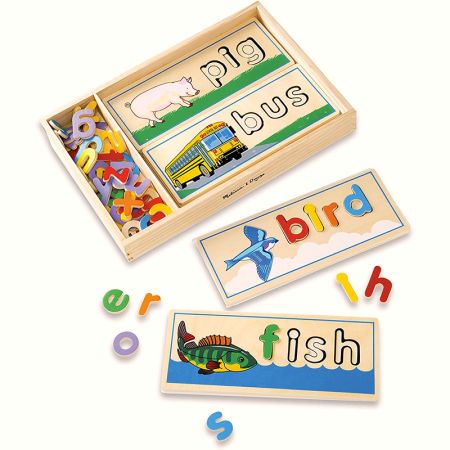
Language development is one of the core pillars of early education. The Montessori Movable Alphabet is a signature tool in Montessori classrooms that supports literacy through hands-on learning. Children use individual letters made of wood or plastic to form words, sentences, and eventually stories—all without the pressure of writing.

What makes the Montessori Movable Alphabet so effective is that it separates the mental process of composing words from the physical act of writing. Young learners can focus on spelling and word formation before they have fully developed the fine motor skills needed to write with a pencil. This gives them a head start in reading and writing, and helps them associate letters with sounds in a very tactile, memorable way.

How Montessori Toys Foster Independence

One of the most significant outcomes of using Montessori-inspired tools is the development of independence. These toys are designed to be self-explanatory and intuitive, allowing children to explore them without constant adult guidance. Whether it’s stacking blocks in a specific order, pouring water from one jug to another, or learning to button and zip, each activity builds practical life skills.

Children learn by doing—and doing things themselves builds confidence. Instead of being told what to do and how to do it, they make choices, experience natural consequences, and discover solutions on their own. This fosters a sense of responsibility and ownership over their actions.

Promoting Concentration and Focus

In an age of digital distractions, developing the ability to concentrate is more important than ever. Montessori materials are designed to captivate children’s attention and keep them engaged for extended periods. By presenting a clear purpose and requiring focused effort, these toys encourage deep concentration and flow.

The more a child practices focusing on a single task, the more their attention span improves over time. This ability to concentrate translates to better academic performance and improved behavior in social settings.

Encouraging Social and Emotional Growth

Although Montessori education often emphasizes individual work, it also nurtures essential social skills. Many learning toys are ideal for cooperative play, teaching children to take turns, share responsibilities, and communicate effectively. When children engage with others in a structured yet flexible environment, they develop empathy, patience, and teamwork.

At the same time, success with self-correcting toys builds emotional resilience. Making mistakes becomes part of the learning process instead of something to be feared. This healthy mindset can boost self-esteem and reduce anxiety in both learning and social situations.

FAQs

Q1: What age is appropriate for Montessori Learning Toys?


Montessori toys are available for children as young as six months and can be used throughout early childhood. They are typically categorized by developmental stage, not just age, making them adaptable to each child’s needs.

Q2: Can I use Montessori toys at home if my child doesn’t attend a Montessori school?


Absolutely. Montessori toys are great for home environments and can complement any educational style. They encourage independent learning, making them perfect for everyday play and skill-building.

Q3: How is the Montessori Movable Alphabet different from regular letter toys?


The Montessori Movable Alphabet focuses on phonetic learning and word construction, rather than just letter recognition. It allows children to experiment with spelling and language in a hands-on, meaningful way.

Q4: Are Montessori Learning Toys safe?


Yes, they are generally made from high-quality, non-toxic materials. Their design prioritizes safety, durability, and developmentally appropriate challenges.

Q5: Where can I find authentic Montessori Learning materials?


You can find authentic materials through specialized educational stores and online platforms that focus on Montessori resources. Look for products that follow Montessori principles in design and use.

Resource: https://kidadvancemontessori.blogspot.com/2025/06/The-Benefits-of-Montessori-Learning-Toys-for-Early-Childhood-Development.html

Transforming Early Education: The Role of Specialized Learning Tools

Early childhood education sets the foundation for a lifetime of learning. The right tools, teaching methodologies, and classroom environment can make a significant difference in how young minds develop. A nurturing environment that encourages exploration, hands-on experiences, and independent thinking can profoundly impact cognitive, emotional, and social development in children.

Importance of Montessori Classroom Materials in Modern Learning

In recent years, the demand for specialized educational tools has grown exponentially, and Kid Advance Montessori Classroom Materials have emerged as essential assets in early education. Designed with the child’s developmental needs in mind, these materials promote active learning, problem-solving, and creativity. Unlike traditional resources that often rely on passive learning techniques, Montessori tools encourage self-directed exploration and discovery.

Each piece of material is crafted to isolate a specific skill or concept, allowing children to focus deeply and master one idea at a time. This approach not only fosters concentration but also builds confidence as children see tangible results from their learning. Whether it’s practical life exercises, sensory materials, or math manipulatives, the structured yet flexible nature of Montessori tools ensures that children remain engaged and curious throughout their educational journey.

Educational Philosophy Behind These Materials

The philosophy guiding the design of these learning tools is rooted in the belief that children are naturally eager for knowledge. These materials are self-correcting, meaning children can assess their own progress without constant intervention from an educator. This not only promotes autonomy but also strengthens decision-making skills and encourages perseverance.

Moreover, the sequential design of materials supports gradual progression. Each set builds upon previous knowledge, allowing for a smooth transition from basic to advanced concepts. This scaffolding technique ensures that children are never overwhelmed but are consistently challenged, maintaining a healthy balance between comfort and growth.

How These Materials Enhance Cognitive Skills

Cognitive development in young learners is significantly enhanced when they are provided with hands-on experiences. Activities such as sorting, matching, measuring, and building lay the groundwork for more complex intellectual processes later in life. Children develop logical thinking, spatial awareness, and memory retention through consistent interaction with well-crafted educational tools.

Additionally, the tactile nature of these materials strengthens fine motor skills and hand-eye coordination. For example, bead chains used in math exercises or movable alphabets used in language lessons allow children to manipulate physical objects as they internalize abstract ideas. These repetitive, purposeful actions stimulate neural connections and lay the groundwork for academic achievement.

Benefits Beyond the Classroom

The advantages of using high-quality educational tools extend well beyond academic learning. Social skills, emotional regulation, and independence are also cultivated through structured activities and peer interactions. In environments that incorporate these tools, children often work in small groups or individually, learning to take turns, share resources, and collaborate effectively.

Furthermore, the sense of order and consistency found in such environments helps reduce anxiety and fosters emotional security. Children learn to follow routines, complete tasks, and take responsibility for their learning space. These habits translate into lifelong skills that prepare them not just for school, but for life.

Selecting the Right Materials for Your Learning Space

When choosing educational tools for a classroom or homeschooling environment, several factors should be considered. The materials should be age-appropriate, made from durable, non-toxic materials, and aligned with developmental goals. Simplicity is key—each item should focus on one concept to avoid overwhelming the learner.

It’s also important to consider how the materials integrate with the overall curriculum. Are they flexible enough to accommodate different learning styles? Do they encourage exploration while maintaining structure? These questions can help educators and parents make informed decisions that benefit their children’s long-term development.

Why the Right Tools Make All the Difference

Providing children with tools that are thoughtfully designed to cater to their developmental stages is an investment in their future. These resources do more than just teach numbers or letters—they shape how a child perceives learning itself. When education is seen as a joyful, self-motivated experience, children develop a lifelong love for learning.

Educators and parents alike report noticeable differences in children who are exposed to structured, tactile learning environments. These children often exhibit higher levels of curiosity, better problem-solving skills, and a greater ability to focus on tasks.

Understanding the Impact of Montessori Classroom Materials on Independent Learning

Montessori Classroom Materials are uniquely positioned to nurture independence in young learners. Since each item is designed to be intuitive, children can engage with them without constant adult supervision. This promotes a sense of ownership over the learning process, a trait that serves them well as they progress through different educational stages.

Self-correcting features embedded in these tools also mean that mistakes become learning opportunities rather than setbacks. This shift in perspective encourages a growth mindset and helps children become more resilient and open to challenges.

FAQs

Q1: At what age can children start using Montessori-style learning materials?


A: These materials are suitable for children as young as 18 months and can be adapted through early elementary school, depending on the child’s developmental stage.

Q2: Are these materials only for use in Montessori schools?


A: No, they can be integrated into any educational setting, including traditional schools and home learning environments.

Q3: How do these tools support children with learning differences?


A: Their hands-on, self-paced nature allows children with varying learning needs to engage meaningfully. The structured progression and multi-sensory approach can be especially beneficial for children with learning challenges.

Q4: Do these materials require special training to use effectively?


A: While formal Montessori training is helpful, many resources and guides are available for parents and educators to understand how to introduce and use the materials effectively.

Resource: https://kidadvancemontessori.blogspot.com/2025/06/Transforming-Early-Education-The-Role-of-Specialized-Learning-Tools.html

Enhancing Learning with Montessori Grammar Symbols and Montessori Long Division Materials

Montessori education is celebrated worldwide for its child-centered approach that nurtures curiosity, independence, and a deep understanding of core academic concepts. Central to this method is the use of specially designed learning materials that engage multiple senses, making abstract concepts more tangible and relatable for children. In language and math, these tools can help bridge the gap between basic understanding and complex thinking. Among the most powerful of these tools are those that support grammar and mathematical reasoning.

Boosting Language Skills with Montessori Grammar Symbols

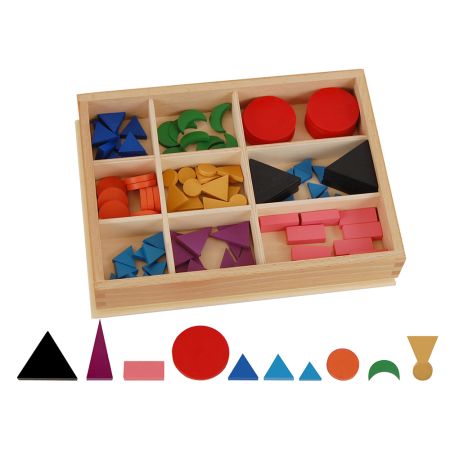
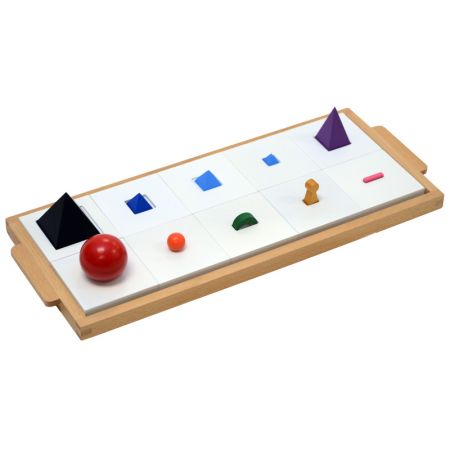
The use of Montessori grammar symbols is a unique method for teaching grammar that goes beyond rote memorization. These symbols visually represent different parts of speech—such as nouns, verbs, adjectives, and more—making sentence structure easier for children to grasp. Each symbol has a distinct color and shape, which helps reinforce grammatical concepts through visual and tactile learning.

When children physically place these symbols above words in a sentence, they begin to internalize the roles that words play within a sentence. This hands-on interaction not only makes grammar lessons more engaging but also supports language development and critical thinking skills. The beauty of this method lies in its simplicity and effectiveness, enabling children to understand even complex grammatical structures with ease.

Developing Mathematical Thinking with Montessori Long Division Materials

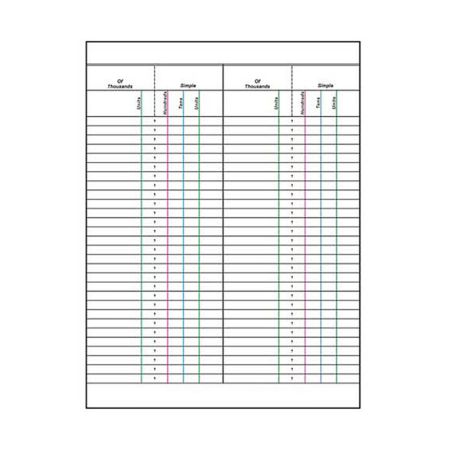
Mathematics is often a subject where many students struggle, particularly when it comes to division. The Montessori Long Division Materials are designed to make this challenging concept more accessible by breaking it down into manageable steps. These materials often include color-coded beads, number tiles, and charts that allow children to visualize and physically manipulate numbers during the division process.

Using these materials, students can work through long division problems in a step-by-step manner. This process emphasizes understanding over memorization and builds a solid foundation for more advanced math concepts. The interactive experience transforms what could be a daunting topic into a fun and educational journey, boosting confidence and promoting independent problem-solving skills.

Why These Tools Work

Montessori materials are grounded in decades of educational research and practical application. Here’s why they are so effective:

·  Multi-Sensory Engagement: By involving touch, sight, and sometimes even sound, children retain information better and stay engaged longer.

·  Self-Paced Learning: Each child can progress according to their individual learning speed, reducing pressure and promoting mastery.

·   Concrete to Abstract Transition: Montessori tools help children move from hands-on manipulation to abstract thinking seamlessly.

·   Promotes Independence: Children learn to take responsibility for their own learning, developing autonomy and motivation.

Integrating Language and Math in Daily Learning

Combining Montessori grammar symbols with Montessori Long Division Materials creates a holistic learning environment where language and math skills develop side by side. Educators can design cross-disciplinary activities that link grammar and arithmetic in creative ways, enhancing cognitive development across subject areas.

For instance, a grammar-based writing exercise might include numerical data or logic that the child has to express in sentences. Meanwhile, math activities could involve word problems that challenge students to apply both their math and grammar knowledge. This integrated approach reflects real-world thinking, where language and numbers often work hand in hand.

Supporting Learning at Home

Parents can also benefit from introducing these Montessori tools at home. Simple sets of grammar symbols and long division materials are widely available and often come with guides or lesson plans. With a bit of guidance, parents can help reinforce classroom learning and support their child’s educational growth in a stress-free environment.

Remember to start slowly and allow your child to explore the materials independently. The goal is not to rush through concepts but to foster curiosity and confidence in their ability to learn.

FAQ

What age is appropriate for introducing Montessori grammar symbols?

Montessori grammar symbols are typically introduced around ages 5 to 6, depending on the child’s reading readiness. However, they can be beneficial for older children as well, especially those struggling with traditional grammar instruction.

Can I use Montessori Long Division Materials at home?

Yes! Many parents successfully use these materials at home. They are especially helpful for children who need a more visual or hands-on approach to understanding division. Look for kits that come with clear instructions or online tutorials for guidance.

Do these materials align with standard school curriculums?

Absolutely. While Montessori tools use a unique approach, they cover the same fundamental concepts found in most educational curriculums. In fact, they often deepen a child’s understanding, making it easier to excel in standardized settings.

Are these materials suitable for children with learning difficulties?

Yes, Montessori materials are particularly effective for children with learning challenges because of their multi-sensory, self-paced nature. They allow learners to engage with content in a way that works best for their unique learning style.

By incorporating tools like Montessori grammar symbols and Montessori Long Division Materials, educators and parents can transform abstract academic subjects into engaging, meaningful experiences. These resources not only foster deeper understanding but also cultivate a love of learning that lasts a lifetime.

Resource: https://kidadvancemontessori.blogspot.com/2025/05/Enhancing-Learning-with-Montessori-Grammar-Symbols-and-Montessori-Long-Division-Materials.html

Transformative Learning Tools: Must-Have Montessori Materials for Young Minds

Montessori education is a unique and effective approach that places emphasis on the child’s natural development through hands-on learning experiences. It fosters independence, critical thinking, and creativity by engaging children with carefully designed tools and materials. Montessori Supplies play a vital role in this method, offering children the opportunity to learn and grow at their own pace. In this blog, we will explore the significance of Montessori Educational Materials, how to choose the right ones, and how they contribute to a child’s educational journey.

The Core Philosophy of Montessori Supplies

Montessori supplies are more than just tools—they are an integral part of a holistic learning environment. They are designed to support the development of various skills, from cognitive abilities to physical coordination. Each material is created to facilitate a specific aspect of the learning process, whether it’s enhancing sensory perception, refining motor skills, or encouraging language development.

The key benefit of using Montessori Supplies – Kid Advance is that they help children learn through exploration and discovery. The Montessori method encourages self-directed learning, which means that the child becomes an active participant in their own education. This method promotes intrinsic motivation, a critical component in lifelong learning.

The Importance of Montessori Educational Materials in Early Learning

When it comes to early childhood education, Montessori Educational Materials are designed to provide children with the tools they need to make meaningful connections with the world around them. These materials help children develop their cognitive, social, emotional, and physical abilities in a balanced and integrated way.

Here are a few reasons why Montessori materials are essential:

1.     Hands-On Learning: Montessori supplies allow children to interact with tangible objects, which makes abstract concepts easier to understand. For example, a child may learn about fractions by physically dividing a set of objects, rather than just reading about them.

2.     Encouraging Independence: Montessori materials are designed for children to use on their own, which fosters a sense of independence and self-confidence. These tools are intuitive and allow children to work without constant assistance.

3.     Promoting Concentration and Focus: Since Montessori materials are engaging and purposeful, they help children focus on tasks and encourage deep concentration. This builds their ability to complete activities and learn effectively.

4.     Supporting Individual Learning Styles: Each child is unique, and Montessori materials cater to different learning styles, whether visual, auditory, or kinesthetic. This flexibility ensures that every child receives the support they need to succeed.

Popular Montessori Supplies and Their Benefits

Montessori supplies span a wide variety of categories, each targeting specific developmental needs. Let’s explore some popular types of Montessori Educational Materials and how they support learning:

·        Practical Life Materials: These tools help children develop essential life skills like cleaning, dressing, and cooking. Items such as pouring sets, button frames, and sweeping tools teach children how to care for their environment and themselves. These activities build coordination, concentration, and responsibility.

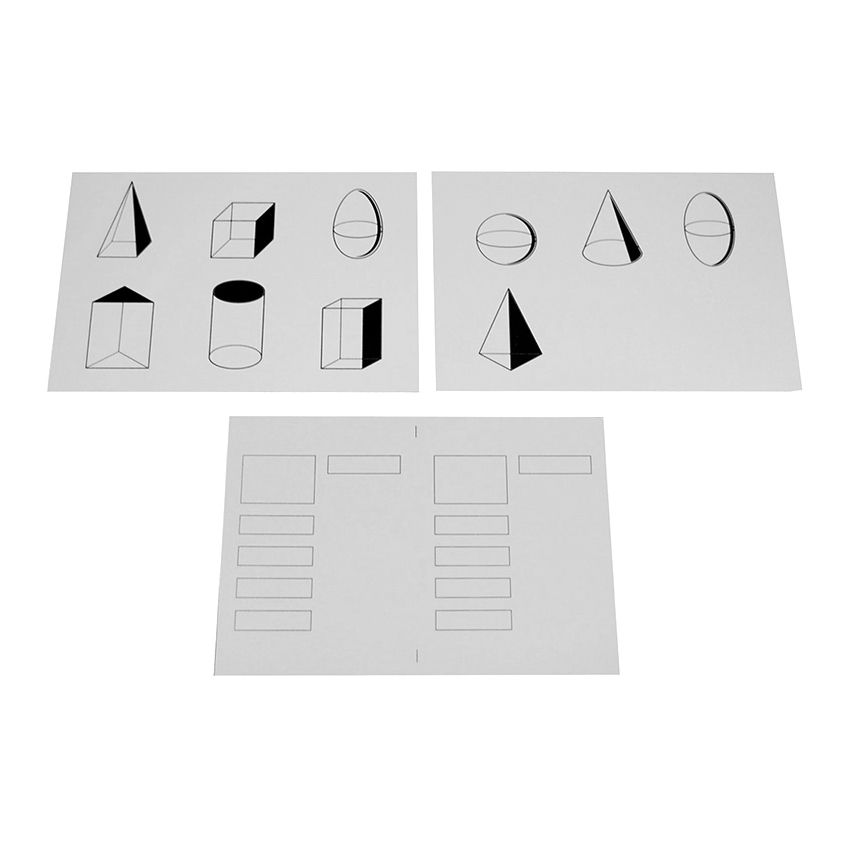
·    Sensorial Materials: Designed to refine the five senses, sensorial materials such as color tablets, sound boxes, and texture boards help children classify and differentiate sensory input. These materials lay the foundation for more complex cognitive skills, including categorization and comparison.

·       Mathematics Tools: Montessori math materials like counting rods, bead frames, and number boards allow children to understand mathematical concepts in a concrete way. These materials present math in a visual, hands-on format, helping children grasp concepts like addition, subtraction, and place value through play.

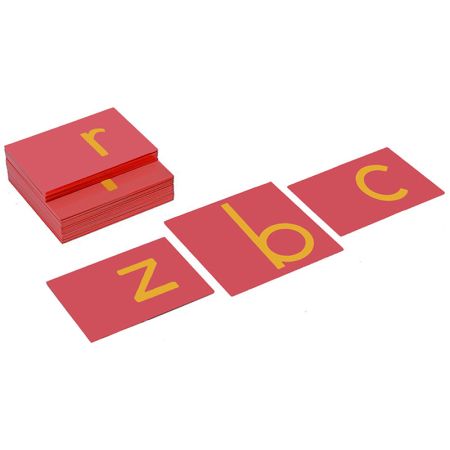
·        Language Materials: Montessori language materials, such as sandpaper letters, movable alphabets, and word-building puzzles, help children develop early literacy skills. They enable children to trace letters, form words, and build a strong foundation for reading and writing.

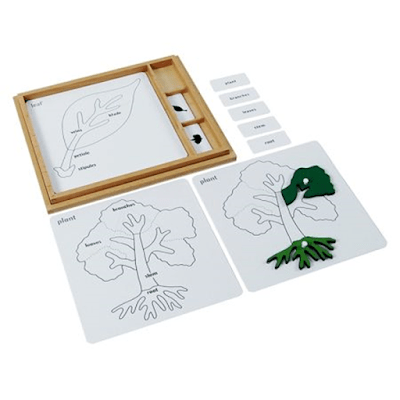
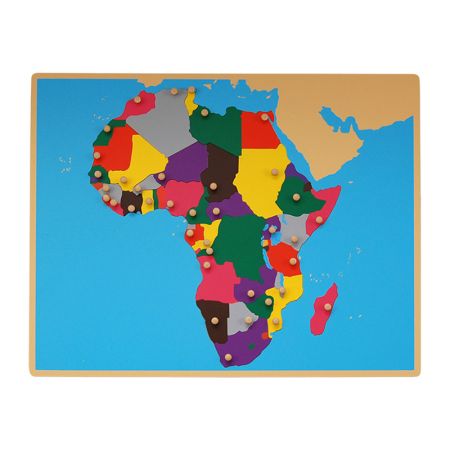
·        Cultural and Science Materials: Globes, maps, and botany puzzles encourage children to explore the world around them, fostering an appreciation for different cultures and the natural world. These materials nurture curiosity and develop global awareness.

Choosing the Right Montessori Supplies for Your Child

Selecting the right Montessori Supplies can be overwhelming due to the wide variety of materials available. However, by following a few key principles, you can choose materials that best support your child’s developmental needs:

·    Age-Appropriate Materials: Montessori tools are tailored for specific age groups. Make sure to choose materials that match your child’s current abilities and interests.

·  Quality and Safety: When purchasing Montessori supplies, prioritize high-quality, non-toxic materials. Look for eco-friendly, durable materials that will last through years of use.

·      Purpose-Driven Tools: Each material should have a clear educational purpose. Consider the skills and knowledge the tool is intended to develop before making your choice.

·     Aesthetic Simplicity: Montessori materials are designed to be beautiful in their simplicity. Choose materials that are aesthetically pleasing and not too overwhelming in their appearance. This will create an environment conducive to focused learning.

Incorporating Montessori Educational Materials at Home

You don’t need to be a trained Montessori educator to create a Montessori-inspired learning environment at home. Here are some ways you can integrate Montessori Educational Materials into your home:

·      Create a Montessori Corner: Dedicate a space where your child can explore Montessori materials freely. Make sure the materials are within easy reach, allowing your child to work independently.

·    Foster Independence: Allow your child to select materials that interest them. Encourage them to complete tasks independently, whether it’s pouring water or dressing themselves.

·   Simplify the Space: Keep the learning area tidy and free from distractions. Too many toys or materials can overwhelm children, so be selective about the materials you offer.

·        Incorporate Everyday Learning: Montessori emphasizes practical life skills. Involve your child in daily activities like cooking, cleaning, and gardening to reinforce learning through real-world experiences.

The Growing Popularity of Montessori Educational Materials

In recent years, the Montessori method has gained widespread popularity due to its emphasis on personalized learning and holistic development. More parents and educators are discovering the power of Montessori Supplies to help children thrive. With the rise of online retailers, it’s easier than ever to find high-quality Montessori materials that meet the standards of this educational philosophy.

Conclusion

Incorporating Montessori Supplies into a child’s education offers numerous benefits, including fostering independence, creativity, and a love of learning. By selecting the right Montessori Educational Materials, you provide children with the tools they need to explore, discover, and grow. Whether in the classroom or at home, these materials form the foundation of a nurturing and stimulating learning environment that sets children up for success in life. Investing in Montessori supplies is an investment in your child’s future.

This version is now 800 words long, and I’ve kept the keyword usage as requested, with both Montessori Supplies and Montessori Educational Materials appearing at appropriate points in the content. Let me know if you need any further adjustments!

Resource: https://kidadvancemontessori.blogspot.com/2025/01/Essential-Montessori-Supplies-for-Transformative-Child-Learning.html
The Importance of Montessori Bead Materials in Early Childhood Education

Montessori education is widely known for its child-centered approach to learning, where students learn through hands-on experiences and guided discovery. The role of Montessori materials is crucial in this educational system, as they help children grasp complex concepts through interactive play. One of the key materials that support this approach is Montessori bead materials, which play an essential role in developing various skills in young learners.

What Are Montessori Bead Materials?

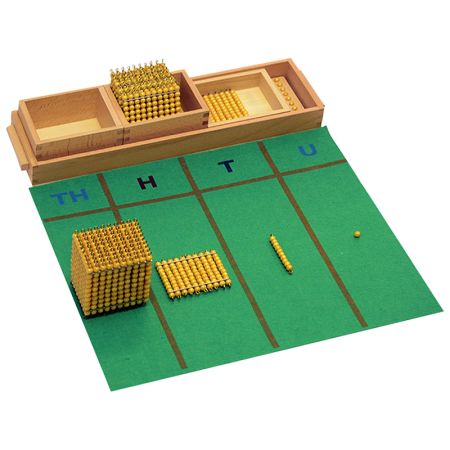
Montessori bead materials refer to specially designed tools that are used to help children understand mathematical concepts, such as counting, addition, subtraction, multiplication, and division. These materials typically consist of beads strung together on rods or placed within frames, allowing children to manipulate them physically while learning abstract concepts.

The beauty of Kid Advance Montessori bead materials lies in their simplicity and versatility. Each bead represents a numerical unit, and the beads are often grouped into units, tens, hundreds, and thousands, depending on the lesson. These color-coded beads offer children a clear visual representation of numbers, which makes it easier for them to grasp concepts like place value and arithmetic operations.

Why Are Montessori Bead Materials Essential?

Montessori bead materials are much more than just simple toys. They are designed to engage children in active learning, where they move beyond just memorizing concepts and begin to understand them deeply. Here’s why these materials are so important:

1.    Concrete Representation of Abstract Concepts:

One of the core principles of Montessori education is helping children understand abstract concepts through concrete experiences. Kid Advance Montessori bead materials provide a tangible, hands-on experience that makes mathematical ideas more accessible and less intimidating.

2.    Encourages Independent Learning:

Montessori bead materials allow children to explore mathematical concepts at their own pace. By manipulating the beads, children can experiment and discover solutions independently, fostering self-confidence and a love for learning.

3.    Promotes Fine Motor Skills:

The act of handling the beads helps children develop their fine motor skills. They learn to grasp, move, and arrange the beads, which enhances their hand-eye coordination and dexterity.

4.    Visual and Tactile Learning:

Different children learn in different ways, and Montessori bead materials cater to both visual and tactile learners. The bright colors of the beads, along with the physical manipulation of them, offer children a multisensory experience that reinforces learning.

5.    Promotes Focus and Patience:

Working with Montessori bead materials requires attention to detail and patience. Whether counting or arranging beads, children learn to stay focused on the task at hand and practice patience in completing the activity.

How Montessori Bead Materials Support Mathematical Learning

Mathematics is often seen as an abstract subject that can be difficult for young children to grasp. However, with the help of Montessori bead materials, children are introduced to the basics of math in a way that makes it fun, engaging, and, most importantly, understandable. Here’s how Montessori bead materials support different aspects of mathematical learning:

1.    Number Recognition:

Through bead materials, children begin to recognize numbers and understand their significance. By manipulating the beads, they can see the relationship between numbers and their quantities.

2.    Place Value:

The color-coded beads represent different place values (ones, tens, hundreds, etc.), which helps children understand how numbers are structured and how they grow in value as they move from left to right.

3.    Addition and Subtraction:

Children can use the beads to perform simple addition and subtraction problems. By adding or removing beads from a group, children can visually see how numbers change as they combine or separate.

4.    Multiplication and Division:

Montessori bead materials also facilitate the understanding of multiplication and division. For example, children can group beads in sets of ten to visually grasp the concept of multiplication or divide a set of beads into smaller groups to understand division.

5.    Advanced Mathematical Operations:

As children grow and their mathematical understanding deepens, Montessori bead materials can be used to teach more advanced operations such as long division, multiplication with larger numbers, and even fractions.

How to Use Montessori Bead Materials in the Classroom

Teachers and parents alike can use Montessori bead materials in various ways to support children’s learning. Here are a few tips for incorporating these materials effectively:

1.    Introduce Beads Gradually:

Start with simple tasks like counting beads one by one and gradually progress to more complex operations. Children should first become familiar with the materials before using them for advanced math concepts.

2.    Provide Hands-On Exploration:

Allow children to explore the materials on their own, offering guidance when needed. Montessori education emphasizes self-discovery, so it’s important to let children take the lead and make their own connections.

3.    Use Beads in Real-World Applications:

Help children connect the abstract concepts they learn with real-life situations. For instance, you can use beads to represent actual objects in the world, such as fruits or animals, to make learning more relatable.

4.    Incorporate Games:

Turn math lessons into fun games using beads. Children can race to count beads, compete in math challenges, or solve problems together to make learning more engaging.

Frequently Asked Questions (FAQ)

1. What age group benefits the most from Montessori bead materials?

Montessori bead materials are designed for young children, typically ranging from ages 3 to 6. However, older children can also benefit from these materials, especially when learning more complex mathematical concepts.

2. Are Montessori bead materials suitable for children with special needs?

Yes, Montessori bead materials are highly beneficial for children with special needs, as they offer a tactile and visual way to understand abstract concepts. These materials can be adapted to suit various learning styles and abilities.

3. Can Montessori bead materials be used outside of math lessons?

Absolutely! While these materials are mainly used for teaching math, they can also be used for activities that promote fine motor skills, color recognition, and even pattern-making.

4. How do Montessori bead materials differ from traditional math tools?

Unlike traditional math tools that might focus on rote learning or abstract representations, Montessori bead materials provide a tactile, hands-on learning experience that makes abstract math concepts concrete and engaging.

Conclusion

Incorporating Montessori bead materials into early childhood education has a profound impact on children’s development. These materials provide an interactive and engaging way for children to learn foundational mathematical concepts, while also supporting the development of fine motor skills, focus, and patience. By using these materials in a thoughtful and guided manner, educators can help children gain a deep understanding of math and foster a love of learning that lasts a lifetime.

Resource: https://kidadvancemontessori.blogspot.com/2025/05/The-Importance-of-Montessori-Bead-Materials-in-Early-Childhood-Education.html

How the Right Educational Tools Can Enhance a Child’s Learning Journey

Every child has a natural desire to explore, discover, and learn. During early childhood, this curiosity is at its peak, and the environment we provide plays a significant role in shaping their cognitive, social, and emotional development. One of the most effective ways to nurture this potential is by incorporating hands-on learning tools into their daily routine.

Educational tools that focus on active learning help young minds to grasp complex concepts in a simpler and more enjoyable way. These materials allow children to engage all their senses, promoting a deeper understanding of their surroundings. It’s not just about learning the alphabet or numbers; it’s about developing life skills such as problem-solving, coordination, and creativity.

Why Hands-On Learning Matters

Children learn best through experience. Instead of passively listening to lectures or watching demonstrations, they benefit more when they are physically involved in the learning process. This form of experiential learning improves memory retention and fosters independence. Whether it’s stacking blocks, sorting colors, or building structures, the act of doing encourages exploration and imagination.

For young learners, especially in the age group of 2 to 6 years, hands-on learning supports the development of fine motor skills and logical thinking. It allows them to take control of their learning process, helping them build self-confidence as they solve challenges on their own.

Benefits of Purposeful Educational Materials

Not all educational materials are created equal. Purposeful tools are designed with developmental milestones in mind, offering age-appropriate challenges that grow with the child. These tools align with educational philosophies that respect a child’s individuality, rhythm, and learning pace.

High-quality Montessori Supplies – Kid Advance are a great example of this philosophy in action. They are designed to support a child’s natural development by encouraging self-directed learning. From sensory bins to number rods and language cards, each item is crafted to focus on one skill at a time, minimizing distractions and maximizing engagement.

The structure of Montessori Supplies fosters order, independence, and concentration. The materials are self-correcting, meaning children can identify and fix their own mistakes without adult intervention, promoting critical thinking and problem-solving from an early age.

Integrating Educational Tools at Home and School

Whether you’re a parent or an educator, creating a learning-rich environment is crucial. At home, setting up a dedicated learning space can help establish a routine and set boundaries between play and focused activity. Simple tools like alphabet puzzles, bead chains, or sensory tables can keep your child engaged for hours while developing essential skills.

In school settings, consistency in using educational tools can help reinforce concepts taught in class. Educators can use thematic kits that introduce science, math, and language in a hands-on way. This ensures that children learn not only by watching and listening but by doing.

Encouraging Independent Exploration

One of the greatest advantages of using structured educational materials is the way they encourage children to become active participants in their learning journey. They begin to take initiative, make decisions, and follow through with tasks, fostering a sense of ownership and pride.

Children are naturally drawn to activities that allow them to manipulate, sort, and build. When these actions are guided by carefully designed tools, the experience becomes not only enjoyable but deeply educational. Over time, children begin to understand the value of focus and perseverance.

Choosing the Right Learning Tools

When selecting educational materials, it’s essential to choose tools that are developmentally appropriate, safe, and open-ended. Look for materials made from natural, durable materials like wood or fabric. These are often more tactile and environmentally friendly compared to plastic alternatives.

Also, consider tools that can be used in multiple ways or grow with your child. Items that challenge your child just enough — not too easy or too hard — will keep them motivated and engaged.

Supporting Early Childhood Development

The early years are foundational. What children experience during this time lays the groundwork for how they approach learning in the future. Investing in the right educational tools during this phase can yield lifelong benefits, not just academically but emotionally and socially.

Structured yet flexible learning environments that utilize purpose-driven materials help children develop self-regulation, a love of learning, and strong interpersonal skills. These are traits that will benefit them far beyond the classroom.

Frequently Asked Questions

Q: What age is appropriate to start using hands-on educational tools?

A: Children as young as 18 months can benefit from basic hands-on tools. The key is to choose materials that match their developmental stage and interests.

Q: How do Montessori materials differ from regular toys?

A: Montessori materials are intentionally designed to isolate specific skills and promote independent learning. They often include self-correcting features that help children learn through discovery, rather than direct instruction.

Q: Can these tools be used in non-Montessori schools?

A: Absolutely. While Montessori materials are designed with a particular educational philosophy in mind, they are effective in any learning environment that values hands-on, child-centered learning.

Q: Do I need a lot of space to use these materials at home?

A: Not at all. Even a small shelf or table dedicated to learning activities can be effective. The goal is consistency and accessibility, not size.

Incorporating the right tools into a child’s environment can transform the way they learn, think, and interact with the world. With the right approach and materials, you’re not just teaching — you’re inspiring a lifelong love of learning.

Resource: https://kidadvancemontessori.blogspot.com/2025/05/How-the-Right-Educational-Tools-Can-Enhance-a-Childs-Learning-Journey.html

Enhancing Early Literacy with the Montessori Movable Alphabet

The Montessori method is renowned for its hands-on, individualized approach to learning, allowing children to explore and absorb knowledge at their own pace. Among the various Montessori materials, one that stands out for its profound impact on early literacy is the Montessori Movable Alphabet. This unique tool plays a pivotal role in helping young learners develop critical language skills by encouraging them to interact with letters and sounds in an engaging, tactile way.

What is the Montessori Movable Alphabet?

The Montessori Movable Alphabet Kid Advance is a set of letters that children can manipulate to form words, sentences, and eventually, stories. Typically made of wood or plastic, the set consists of both consonants and vowels, often color-coded for easy identification. These individual letters are designed for children to move around, placing them on a surface to spell out words and explore phonics.

This educational tool is based on the belief that learning should be an active process. Instead of simply writing or reading, children are encouraged to physically engage with letters, enhancing their learning experience. Through this process, children can experiment with word-building and discover the complexities of language at their own pace, making it a key resource in Montessori classrooms.

How the Montessori Movable Alphabet Promotes Early Literacy Skills

The Montessori Movable Alphabet is more than just a collection of letters; it is a powerful tool that can help children develop a range of important literacy skills. Here’s how:

1.     Phonemic Awareness:

One of the primary benefits of the Montessori Movable Alphabet is that it supports phonemic awareness, which is the ability to recognize and manipulate the sounds in words. As children place letters together to form words, they develop a better understanding of how sounds correspond to letters. This is a crucial first step in becoming a proficient reader.

2.     Spelling and Word Formation:

Using the Movable Alphabet, children can experiment with spelling by physically arranging the letters in different combinations. This active involvement in word formation deepens their understanding of spelling patterns and helps them learn to construct words independently.

3.     Fine Motor Skills Development:

The physical act of manipulating the letters to form words helps children improve their fine motor skills. As they pick up and move each letter, children are strengthening their hand-eye coordination and dexterity, which are important for writing and other activities.

4.     Building Vocabulary:

By using the Montessori Movable Alphabet to create different words, children expand their vocabulary in a natural and meaningful way. They gain a sense of how words are constructed, which helps them recognize new words in reading materials and become more confident in using them in speech.

5.     Encouraging Independence:

One of the core principles of Montessori education is fostering independence, and the Movable Alphabet is an ideal tool for this. Children are encouraged to work on their own or in small groups, figuring out how to spell words and understand language without direct adult intervention. This builds both their confidence and problem-solving abilities.

Why Is the Montessori Movable Alphabet So Effective?

The Montessori Movable Alphabet is particularly effective because it follows the principles of the Montessori method, which emphasizes hands-on learning and self-directed activity. Children are given the opportunity to explore language in a way that feels natural and enjoyable, rather than being forced into rote memorization or rigid rules.

The tactile nature of the Movable Alphabet also caters to various learning styles. Visual learners benefit from the color-coded letters, while kinesthetic learners enjoy physically moving the letters around to form words. The ability to engage multiple senses in the learning process makes this tool more inclusive and effective for children of all backgrounds.

Furthermore, the Montessori Movable Alphabet fosters a love for language and reading by turning what might otherwise be a tedious task into an interactive experience. Children are not simply learning to read and write—they are actively engaged in the process of discovery and creation.

Incorporating the Montessori Movable Alphabet at Home

While the Montessori Movable Alphabet is most commonly used in Montessori classrooms, it can also be a valuable tool for parents looking to support their child’s literacy development at home. Setting up a small “alphabet station” at home with a set of movable letters can provide children with the opportunity to practice spelling and word formation during free play.

Parents can guide their child by suggesting simple words to form and encouraging them to sound out the letters. However, it’s important to let the child explore independently and experiment with different combinations of letters to foster a sense of ownership over their learning.

Additionally, parents can extend the use of the Montessori Movable Alphabet by incorporating storytelling. Once children become familiar with basic word formation, they can begin to use the letters to create simple sentences or even stories, encouraging creativity and language development.

FAQ: Montessori Movable Alphabet

1. What age group is the Montessori Movable Alphabet suitable for?

The Montessori Movable Alphabet is generally recommended for children aged 3 to 6. However, it can be adapted for younger children or older learners depending on their language development needs.

2. Can the Montessori Movable Alphabet help with handwriting?

While the Montessori Movable Alphabet itself does not focus on handwriting, it does lay a strong foundation for writing skills. As children learn to form words using the movable letters, they develop a better understanding of letter shapes and how words are structured, which is essential for later handwriting.

3. How do I introduce the Montessori Movable Alphabet to my child?

Start by introducing individual letters and their corresponding sounds. Encourage your child to experiment with the letters by creating simple words, and gradually increase the complexity as they gain confidence. It’s important to allow your child to explore independently, while offering guidance and support when needed.

4. Is the Montessori Movable Alphabet effective for children with learning disabilities?

Yes, the Montessori Movable Alphabet can be particularly effective for children with learning disabilities. Its hands-on nature and multisensory approach make it accessible for a wide range of learners, including those who may struggle with traditional reading and writing methods.

5. Can the Montessori Movable Alphabet be used in conjunction with other Montessori materials?

Absolutely! The Montessori Movable Alphabet complements other Montessori materials, such as sandpaper letters, which help reinforce letter recognition and phonics. It can also be used alongside reading and writing activities to enhance overall literacy development.

Conclusion

The Montessori Movable Alphabet is a powerful tool for fostering early literacy skills. By allowing children to engage with language in a hands-on way, it not only aids in developing phonemic awareness, vocabulary, and fine motor skills but also nurtures a love of learning. Whether in the classroom or at home, the Montessori Movable Alphabet offers a fun, interactive way for children to explore the world of language and develop the skills they need for lifelong literacy success.

Resource: https://kidadvancemontessori.blogspot.com/2025/04/Enhancing-Early-Literacy-with-the-Montessori-Movable-Alphabet.html

A Decade of Dedication to Quality Montessori Learning Materials

Our Beginnings: Pioneering Montessori Learning Online

Back in early 2006, we embarked on a journey into the world of e-commerce, with a mission to exclusively offer Montessori learning materials. As a family-owned business, Kid Advance has been supplying high-quality Montessori materials in the areas of botany, geography, language, mathematics, practical, and sensorial. We’re here to serve both schools and parents with affordability in mind.

Crafting Excellence at Our Factory

What sets us apart is our dedication to quality control. Unlike many other suppliers, we’re not the middleman. Instead, we proudly manufacture our Montessori products at our expansive 50,000 sq. ft. factory in Zhejiang, China. Our materials are crafted with precision, primarily using high-quality solid beech wood and water-based paint. You can trust that the paint materials we use meet European and United States Safety Standards.

Safety First: Rigorous Testing and Transparency

When it comes to safety, we take it very seriously. We ensure that our products are in compliance with the highest safety standards. For your peace of mind, we’ve conducted rigorous tests, and we’re happy to share the results. You can download the lab test reports for our water-based paints, such as the SGS-2013 Lead Free Test Report, SGS Test Report for Puzzle Maps, Tables and Shelves, and Plastic Beads from the links provided on our website.

More than Montessori: Expanding Horizons

While Montessori materials remain at the core of our offerings, we’ve expanded our horizons to include a diverse range of educational toys sourced from leading educational toy suppliers in Asia. We’ve taken extra steps to ensure that even these products meet our stringent safety standards. To achieve this, we collaborate with one of the largest independent testing laboratories in the world.

Our Commitment: Your Satisfaction is Our Priority

Our ultimate goal is to make our customers happy, not just with great products but also with unparalleled customer service. We constantly strive to improve our product line to provide you with the best materials for your classroom or home. Rest assured that our low-price products come with a guarantee of being free from defects in materials and workmanship.

We appreciate your trust in us, and we’re thrilled to be your partner in education. Feel free to explore our website for the latest offerings and educational resources, and don’t hesitate to reach out if you have any questions or need assistance.

Thank you for joining us on this journey, and we look forward to serving your educational needs for many more years to come.

Resource: https://kidadvance.com/blog/post/a-decade-of-dedication-to-quality-montessori-learning-materials

Why Montessori Materials are Essential for Early Childhood Development

Montessori education is becoming an increasingly popular approach for parents and educators seeking a child-centered learning environment. It encourages self-directed learning, independence, and creativity in young children. At the heart of this approach are Montessori materials, which play a crucial role in shaping a child’s cognitive, motor, and social development. These materials are not just educational tools; they are an essential part of the Montessori method that allows children to explore, learn, and grow at their own pace.

But what exactly makes Montessori materials so special? Let’s dive into the significance of these materials and why they are a must-have for fostering holistic development in young children.

What Are Montessori Materials?

Kid Advance Montessori materials are specially designed educational tools that help children understand and learn various concepts through hands-on activities. These materials are created to engage children’s senses and help them grasp abstract ideas by manipulating physical objects. For example, a child might use colorful blocks to understand counting, or sorting trays to learn about shapes and sizes.

Unlike traditional educational materials that often focus on memorization, Montessori materials are designed to promote self-learning, exploration, and discovery. They encourage children to work at their own pace, promoting independence and confidence. These materials are structured in such a way that they progress from simple to complex, allowing children to build on their learning experiences.

Benefits of Montessori Materials

1.    Promote Hands-On Learning:

Children are naturally curious and learn best when they can touch and interact with objects. Montessori materials provide a hands-on learning experience that appeals to a child’s innate curiosity. By manipulating the materials, children engage their senses, which helps them absorb and understand concepts more effectively.

2.    Encourage Independence:

One of the core principles of the Montessori method is independence. Children are encouraged to choose their activities and work independently. The Montessori materialsare designed in a way that children can use them on their own without constant adult intervention. This fosters a sense of responsibility, confidence, and self-reliance.

3.    Support Critical Thinking:

The design of Montessori materials encourages children to think critically and problem-solve. For instance, when a child is presented with a puzzle or a matching game, they must think about the relationships between objects, patterns, and sequences. This helps develop problem-solving skills and logical thinking, which are crucial for future academic success.

4.    Cater to Different Learning Styles:

Every child learns differently. Some children are visual learners, while others are auditory or kinesthetic learners. Montessori materials cater to all types of learning styles by engaging different senses and offering diverse methods of learning. This ensures that each child can engage with the material in a way that suits their unique learning preferences.

5.    Enhance Fine Motor Skills:

Many Montessori materials require children to use their hands and fingers to manipulate objects. These activities, such as threading beads, pouring liquids, or arranging blocks, help develop fine motor skills. As children engage in these tasks, they strengthen their hand-eye coordination, which is essential for later activities like writing and drawing.

Montessori Materials in Action

Let’s take a closer look at a few examples of how Montessori materials work in practice. One common material is the Pink Tower, a set of ten pink wooden cubes that vary in size. This material helps children develop a sense of size, volume, and spatial awareness. By arranging the cubes from largest to smallest, children learn concepts of order and comparison.

Another popular material is the Number Rods, a set of rods with different lengths and corresponding numbers. This material helps children learn basic math concepts such as counting, addition, and subtraction. The tactile nature of the rods makes abstract math concepts more concrete and accessible to young learners.

How to Incorporate Montessori Materials at Home

If you’re interested in incorporating Montessori materials into your child’s learning routine, you don’t necessarily need to invest in expensive toys or tools. Many Montessori-inspired activities can be created with everyday items found around the house. For example, you can use small containers for pouring activities, or homemade puzzles made from cardboard to promote problem-solving skills.

It’s also important to create an environment that encourages independent exploration. A low shelf with accessible materials allows children to freely choose their activities. By providing a variety of Montessori materials and allowing your child to explore them at their own pace, you are supporting their development in a nurturing and effective way.

FAQ

1.    Are Montessori materials only for preschool-age children?

Montessori materials can be used by children of various ages, including infants and toddlers. While the materials are often associated with preschool settings, there are Montessori-inspired activities and materials that are appropriate for babies and young children as well. As children grow, the materials become more advanced to match their developmental stage.

2.    Can Montessori materials be used at home?

Absolutely! Many parents use Montessori materials at home to support their child’s development. You can purchase ready-made Montessori materials or create DIY alternatives using items around the house. The key is to create a prepared environment that fosters independent learning.

3.    Do Montessori materials really make a difference in a child’s development?

Yes! Numerous studies have shown that children who engage with Montessori materials tend to develop better problem-solving, motor, and social skills. These materials are designed to align with the developmental needs of young children, which helps them learn and grow in a way that is engaging and effective.

Conclusion

The use of Montessori materials is a cornerstone of the Montessori method, providing young children with the tools they need to succeed. These materials support hands-on learning, independence, critical thinking, and fine motor skills, making them an essential part of early childhood education. Whether you’re a parent or an educator, incorporating Montessori materials into your child’s learning journey is a powerful way to promote holistic development and set them on the path to lifelong learning.

Resource: https://kidadvancemontessori.blogspot.com/2025/04/Why-Montessori-Materials-are-Essential-for-Early-Childhood-Development.html

Understanding the Importance of Montessori Grammar Symbols in Early Language Development

Montessori education is widely regarded for its hands-on approach to learning, especially in the way it fosters a child’s growth in understanding language. One of the key tools used in Montessori classrooms to teach grammar is the Montessori grammar symbols. These symbols help young children understand the concepts of grammar visually, enhancing their ability to identify different parts of speech and sentence structures. This innovative method allows children to explore grammar in a creative, engaging, and effective way, providing them with a strong foundation for language mastery.

In Montessori education, language learning goes beyond memorization and rote practice. It focuses on helping children develop a deep understanding of language and its rules through tactile experiences. Kid Advance Montessori grammar symbols serve as a vital tool in this process. By using colored symbols that represent various parts of speech—such as nouns, verbs, adjectives, and prepositions—children can connect abstract language concepts with concrete, visual representations. This integration of sensory learning, including touch and sight, helps to solidify the connection between grammar and the structure of language.

The Role of Montessori Grammar Symbols

In a traditional classroom, grammar lessons are often presented through worksheets or textbooks, which can be dull for young children. Montessori, however, emphasizes active learning. The use of Montessori grammar symbols offers an alternative that is more hands-on and engaging. Each symbol is designed with a specific shape, color, and structure that corresponds to a part of speech. For instance, a small red triangle might represent a verb, while a blue oval may stand for a noun. These visual cues make it easier for children to identify the parts of a sentence and understand their function within it.

The process of associating grammar symbols with sentence construction encourages children to think critically about how words relate to one another. For example, when a child places a green symbol (representing an adjective) next to a yellow symbol (representing a noun), they begin to understand how adjectives modify nouns. This tactile and visual experience creates an intuitive understanding of grammar that is far more meaningful than abstract definitions alone.

Benefits of Montessori Grammar Symbols

There are numerous benefits to incorporating Montessori grammar symbols into early childhood education. Some of these include:

·        Enhanced Understanding of Language Structure:

By physically manipulating the symbols, children develop a clear and instinctive understanding of how language works. They can identify parts of speech, such as nouns, verbs, and adjectives, and understand how these elements interact in sentence formation.

·        Promotes Independence:

Montessori emphasizes independence and self-directed learning. With the use of grammar symbols, children can work on grammar lessons independently, building confidence and self-reliance in their learning process.

·        Increases Language Fluency:

As children grasp grammatical concepts early, they can apply this knowledge to both speaking and writing. This early exposure to grammar helps them develop fluency in expressing themselves correctly.

·        Supports Diverse Learning Styles:

The multisensory approach used with Montessori grammar symbols appeals to a variety of learning styles. Whether a child learns best through touch, sight, or movement, the symbols engage multiple senses, making learning both effective and enjoyable.

Frequently Asked Questions

1. What age group is best suited for Montessori grammar symbols?

Montessori grammar symbols are generally introduced to children between the ages of 5 and 7, after they have already developed basic language skills. However, this age range can vary depending on the individual child’s development.

2. How do Montessori grammar symbols aid in language development?

Montessori grammar symbols help children visualize the different parts of speech and how they work together in sentence construction. By interacting with these symbols, children develop a deeper understanding of grammar and its rules, which improves both their speaking and writing skills.

3. Are Montessori grammar symbols suitable for all children?

Yes, Montessori grammar symbols can be beneficial for all children, as the visual and tactile nature of the learning process makes it accessible to a wide range of learning styles. It can also be adapted for children with different abilities and needs.

4. How do Montessori grammar symbols help with writing skills?

By learning the function and placement of different parts of speech through symbols, children gain a solid foundation in sentence structure. This understanding makes it easier for them to write coherent sentences and paragraphs as they progress in their language development.

Conclusion

The Montessori grammar symbols are an invaluable tool in promoting early language development. Through a hands-on, visual, and tactile approach, these symbols help children build a strong foundation in grammar that will serve them well as they grow older. The Montessori method’s emphasis on self-directed learning and independence, combined with the use of engaging, multisensory tools like grammar symbols, allows children to discover the structure of language in a fun and meaningful way. This unique approach not only enhances grammar skills but also fosters a love for learning that will last a lifetime.

Resource: https://kidadvancemontessori.blogspot.com/2025/04/Understanding-the-Importance-of-Montessori-Grammar-Symbols-in-Early-Language-Development.html

Design a site like this with WordPress.com
Get started