Montessori Botany Materials: Exploring Plant Science Through Hands-On Learning

Introduction to Botany in Montessori Education

Botany in Montessori education introduces children to the study of plants through interactive and hands-on materials. Instead of relying only on theoretical learning, children explore plant structures, forms, and functions using specially designed tools. These materials help learners observe, compare, and understand plant life in a structured and engaging way, making science both meaningful and enjoyable.

Importance of Montessori Botany Materials

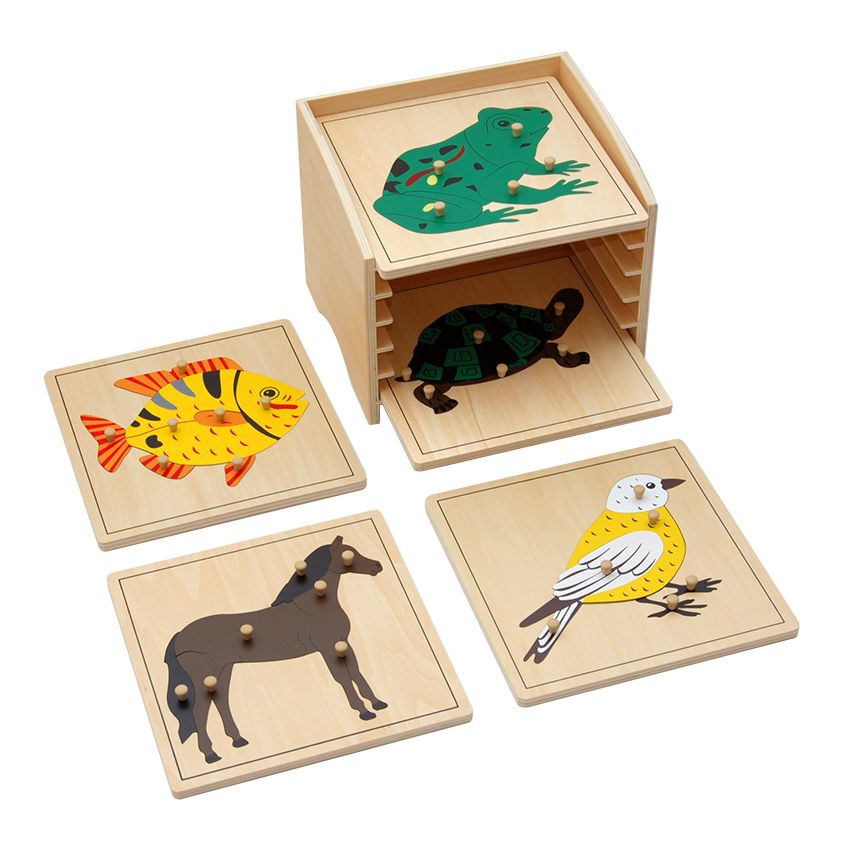
Montessori Botany Materials – Kid Advance are an essential part of the biology category, offering a wide range of tools that help children understand plant structures and concepts. These materials include puzzle cabinets, leaf cabinets, nomenclature cards, and activity sets that focus on different aspects of botany. Items such as botany puzzle cabinets with multiple puzzles and leaf cabinets with insets are designed to teach children about the parts of plants in a clear and visual way. The structured design of these materials allows children to progress from basic identification to deeper understanding of plant biology.

Botany Puzzle Cabinets for Visual Learning

Botany puzzle cabinets are one of the most important tools in this category. These cabinets typically include multiple puzzles that represent different parts of plants, such as leaves, flowers, roots, and trees. By removing and placing puzzle pieces, children learn to identify plant components and understand their structure. This hands-on activity strengthens memory, improves observation skills, and helps children connect visual information with real-world plant features.

Leaf Cabinets and Insets for Detailed Study

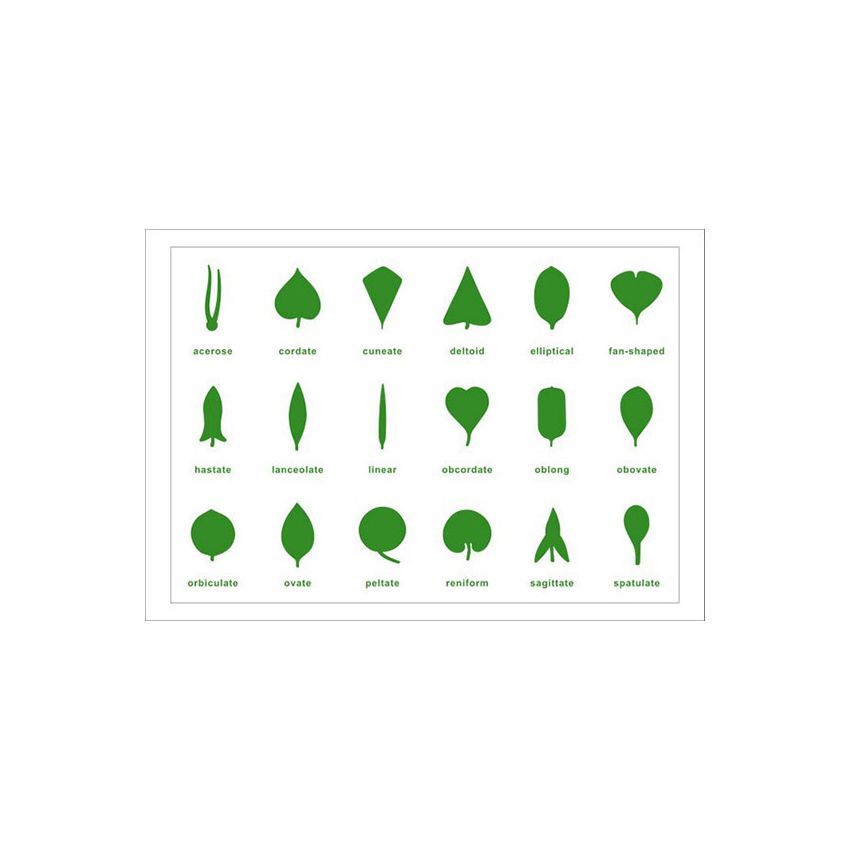
Leaf cabinets with insets provide a deeper exploration of plant forms. These materials allow children to study various leaf shapes and patterns in detail. By working with these insets, children learn to distinguish between different types of leaves and understand their characteristics. This type of activity enhances classification skills and builds a strong foundation for further botanical studies.

Nomenclature Cards for Vocabulary Development

Nomenclature cards are another key component of Montessori botany materials. These cards are used to teach the names and functions of different plant parts. They help children associate visual representations with correct terminology, improving both their scientific vocabulary and comprehension. Control charts are often used alongside these cards to provide guidance and ensure accuracy during learning activities.

Individual Botany Puzzles for Concept Clarity

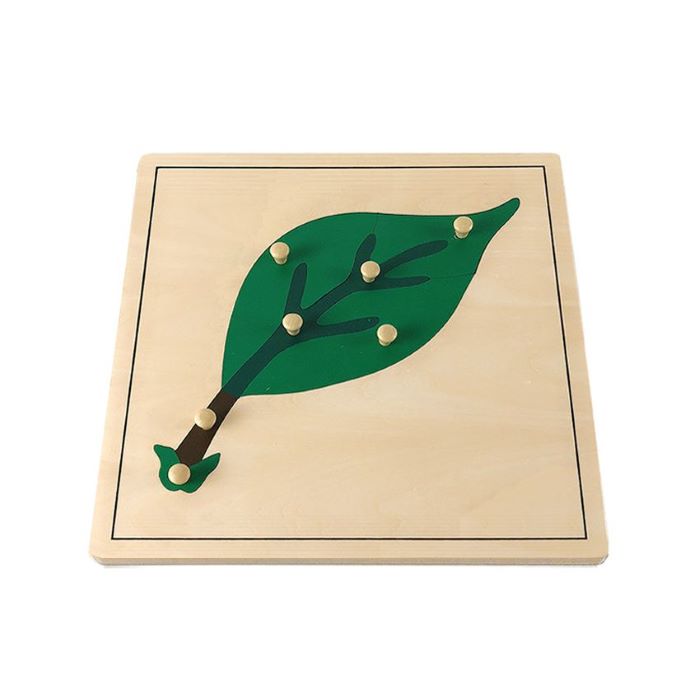
In addition to cabinets, individual puzzles such as leaf, flower, root, and tree puzzles are widely used. These puzzles focus on specific plant parts, allowing children to concentrate on one concept at a time. By repeatedly working with these materials, children develop a clearer understanding of plant anatomy and how different parts function together.

Activity Sets for Interactive Learning

Botany puzzle activity sets provide a combination of different learning tools in one package. These sets encourage children to engage in multiple activities, reinforcing their understanding of plant structures. Through repeated interaction, children build confidence and improve their ability to recall information. Activity-based learning also keeps children motivated and interested in the subject.

Organization and Progression in Botany Learning

Montessori botany materials are organized to support gradual learning. Children typically begin with simple puzzles and move on to more detailed materials such as leaf cabinets and nomenclature cards. This progression ensures that each new concept builds on previously learned knowledge. The structured approach helps children develop a comprehensive understanding of botany while maintaining a steady learning pace.

Benefits of Montessori Botany Materials

Using botany materials in education offers several advantages. These materials improve observation and classification skills by encouraging children to study details closely. They also enhance memory and concentration through repetitive, hands-on activities. Additionally, children develop a deeper appreciation for nature as they learn about plants in an interactive way. This approach not only strengthens scientific understanding but also fosters curiosity and a love for learning.

FAQs

1. What are Montessori botany materials?

They are educational tools such as puzzle cabinets, leaf cabinets, and nomenclature cards used to teach children about plant structures and concepts.

2. What is included in a botany puzzle cabinet?

A botany puzzle cabinet typically includes multiple puzzles representing parts of plants like leaves, flowers, roots, and trees.

3. How do leaf cabinets help children learn?

Leaf cabinets with insets allow children to study different leaf shapes and patterns, improving their classification and observation skills.

4. What are nomenclature cards used for in botany?

They help children learn the names and functions of plant parts by connecting images with correct terminology.

5. Why are Montessori botany materials effective?

They provide hands-on, visual learning experiences that make plant biology easier to understand and remember.

By incorporating structured and interactive tools, botany learning becomes an engaging process that helps children build a strong understanding of plant science while developing essential cognitive skills.

Montessori Educational Materials: Choosing the Right Educational Toys for Early Learning

Introduction to Educational Toys in Montessori Learning

Educational toys play a vital role in helping children explore, learn, and develop essential skills from an early age. These materials are designed to encourage hands-on interaction, creativity, and independent thinking. In a Montessori-inspired environment, toys are not just for entertainment—they are tools that support cognitive, physical, and emotional growth through purposeful activities.

Importance of Montessori Educational Materials

Kid Advanve – Montessori Educational Materials are carefully selected to match a child’s developmental stage and learning needs. Educational toys available across different categories focus on building foundational skills such as problem-solving, coordination, language development, and creativity. From simple puzzles to activity-based toys, each item is designed to promote active engagement and self-learning. These materials are grouped by age ranges and learning areas, making it easier to choose appropriate options for infants, toddlers, and early childhood learners.

Infant and Toddler Learning Toys

For younger children, educational toys focus on sensory exploration and motor skill development. Items such as stacking rings, shape ladders, interlocking discs, and rattles are designed to improve hand-eye coordination and fine motor skills. Toys like sensory tumbling objects and stacking trees encourage children to explore movement, balance, and spatial awareness. These simple yet effective tools help infants and toddlers understand basic concepts through play.

Puzzles and Hands-On Learning Activities

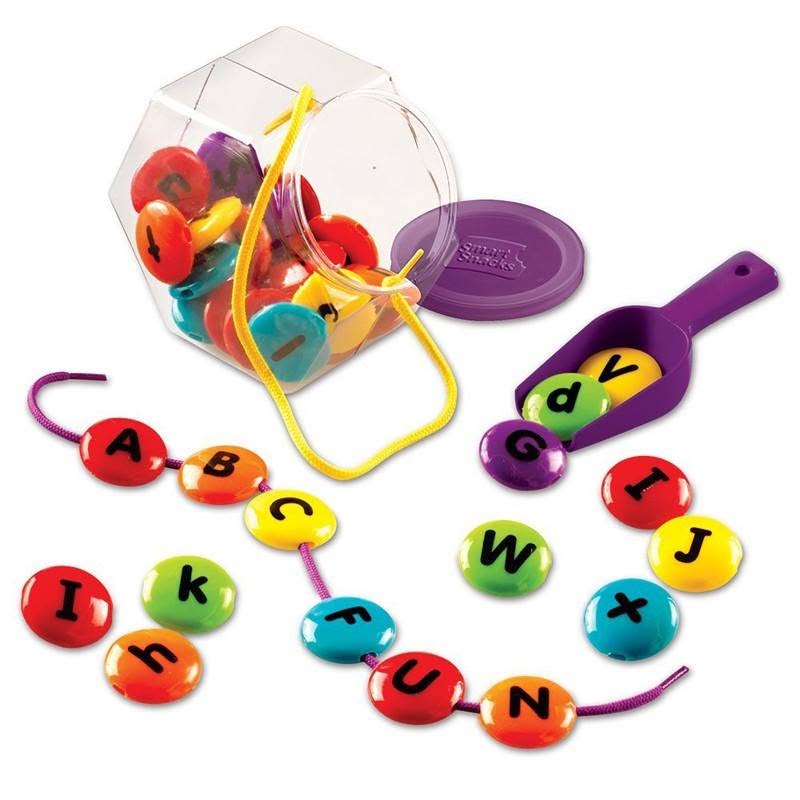
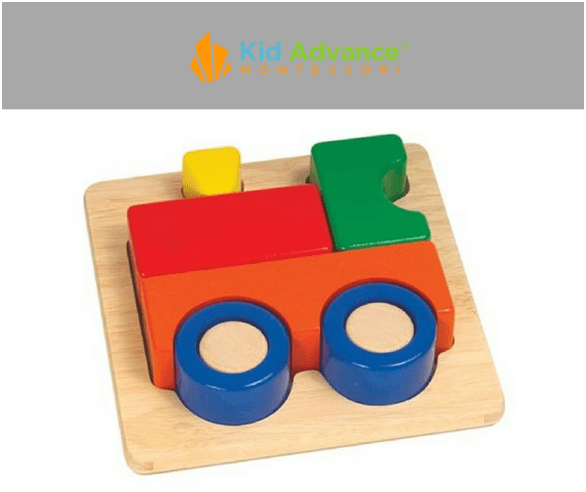
Puzzles are an essential part of Montessori educational materials. Wooden puzzles featuring animals, transportation, daily objects, and shapes help children recognize patterns and improve problem-solving abilities. These activities also enhance memory and concentration, as children learn to match shapes and complete images independently. Threading boards and lacing activities further support coordination and patience, making them valuable additions to a home or classroom setup.

Language and Early Learning Toys

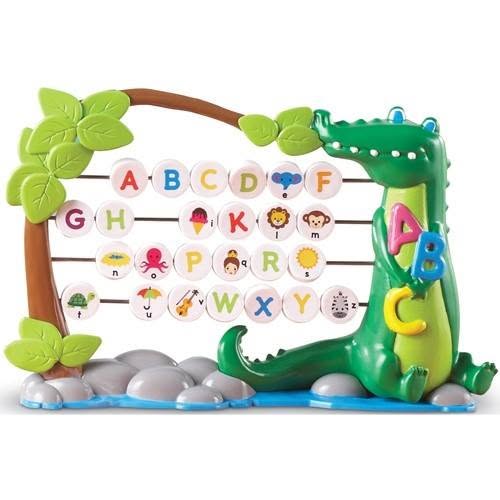
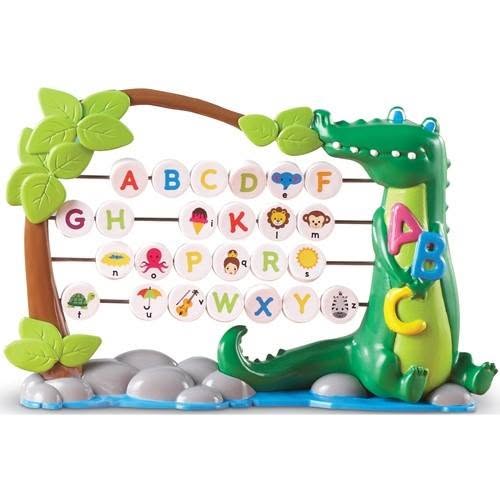
Language development is supported through toys that introduce alphabets, words, and communication skills. Items like alphabet learning sets and hand sign alphabet tools help children connect symbols with sounds and meanings. These toys provide a foundation for reading and writing while making the learning process interactive and enjoyable. By engaging with these materials, children can gradually build confidence in their language abilities.

Math and Cognitive Skill Development

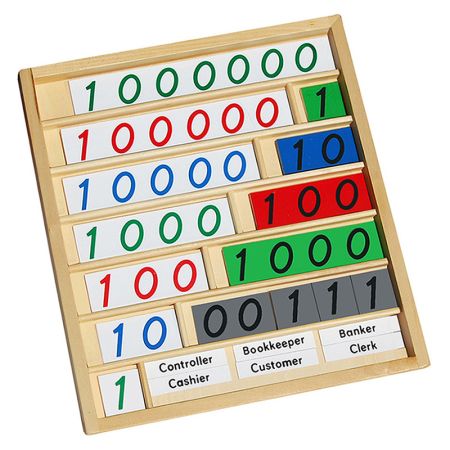
Mathematics-based toys help children understand numbers, counting, and basic arithmetic concepts. Tools such as number charts and counting activities encourage logical thinking and problem-solving. These materials are designed to make abstract concepts more tangible, allowing children to grasp mathematical ideas through hands-on experience.

Science and Exploration-Based Toys

Science-focused educational toys introduce children to the world around them. Items like science sets, thermometers, and solar system models help children explore natural phenomena and develop curiosity. These materials encourage observation, experimentation, and critical thinking, which are essential skills for lifelong learning.

Creative and Pretend Play Materials

Creative play is another important aspect of Montessori learning. Pretend play toys, building sets, and activity-based materials allow children to express themselves and develop imagination. Whether it’s role-playing with everyday objects or constructing shapes and structures, these activities help children understand real-world scenarios while enhancing creativity.

Organizing Learning by Age and Category

Educational toys are categorized based on age groups such as infants, toddlers, and early childhood learners. They are also grouped into different learning areas like puzzles, arts and crafts, building activities, and curriculum support. This structured approach ensures that children receive the right level of challenge and engagement at each stage of their development.

Benefits of Montessori Educational Materials

Using Montessori educational materials offers several advantages. Children develop independence as they interact with toys designed for self-directed learning. They also improve concentration, coordination, and problem-solving skills. Additionally, these materials encourage creativity and curiosity, helping children build a strong foundation for future learning experiences.

FAQs

1. What types of toys are included in Montessori educational materials?

Montessori educational materials include puzzles, stacking toys, lacing activities, science kits, language tools, and pretend play items designed for different age groups.

2. How do educational toys help infants and toddlers?

They support sensory exploration, improve motor skills, and help children understand basic concepts through hands-on play.

3. Why are puzzles important in Montessori learning?

Puzzles help children develop problem-solving skills, improve concentration, and enhance memory through interactive learning.

4. What role do science toys play in early education?

Science toys encourage curiosity, observation, and experimentation, helping children understand the world around them.

5. How are educational toys organized for different age groups?

They are categorized by age ranges and learning areas, ensuring that children receive suitable materials for their developmental stage.

By incorporating the right educational toys into daily activities, parents can create a structured and engaging learning environment that supports a child’s overall growth and development through Montessori principles.

Montessori Math Materials — Sequence & Usage Guides

Montessori education emphasizes hands-on learning, allowing children to explore abstract concepts through tactile experiences. Among these, Montessori math materials hold a special place, as they bridge the gap between concrete understanding and abstract reasoning. By using these materials, children can develop a deep comprehension of numbers, operations, and mathematical relationships at their own pace.

When we talk about Montessori math, it’s essential to understand that these materials are designed to progress in a logical sequence. Starting from the basics of counting and moving towards complex arithmetic operations, Montessori math materials guide children through a structured learning path. One crucial category that supports this journey is Kid Advance Montessori Practical Life Materials. These materials, though primarily used for everyday life skills, play a critical role in preparing children for mathematical thinking. Tasks such as pouring, transferring, or sorting objects help develop fine motor skills, concentration, and coordination — all of which are foundational for handling Montessori math materials like number rods, golden beads, and the stamp game.

Sequence of Montessori Math Materials

Montessori math materials are not introduced randomly; they follow a carefully designed sequence that builds a child’s understanding step by step. This sequence ensures that children move from concrete experiences to abstract reasoning confidently. Here’s a typical progression:

  1. Number Sense and Counting

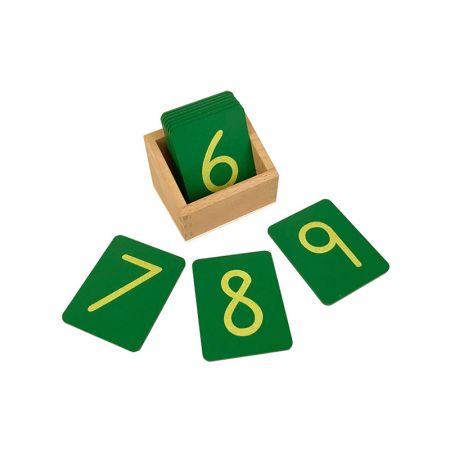
Children start by learning to recognize numbers, understand quantities, and count objects. Materials like number rods and cards help them visualize numerical values while using Montessori Practical Life Materials enhances their hand-eye coordination, making counting activities smoother.

  • Decimal System and Place Value

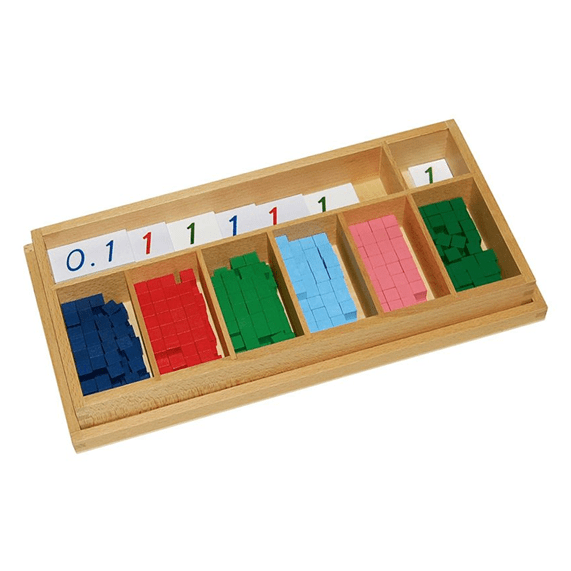
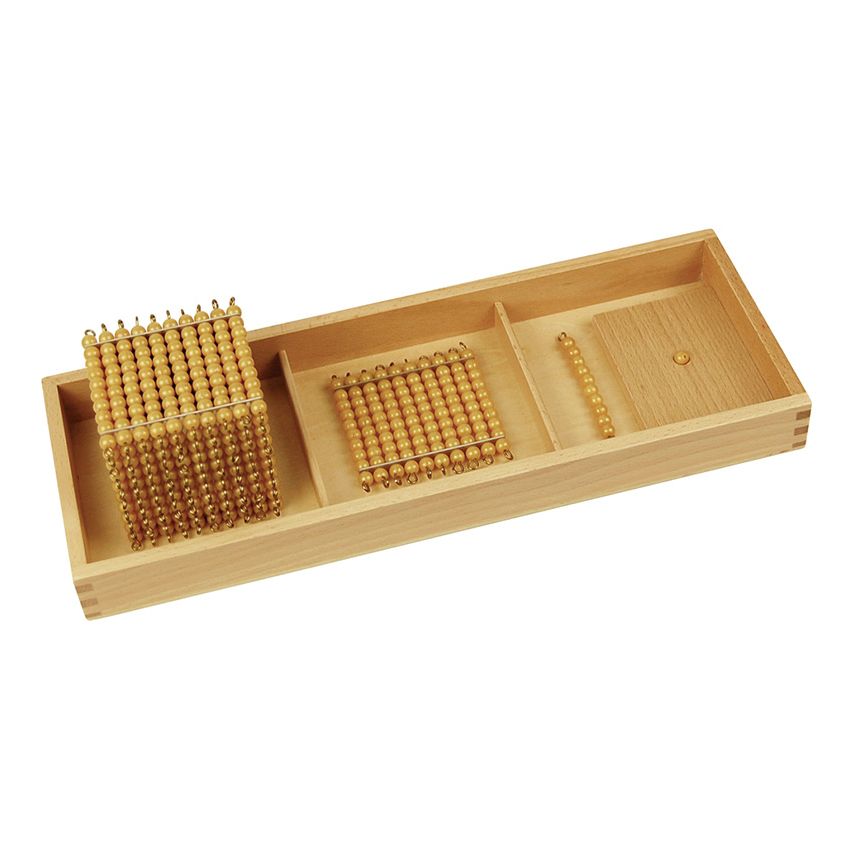
After mastering counting, children are introduced to the decimal system. Materials like golden beads allow them to understand units, tens, hundreds, and thousands through physical manipulation. The tactile experience strengthens their grasp of place value concepts.

  • Addition and Subtraction

Using beads, counters, or stamp games, children begin combining and separating numbers. The use of Montessori Practical Life Materials at this stage improves precision and control, supporting successful completion of addition and subtraction exercises.

  • Multiplication and Division

At this level, children explore repeated addition, arrays, and grouping. Materials are designed to help them visualize multiplication tables and division concepts, ensuring a strong foundation before moving into abstract problem-solving.

  • Advanced Concepts

Once comfortable with basic operations, children can explore fractions, decimals, and geometric concepts. Montessori math materials are introduced progressively to match the child’s cognitive development, ensuring they are never overwhelmed.

How to Use Montessori Math Materials Effectively

Correct usage of Montessori math materials is essential to maximize their benefits. Here are some best practices:

  • Follow the Prepared Sequence: Always introduce materials in the recommended order, starting with concrete experiences and gradually moving to abstraction.
  • Hands-On Manipulation: Encourage children to touch, move, and interact with every material. The tactile experience is crucial for understanding numbers and operations.
  • Consistent Practice: Regular sessions with these materials reinforce concepts and help children internalize mathematical operations.
  • Observation: Teachers and parents should carefully observe the child’s progress, offering guidance without taking over the activity.
  • Integration with Practical Life Activities: Montessori Practical Life Materials complement math learning by enhancing fine motor skills and concentration, allowing children to engage with math materials more effectively.

Benefits of Using Montessori Math Materials

  1. Concrete Understanding of Abstract Concepts

Children grasp numerical operations more deeply when they can manipulate objects rather than only seeing numbers on paper.

  • Independent Learning

Montessori materials are designed for self-correction. Children learn to assess their own work, fostering independence and confidence.

  • Enhanced Cognitive Development

By engaging in step-by-step manipulation of materials, children improve logical thinking, problem-solving, and memory skills.

  • Improved Concentration and Focus

Both Montessori math materials and Montessori Practical Life Materials encourage extended focus and attention to detail, essential for academic success.

  • Smooth Transition to Abstract Math

Once children master hands-on activities, moving to abstract numbers, mental calculations, and complex problem-solving becomes easier and natural.

Tips for Choosing Montessori Math Materials

When selecting Montessori math materials, consider the following:

  • Durability: Materials should withstand frequent use by children.
  • Clarity: Each material must clearly represent the concept it teaches.
  • Age Appropriateness: Ensure that the materials match the developmental stage of the child.
  • Integration with Practical Life: Choose materials that complement fine motor and coordination exercises, such as pouring beads or threading activities.

FAQs About Montessori Math Materials

Q1: What are Montessori Practical Life Materials and how do they support math learning?

A1: Montessori Practical Life Materials are tools used for everyday tasks such as pouring, sorting, or transferring. They enhance fine motor skills, concentration, and hand-eye coordination, which are essential for handling math materials effectively.

Q2: At what age should children start using Montessori math materials?

A2: Children can begin exploring basic counting and number recognition around age 3. More complex materials like golden beads or the stamp game are usually introduced between ages 4 and 6, depending on the child’s readiness.

Q3: Can Montessori math materials be used at home?

A3: Yes, these materials are highly effective for home use. Parents can set up a prepared environment similar to a Montessori classroom and guide children through hands-on activities.

Q4: How often should children practice with Montessori math materials?

A4: Daily short sessions of 15–30 minutes are ideal. Consistent practice ensures that children retain concepts without feeling pressured.

Q5: Are Montessori math materials only for gifted children?

A5: No, these materials are designed for all children. They adapt to each child’s pace, making learning accessible, engaging, and enjoyable for every learner.

Final Thoughts

Montessori math materials are more than just tools; they are a pathway to nurturing independent, confident, and logically thinking children. When integrated with Montessori Practical Life Materials, they create a holistic learning environment that develops both cognitive and physical skills. By following the correct sequence and usage guidelines, parents and educators can help children master mathematical concepts while fostering a lifelong love for learning.

Resource: https://kidadvancemontessori.blogspot.com/2026/03/Montessori-Math-Materials-Sequence–Usage-Guides.html

10 Must-Have Montessori Materials for Every Stage of Early Childhood

Creating a Montessori-inspired home environment is one of the most effective ways to nurture independence, creativity, and confidence in young children. Montessori education focuses on hands-on learning, where children explore concepts through carefully designed materials that isolate one skill at a time and encourage self-correction.

If you’re planning to build a learning-friendly space at home, choosing the right Montessori Materials for Home like Kid Advance becomes essential. The right setup—paired with child-friendly furniture—can transform everyday learning into a meaningful and engaging experience. Montessori materials are not just toys; they are tools designed to align with your child’s developmental stages and natural curiosity.

Why Montessori Materials Matter

Montessori materials are designed with purpose. Each item focuses on a single concept, allowing children to master skills step by step. These materials are also self-correcting, meaning children can identify mistakes and learn independently without constant adult intervention.

At home, this approach helps children:

  • Build concentration and focus
  • Develop fine and gross motor skills
  • Encourage independence
  • Learn through real-life experiences

1. Practical Life Tools (0–3 Years)

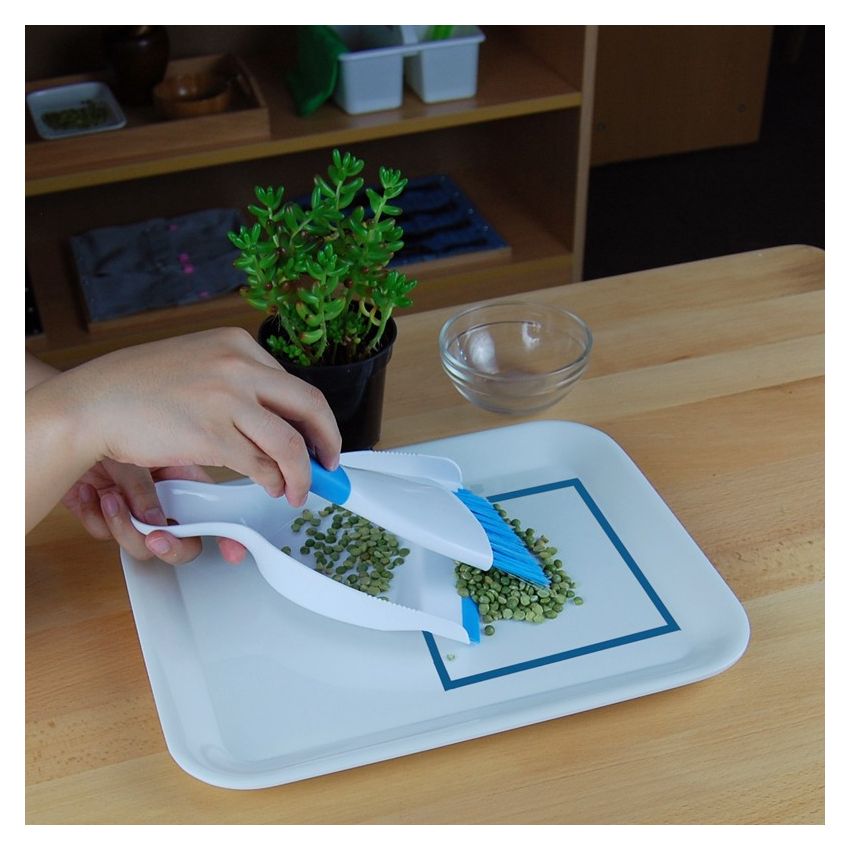
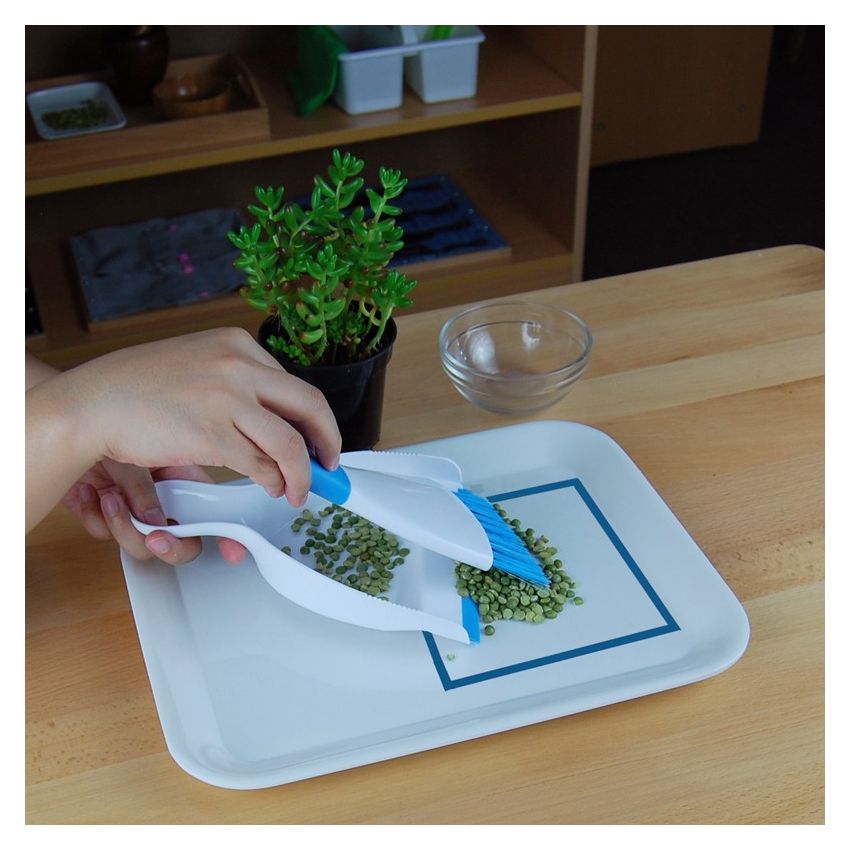
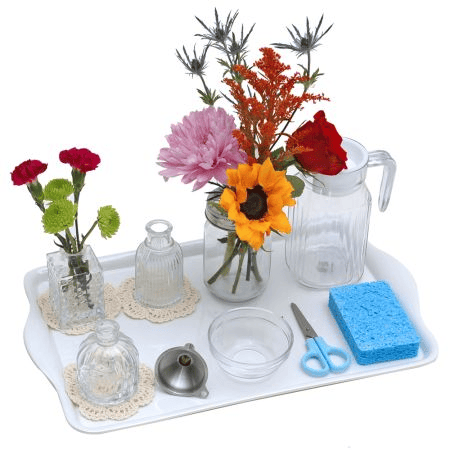
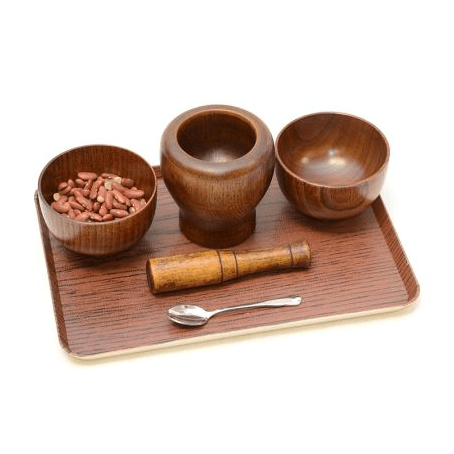
Practical life materials are the foundation of Montessori learning. These include everyday activities like pouring, spooning, and cleaning.

Examples:

  • Pouring pitchers
  • Spoon and bowl sets
  • Cleaning cloths

These activities improve coordination and teach responsibility. Simple setups using household items can be just as effective as specialized tools.

2. Grasping Toys and Mobiles (0–1 Year)

For infants, sensory exploration is key. Grasping beads, mobiles, and simple hanging objects stimulate visual tracking and hand-eye coordination.

These materials help babies understand movement and develop early motor control.

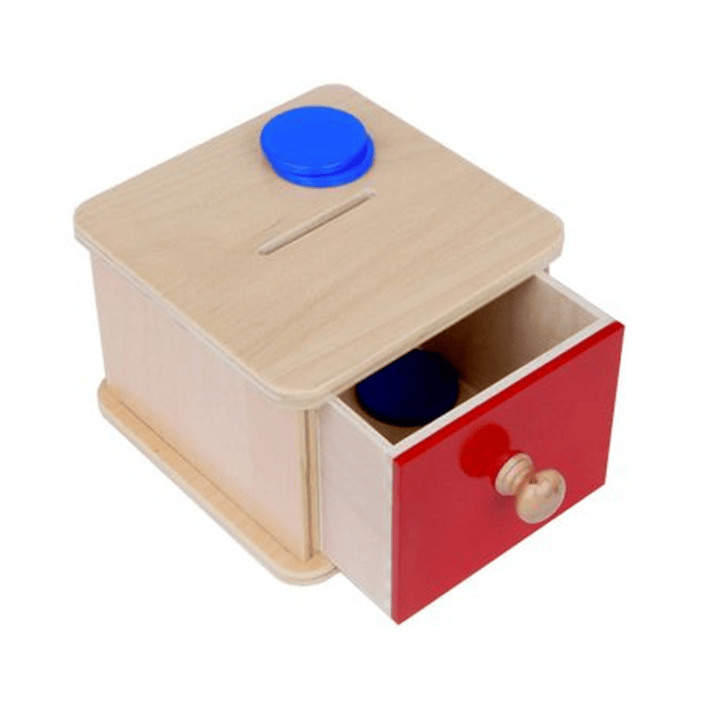
3. Object Permanence Boxes (1–2 Years)

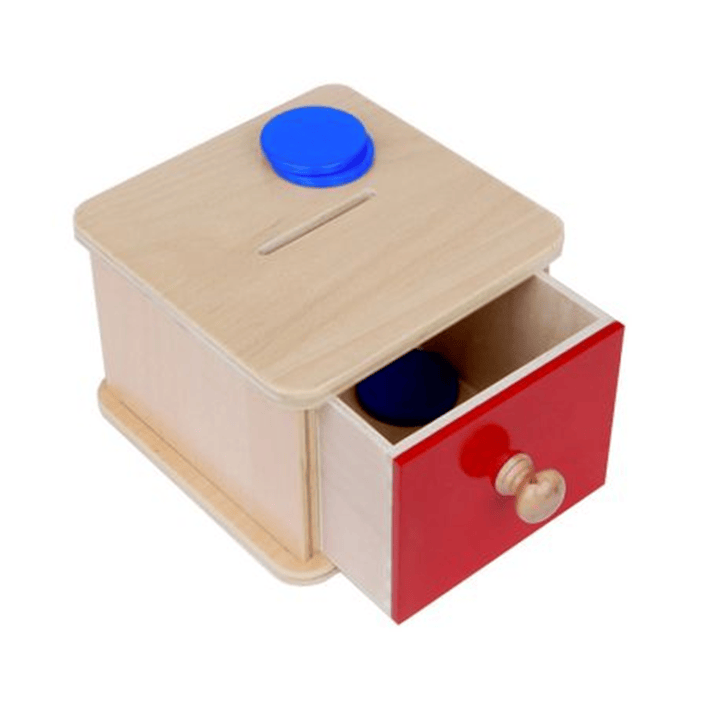
Object permanence toys teach children that objects continue to exist even when out of sight.

This concept builds memory and logical thinking, forming the basis for problem-solving skills later on.

4. Simple Puzzles (1–3 Years)

Wooden puzzles with knobs or shapes help toddlers develop fine motor skills and spatial awareness.

They also introduce early problem-solving as children learn to match shapes and sizes correctly.

5. Sensorial Materials (2–6 Years)

Sensorial materials refine a child’s senses—touch, sight, sound, smell, and taste.

Examples include:

  • Color tablets
  • Sound cylinders
  • Texture boards

These materials help children categorize and understand the world around them through sensory experiences.

6. Stacking and Grading Toys (2–4 Years)

Stacking materials like graduated blocks teach size comparison, sequencing, and coordination.

Children naturally learn mathematical concepts such as bigger/smaller and order without formal instruction.

7. Language Materials (3–6 Years)

Language development is a key focus during early childhood.

Examples:

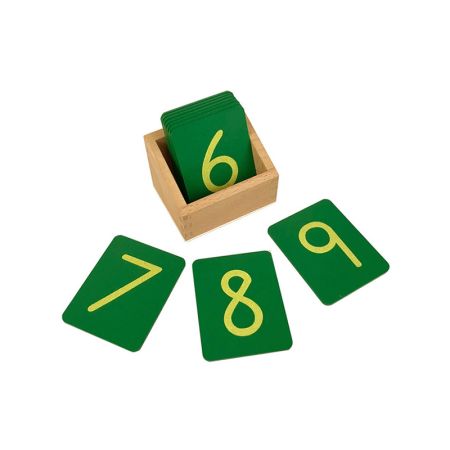
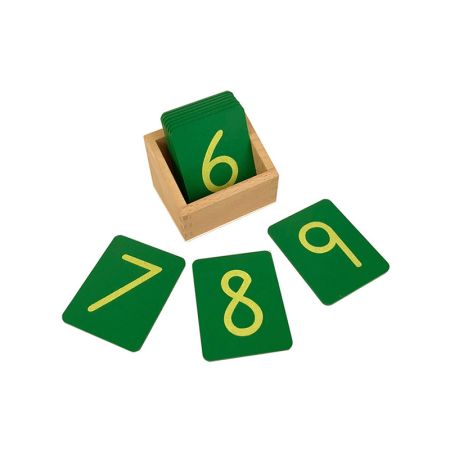
  • Sandpaper letters
  • Moveable alphabets
  • Picture cards

These tools help children connect sounds with symbols, preparing them for reading and writing.

8. Early Math Materials (3–6 Years)

Montessori math materials make abstract concepts tangible.

Examples:

  • Number rods
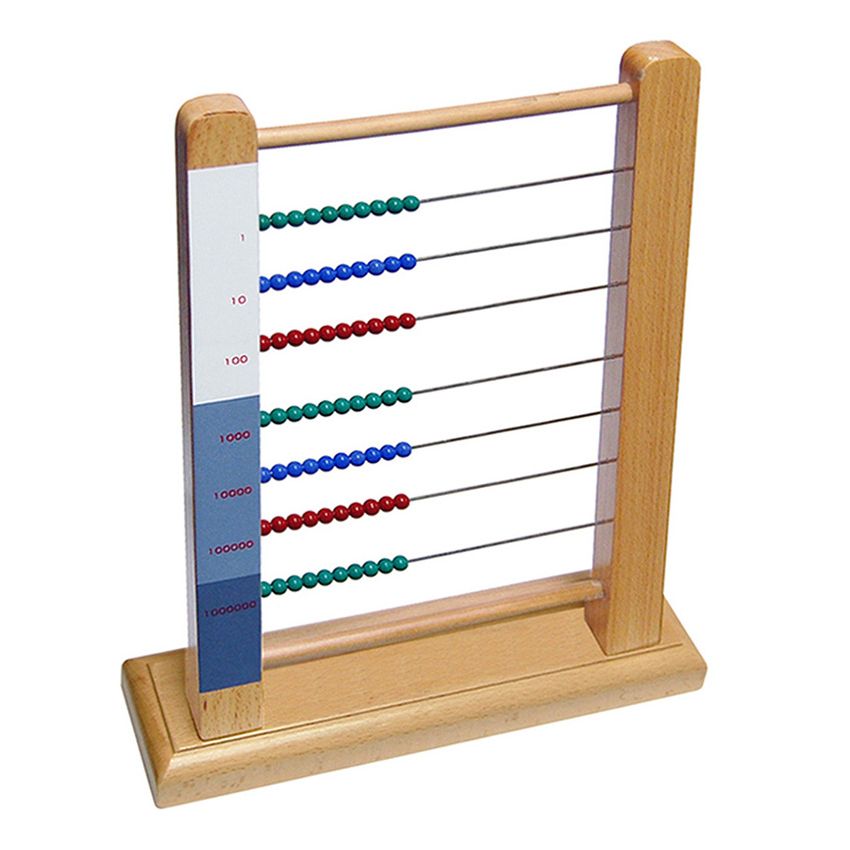
  • Counting beads
  • Spindle boxes

Children learn counting, addition, and number relationships through hands-on interaction.

9. Cultural and Science Materials (3–6 Years)

These materials introduce children to geography, nature, and science.

Examples:

  • Puzzle maps
  • Plant and animal models

They encourage curiosity and help children understand the world beyond their immediate environment.

10. Art and Creativity Materials (All Ages)

Art is an essential part of Montessori learning. Providing access to:

  • Crayons
  • Paper
  • Clay

allows children to express themselves freely and develop creativity.

Setting Up a Montessori Space at Home

To maximize the benefits of Montessori materials, the environment matters just as much as the tools.

Key tips:

  • Use low, accessible shelves
  • Keep materials organized and minimal
  • Rotate items regularly
  • Choose child-sized furniture

A well-prepared environment encourages independence and makes it easy for children to engage in learning activities.

FAQs

1. What Are Montessori Materials And Why Are They Important?

Montessori materials are specially designed learning tools that focus on one skill at a time and allow children to learn independently through hands-on experiences.

2. Can I Create Montessori Materials At Home?

Yes, many Montessori activities can be made using everyday household items like bowls, spoons, and containers while still following Montessori principles.

3. How Many Montessori Materials Should I Have At Home?

Quality is more important than quantity. A few well-chosen materials that children use repeatedly are more effective than many unused items.

4. At What Age Should I Introduce Montessori Materials?

Montessori materials can be introduced from infancy, starting with simple sensory tools and gradually progressing to language and math materials as the child grows.

5. Do I Need Special Furniture For A Montessori Setup?

Child-sized, accessible furniture is highly recommended as it promotes independence and allows children to interact with their environment comfortably.

Final Thoughts

Montessori materials provide a structured yet flexible way for children to explore, learn, and grow at their own pace. By choosing age-appropriate tools and setting up a supportive environment, parents can create a powerful learning space right at home.

Remember, the goal isn’t to fill your home with materials—it’s to provide meaningful experiences that support your child’s natural development journey.

Resource: https://kidadvancemontessori.blogspot.com/2026/03/10-Must-Have-Montessori-Materials-for-Every-Stage-of-Early-Childhood.html

Selecting the Best Early Learning Tools: A Practical Guide for Parents and Educators

Early childhood education plays a vital role in shaping a child’s future. The resources used during this stage can significantly influence how children perceive learning and how they develop essential life skills. Educators and parents alike are constantly searching for materials that not only capture a child’s curiosity but also promote independence, creativity, and practical problem-solving. Creating a structured yet flexible environment ensures that children feel supported while they explore new concepts.

The Role of Montessori Supplies in Education

Educational materials designed with a purpose go beyond entertainment. They help children understand abstract concepts through concrete experiences. Kid Advance Montessori Supplies are carefully crafted to provide children with opportunities to work independently, refine motor skills, and develop logical thinking. From simple objects like beads and counting rods to practical life activities such as pouring and sorting, these tools allow young learners to grasp foundational skills in math, language, and daily living.

When teachers integrate these resources into their classrooms, they create an environment that fosters active participation rather than passive observation. This approach encourages children to learn at their own pace, promoting self-confidence and long-term academic growth.

Why Structured Learning Tools Matter

Children absorb information through their senses. Materials that engage touch, sight, and sound make learning more meaningful. For example, when children use tactile letters, they can trace shapes while simultaneously connecting them with sounds. This multi-sensory method reinforces memory and encourages early literacy. Similarly, hands-on math resources allow learners to understand number relationships instead of memorizing formulas.

Providing structured tools ensures that learning is not left to chance. It gives children a foundation upon which they can build more advanced concepts later in life.

Practical Benefits for Educators

For teachers, organized and well-designed educational tools simplify classroom management. Instead of spending valuable time creating makeshift activities, educators can rely on ready-to-use materials that align with established teaching methods. These resources also allow teachers to easily adapt lessons for different skill levels, ensuring that each child receives the right level of challenge.

Additionally, structured learning materials promote consistency across classrooms. Whether used in schools, learning centers, or homeschooling environments, they help maintain quality and effectiveness in early education.

Supporting Development at Home

Parents who wish to extend learning beyond the classroom can benefit greatly from carefully chosen educational tools. Having resources at home allows children to practice skills independently, reinforcing what they have learned in school. For example, simple sorting activities, building blocks, or life-skill exercises like buttoning and tying help children develop concentration and coordination.

When parents actively participate in their child’s learning, it creates a sense of collaboration and shared responsibility. This involvement nurtures stronger bonds while reinforcing the importance of education.

Balancing Structure and Creativity

While structured learning tools are essential, it is equally important to allow space for creativity. Children should have opportunities to experiment and use materials in ways that extend beyond their intended purpose. For instance, a set of counting beads may inspire imaginative play or storytelling. By encouraging both structured activities and free exploration, educators and parents can strike the perfect balance between discipline and creativity.

Long-Term Impact of Early Learning Tools

The benefits of using purposeful educational resources extend well beyond early childhood. Children who grow up in environments rich with engaging learning tools tend to develop stronger problem-solving skills, better focus, and higher adaptability. They often become more confident in tackling challenges, both academically and socially.

By nurturing curiosity and independence from an early age, structured learning tools set the stage for lifelong success.

Frequently Asked Questions

Q1: What Makes These Educational Tools Different From Regular Toys?

Unlike typical toys, structured learning tools are designed with specific educational outcomes in mind. They focus on skill development such as math, language, coordination, and critical thinking.

Q2: Can These Tools Be Used Outside Of A Classroom Setting?

Yes. Many families incorporate them into homeschooling or use them at home to complement school learning. Their flexibility makes them suitable for both formal and informal environments.

Q3: Are These Resources Only For Younger Children?

Not at all. While many tools target preschool and early elementary levels, some are designed to support older learners in subjects like math, science, and language.

Q4: How Can Parents Choose The Right Materials For Home Use?

Parents should consider their child’s age, interests, and developmental stage. Starting with simple life-skill tools and gradually introducing more complex materials ensures a smooth learning journey.

Q5: Do These Supplies Encourage Independence In Children?

Yes. These resources are specifically created to help children work on their own, make decisions, and develop problem-solving skills without constant adult intervention.

Final Thoughts

Investing in the right educational resources can make a profound difference in a child’s development. From strengthening basic academic foundations to building life skills and confidence, these tools play an essential role in both classrooms and homes. By combining structured learning with opportunities for creativity, educators and parents can nurture well-rounded individuals prepared for future challenges.

Resource: https://kidadvancemontessori.blogspot.com/2025/09/Choosing-the-Right-Tools-for-Early-Learning-A-Guide-for-Educators-and-Parents.html

Montessori Classroom Materials: Essential Tools for Inspired Learning

Creating a meaningful classroom environment for young learners involves more than desks and chairs—it requires purposeful tools that guide exploration, skill development, and independent thinking. When thoughtfully selected and arranged, Montessori classroom materials transform a space into a vibrant learning community where children build confidence, practice critical thinking, and develop foundational academic skills through hands-on experience.

Montessori Classroom Materials – Kid Advanceare specially designed educational tools that support a child’s natural drive to learn. These materials help students explore concepts in math, language, sensory development, problem-solving, and practical life skills. Rather than relying on rote memorization, these resources emphasize active engagement and discovery, allowing children to develop at their own pace. From tactile items that refine fine motor abilities to structured manipulatives that clarify abstract concepts, these classroom materials make learning both concrete and meaningful.

What Makes Montessori Classroom Materials Unique

The Montessori method places a strong emphasis on independence, self-directed activity, and thoughtful design. Classroom materials are intentionally created to be hands-on, self-correcting, and aligned with developmental stages. Unlike traditional worksheets or passive screen activities, Montessori classroom materials encourage children to learn by doing, reinforcing logical thinking and personal discipline.

A key principle behind these materials is isolation of difficulty—each tool focuses on a single concept or skill. For example, a number bead sequence teaches quantity without overwhelming the learner with symbols, while a language activity may isolate vowel sounds to build phonetic awareness. This approach allows children to grasp fundamental ideas before moving on to complex tasks.

Core Categories of Montessori Classroom Materials

Montessori classroom environments include a wide array of materials organized into specific learning areas. These categories work together to provide a comprehensive educational experience.

Practical Life Materials

Practical life materials teach children everyday skills that build independence and coordination. These include tools for pouring, threading, sorting, and buttoning. Practical life tasks engage children in purposeful movement, refining their motor skills while strengthening focus and concentration.

By working with real-life tools and activities, children learn sequencing, order, and care of the environment. They gain confidence as they complete meaningful tasks independently.

Sensorial Materials

Sensorial materials help children refine their senses and organize perception. These include items that differentiate size, shape, color, texture, and sound. Activities such as matching color tablets or sorting geometric shapes sharpen observation and classification skills.

Sensorial exploration supports cognitive development by helping children understand similarities and differences in the world around them. These refined senses also build a foundation for later academic learning.

Language Materials

Language materials include tools that introduce letters, sounds, vocabulary, and speech skills. Montessori classroom materials often involve tactile engagement, such as movable alphabets and textured letters, which help children connect oral language with written symbols.

Children use these materials to explore phonics, read simple words, and build sentence structure. This hands-on interaction strengthens early literacy skills in a natural and engaging way.

Math Materials

Math materials bring abstract concepts to life. Tools like number beads, counting rods, and numerical cards help children internalize mathematical ideas through manipulation and visualization.

These materials are designed to sequence logically from concrete to abstract. For example, children may begin with physical bead representations of numbers before transitioning to written numerals and arithmetic operations.

Cultural and Creative Materials

Montessori classroom materials also include resources that support cultural awareness, science exploration, art, and creativity. Puzzles, maps, and nature-based activities broaden a child’s understanding of the world, while art materials provide opportunities for imaginative expression.

Creative exploration encourages children to experiment, take risks, and communicate ideas visually and emotionally.

Arranging Montessori Classroom Materials

The physical setup of materials in a Montessori classroom is intentional and highly organized. Each set of materials has a designated place on low, accessible shelves so that children can choose and return items independently.

Materials are typically displayed in a specific order, progressing from simple to more complex. This organization helps children understand expectations and fosters a sense of rhythm in the classroom routine.

When introducing new materials, educators provide clear demonstrations and then allow children the freedom to explore independently. Observation plays a key role: teachers watch how children interact with materials to determine when to introduce new challenges or provide support.

Benefits of Montessori Classroom Materials

Integrating Montessori classroom materials into educational settings offers a wide range of benefits for young learners.

Improved Concentration Children develop sustained focus as they engage deeply with hands-on materials. The self-paced nature of these tools encourages quiet concentration and thoughtful exploration.

Enhanced Independence Children learn to choose activities, manage materials, and complete tasks on their own. This cultivates self-confidence and responsibility.

Stronger Cognitive Skills Hands-on engagement helps children internalize complex concepts through physical experience. Logical reasoning, memory, and problem-solving are strengthened through purposeful play.

Better Coordination Fine and gross motor skills improve through repeated manipulation of sensorial and practical life materials. These activities support writing readiness and everyday tasks.

Prepared for Future Learning Children who engage with Montessori classroom materials build a strong foundation for future academic success. Concepts in math, language, and science emerge naturally through exploration rather than rote instruction.

Using Montessori Classroom Materials at Home

While these materials are commonly seen in classroom environments, parents can also incorporate many Montessori-inspired tools into home learning spaces. Simple changes, such as arranging materials at child-level shelves or offering baskets of purposeful activities, help support self-directed learning.

Provide a calm, uncluttered area where children can choose from a limited number of materials at a time. Rotate items periodically to refresh interest and introduce new learning opportunities without overwhelming the child.

Observation is key. Allow children to lead, and step in with guidance only when needed. Encouraging independence at home reinforces skills that will benefit children in school and everyday life.

Montessori Classroom Materials and Technology

While the Montessori method traditionally emphasizes tactile, physical materials, technology can have a thoughtful place when used sparingly and intentionally. Digital apps or tools that reinforce concepts learned through hands-on materials can support learning without replacing physical engagement. The focus should remain on sensory exploration and active discovery.

Frequently Asked Questions (FAQs)

1. What types of educational tools are available on the website?

      The website offers a variety of educational materials, including puzzles, building blocks, sensory toys, language tools, math manipulatives, and hands-on learning resources that support early childhood development.

      2. Are the Montessori classroom materials suitable for classroom and home use?

      Yes. Many tools designed for classroom environments can also be adapted for home learning, making it easy for parents to provide meaningful activities at home.

      3. How do these materials help children learn math and literacy skills?

      Montessori classroom materials allow children to manipulate physical objects to understand abstract concepts such as numbers, counting, phonics, and word building. This hands-on approach reinforces understanding through experience.

      4. Can parents use Montessori materials without formal training?

      Absolutely. Materials are designed to be intuitive and child-centered. With simple explanations and demonstrations, parents can confidently introduce lessons at home.

      5. How should materials be organized in a learning environment?

      Materials should be placed on low, accessible shelves, arranged from simple to complex. Each item should have a defined space, and children should be encouraged to return materials after use, promoting responsibility.

      Final Thoughts

      Montessori classroom materials are more than tools—they are invitations to learn, explore, and grow. When incorporated thoughtfully into educational settings, they nurture independence, deepen understanding, and spark curiosity. By supporting hands-on engagement and self-directed discovery, these materials help children develop lifelong skills that extend far beyond the classroom walls. Whether used in schools or at home, Montessori classroom materials provide meaningful opportunities for children to learn with confidence and joy.

      Resource: https://kidadvancemontessori.blogspot.com/2026/03/Montessori-Classroom-Materials-Essential-Tools-for-Inspired-Learning.html

      Montessori Learning Toys: A Smart Start to Lifelong Education

      In today’s fast-paced digital world, parents are increasingly searching for meaningful, hands-on ways to support their child’s development. Thoughtfully designed educational tools can make a powerful difference in how children explore, think, and grow. Among the most trusted approaches to early childhood education is the Montessori philosophy, which focuses on independence, sensory exploration, and self-directed learning. Choosing the right toys inspired by this method can help children build strong cognitive, motor, and social skills from an early age.

      Kid Advance – Montessori Learning toys are specially designed to encourage hands-on discovery, concentration, and independent problem-solving. Unlike conventional toys that rely on flashing lights or electronic sounds, these learning materials emphasize simplicity, natural materials, and purposeful activities. At Kid Advance, parents can explore a wide range of thoughtfully curated educational toys that support creativity, fine motor development, early math skills, and logical thinking while staying true to child-centered learning principles.

      What Makes Montessori Learning Toys Unique?

      Montessori-inspired toys are different from traditional playthings in several important ways:

      1. Purpose-Driven Design

      Each toy is created with a clear educational objective in mind. Whether it’s improving hand-eye coordination or teaching early counting skills, every element serves a function.

      2. Hands-On Engagement

      Children learn best by doing. These toys encourage tactile exploration, stacking, sorting, matching, and building activities that strengthen neural connections.

      3. Natural Materials

      Many Montessori toys are made from wood and other safe, durable materials. The texture and weight of wooden toys provide sensory feedback that plastic toys often lack.

      4. Self-Correction

      A hallmark of Montessori materials is built-in error control. For example, a shape sorter will only accept the correct piece in the correct slot, allowing children to recognize and fix mistakes independently.

      5. Focus on Independence

      These toys promote self-directed play. Instead of step-by-step instructions, children are free to experiment, explore, and discover solutions at their own pace.

      Key Benefits of Montessori Learning Toys

      Encourages Cognitive Development

      Puzzles, stacking rings, and shape sorters enhance problem-solving abilities and logical reasoning. Children begin to understand patterns, sequences, and cause-and-effect relationships naturally.

      Builds Fine Motor Skills

      Activities such as threading beads, placing pegs, or fitting blocks into designated spaces help strengthen finger muscles. These skills are essential for writing and other everyday tasks.

      Improves Concentration

      Because Montessori toys focus on one concept at a time, children develop longer attention spans. They learn to complete tasks without constant external stimulation.

      Promotes Emotional Growth

      Independent play builds confidence. When a child successfully completes a puzzle or masters a new skill, they experience a sense of accomplishment.

      Supports Early Math and Language Skills

      Counting beads, alphabet boards, and number puzzles introduce foundational concepts in an engaging way.

      Types of Montessori Learning Toys Available

      At Kid Advance, parents can find a variety of educational toys aligned with Montessori principles. Some popular categories include:

      Wooden Puzzles

      Designed to develop spatial awareness and critical thinking, wooden puzzles help children recognize shapes, animals, numbers, and letters.

      Stacking and Sorting Toys

      These toys improve coordination and introduce concepts like size, order, and balance.

      Counting and Math Toys

      Number rods, counting boards, and bead sets lay the groundwork for early arithmetic skills.

      Sensory Toys

      Textured boards and shape-matching activities stimulate tactile learning and sensory integration.

      Practical Life Toys

      Tools that mimic real-life tasks—like lacing boards or simple tool sets—encourage responsibility and independence.

      Choosing the Right Montessori Toy for Your Child

      Selecting age-appropriate materials is essential. Here are a few general guidelines:

      • Toddlers (1–3 years): Focus on stacking rings, simple shape sorters, and large-piece puzzles.
      • Preschoolers (3–5 years): Introduce counting toys, alphabet puzzles, and more complex building sets.
      • Early Learners (5+ years): Look for math boards, advanced puzzles, and problem-solving kits.

      Safety is also important. Always ensure toys are made from non-toxic materials and have smooth edges.

      How Montessori Toys Encourage Independent Learning

      Montessori philosophy emphasizes giving children the freedom to explore within structured boundaries. When children choose their own activity, they become more engaged and motivated. Montessori toys often:

      • Require active participation rather than passive observation
      • Allow repetition for mastery
      • Encourage exploration without immediate adult intervention

      This approach helps children develop internal motivation, which is crucial for long-term academic success.

      Creating a Montessori-Inspired Play Environment at Home

      You don’t need a full classroom setup to support Montessori learning. Simple changes can make a big difference:

      • Use low shelves to make toys accessible
      • Rotate toys to maintain interest
      • Keep play areas organized and clutter-free
      • Allow uninterrupted playtime

      When children can independently access and return their toys, they learn responsibility and organization skills.

      Why Quality Matters in Educational Toys

      High-quality educational toys are durable, safe, and thoughtfully designed. Investing in well-crafted materials ensures they last through years of use and even multiple children. Carefully selected toys provide consistent learning value rather than short-term entertainment.

      Parents seeking reliable options can explore the curated collection available at Kid Advance, where educational value and child development remain the top priorities.

      Frequently Asked Questions (FAQ)

      1. What age are Montessori learning toys suitable for?

      Montessori toys are suitable for children as young as 12 months and can continue to support development through early elementary years. The key is choosing age-appropriate materials that match your child’s developmental stage.

      2. Are Montessori toys safe for toddlers?

      Yes, when made from non-toxic, child-safe materials with smooth finishes and no small detachable parts for younger children, Montessori toys are designed with safety in mind.

      3. How do Montessori toys help with early math skills?

      Counting beads, number puzzles, and sorting games introduce numerical concepts in a hands-on way, making abstract ideas easier for young children to understand.

      4. Can Montessori toys improve concentration?

      Absolutely. Because these toys focus on single-skill activities without overwhelming distractions, they help children develop focus and sustained attention.

      5. Do I need a full Montessori classroom at home?

      No, you don’t need a complete classroom setup. A few well-chosen educational toys and an organized play area are enough to create a Montessori-inspired learning environment at home.

      Final Thoughts

      Montessori-inspired toys are more than just playthings—they are tools for growth, discovery, and independence. By choosing thoughtfully designed educational materials, parents can support their child’s natural curiosity and build essential skills for lifelong learning.

      Resource: https://kidadvancemontessori.blogspot.com/2026/03/Montessori-Learning-Toys-A-Smart-Start-to-Lifelong-Education.html

      Essential Montessori Classroom Materials for Early Childhood Learning

      Montessori education emphasizes nurturing a child’s natural curiosity and love for learning through independence, hands-on experiences, and self-directed activities. Central to this approach is the classroom environment, which must be thoughtfully prepared to support meaningful exploration. Every item in a Montessori classroom is carefully selected to foster learning and growth.

      Montessori Classroom Materials – Kid Advance are specially designed to engage children in practical, sensory-based learning. These materials allow children to explore concepts such as numbers, letters, colors, shapes, and life skills in a way that is tangible and interactive. Unlike traditional teaching tools, Montessori materials promote self-correction, encourage concentration, and build confidence, making learning both effective and enjoyable.

      What Are Montessori Classroom Materials?

      Montessori classroom materials are hands-on learning tools that help children develop cognitive, physical, emotional, and social skills. Each material focuses on one concept at a time, allowing children to master skills step by step. From math beads to language cards and sensory trays, these materials are designed to make abstract ideas concrete.

      The key principles of Montessori materials include:

      • Hands-on learning: Children learn by touching, moving, and manipulating materials.
      • Self-correction: Materials are designed so children can identify and correct mistakes independently.
      • Sequential learning: Concepts are introduced in a carefully structured order.
      • Independence: Children choose and complete activities at their own pace.

      These materials create a learning environment that respects each child’s individual pace and encourages active engagement.

      Key Categories of Montessori Classroom Materials

      1. Practical Life Materials

      These tools help children develop daily living skills and independence. Activities include pouring, spooning, dressing frames, and cleaning exercises. Practical life materials also improve hand-eye coordination, concentration, and fine motor skills.

      • Sensorial Materials

      Sensorial materials refine the senses and help children understand dimensions, textures, colors, shapes, and sounds. Examples include color tablets, geometric solids, sound cylinders, and tactile boards. These materials enable children to make comparisons, classify objects, and develop critical thinking skills.

      • Language Materials

      Language materials introduce children to letters, phonetics, reading, and writing. Tools such as sandpaper letters, movable alphabets, and reading cards support the gradual transition from oral to written language while strengthening fine motor control and auditory discrimination.

      • Mathematics Materials

      Mathematics in a Montessori classroom is concrete and hands-on. Children use bead chains, number rods, golden beads, and fraction circles to explore addition, subtraction, multiplication, division, and other mathematical concepts. This tactile approach helps children visualize numbers and operations in a logical sequence.

      • Cultural Materials

      Cultural studies include geography, science, art, and history. Montessori classroom materials like puzzles of continents, flags, timelines, and classification cards expose children to the broader world while nurturing curiosity and respect for diversity.

      Benefits of Montessori Classroom Materials

      Montessori classroom materials provide multiple benefits that extend beyond academic learning:

      • Encourage self-learning: Children explore and understand concepts independently.
      • Enhance problem-solving skills: Hands-on activities challenge children to think critically.
      • Build confidence: Self-correction allows children to trust their abilities.
      • Promote concentration: Activities are designed to capture attention and sustain focus.
      • Develop motor skills: Manipulating materials improves both fine and gross motor development.

      The carefully structured nature of Montessori materials ensures that learning is holistic, meaningful, and enjoyable.

      How to Choose Montessori Classroom Materials

      When selecting Montessori materials, consider the child’s age, developmental stage, and interests. Choose materials that:

      • Target specific learning objectives
      • Are made of natural and safe materials
      • Encourage exploration and self-correction
      • Can be organized on low shelves for easy access

      A well-prepared classroom with high-quality Montessori materials ensures that children engage in purposeful activities that nurture independence, creativity, and curiosity.

      FAQs

      1. What Are Montessori Classroom Materials Made Of?

      Montessori materials are usually made from natural, durable materials like wood, metal, or fabric. They are safe, tactile, and designed to provide sensory experiences that support hands-on learning.

      2. At What Age Can Children Use Montessori Classroom Materials?

      Montessori materials are designed for children from ages 2.5 to 6 in early childhood classrooms. Materials are introduced according to developmental readiness, ensuring that each child can engage meaningfully at their own pace.

      3. Can Montessori Materials Be Used At Home?

      Yes! Many Montessori classroom materials can be adapted for home use to support learning through play, sensory activities, and practical life exercises. Setting up a small Montessori-inspired environment at home can reinforce classroom learning.

      4. Why Are Self-Correcting Materials Important In Montessori Education?

      Self-correcting materials allow children to identify and fix mistakes independently, building confidence, concentration, and problem-solving skills. This principle encourages intrinsic motivation and self-directed learning.

      5. How Do Montessori Materials Support Overall Development?

      Montessori materials support cognitive, physical, social, and emotional growth. They promote independence, fine motor skills, critical thinking, and concentration while fostering a love for learning and exploration.

      Montessori classroom materials are more than teaching tools—they are gateways to discovery, creativity, and lifelong learning. By creating an environment rich with purposeful materials, educators provide children with the freedom to explore, make choices, and develop skills naturally. Whether in school or adapted at home, these materials remain at the heart of Montessori education, shaping confident, curious, and capable learners.

      Resource: https://kidadvancemontessori.blogspot.com/2026/01/Essential-Montessori-Classroom-Materials-for-Early-Childhood-Learning.html

      Discover the Best Montessori Materials for Sale to Enhance Learning at Home

      Providing children with a rich and stimulating learning environment is one of the most important steps in their early development. Montessori education focuses on hands-on learning, independence, and discovery, encouraging children to explore at their own pace. For parents and educators looking to support this educational approach, finding high-quality Montessori materials for sale is essential to ensure meaningful learning experiences.

      At Kid Advance, you can explore a wide range of Montessori materials designed to develop skills in practical life, sensorial exploration, mathematics, language, and more. Whether you’re setting up a Montessori-inspired classroom or a learning corner at home, the right materials foster curiosity, concentration, and creativity in children.

      Why Montessori Materials Are Essential for Early Learning

      Montessori materials are carefully designed to teach specific skills through hands-on activities. Unlike ordinary toys, they are meant to provide purposeful learning and promote self-correction, allowing children to gain confidence as they explore.

      • Practical Life Tools: Help children develop independence through activities such as pouring, buttoning, and cleaning.
      • Sensorial Materials: Engage the senses through tactile, visual, and auditory experiences.
      • Mathematics Tools: Simplify complex concepts like counting, addition, subtraction, and sequencing using tangible objects.
      • Language Materials: Support early literacy, vocabulary, and writing skills in interactive ways.

      These materials are more than educational aids—they are an investment in a child’s intellectual, emotional, and social development.

      How to Choose the Right Montessori Materials

      When shopping for Montessori materials for sale, it’s important to consider the child’s age, interests, and developmental stage. Here’s a guide to help you select the best tools:

      1. Age-Appropriate Materials: Infants and toddlers benefit from soft, safe, and tactile items, while older children thrive with tools that challenge cognitive and motor skills.
      2. Purposeful Learning: Choose materials that teach a clear concept or skill rather than items that are purely decorative.
      3. Durability: Montessori materials are often used repeatedly, so opt for high-quality wooden or natural products that last.
      4. Complete Sets: Kits that cover a range of skills are cost-effective and provide varied learning opportunities.

      At Kid Advance, every Montessori product is designed to meet these standards, making it easy for parents and educators to invest in effective learning tools.

      Popular Montessori Materials Available Online

      Kid Advance offers a diverse selection of Montessori materials for sale, catering to all areas of development:

      • Sensorial Materials: Includes color tablets, geometric solids, sound boxes, and other tools to refine a child’s senses.
      • Mathematics Materials: Number rods, bead chains, and golden bead sets make abstract concepts tangible.
      • Language Materials: Sandpaper letters, movable alphabets, and reading cards support literacy skills.
      • Practical Life Tools: Pouring sets, dressing frames, and grooming activities promote independence and motor skills.
      • Science and Geography Materials: Maps, globes, and nature exploration kits spark curiosity and expand knowledge.

      Each product encourages self-directed learning, hands-on engagement, and long-term retention of skills.

      Benefits of Buying Montessori Materials Online

      Shopping for Montessori materials online has multiple advantages:

      1. Convenience: Browse a wide variety of products from home.
      2. Variety: Online stores provide specialized items for different age groups and skills.
      3. Detailed Information: Read product descriptions, usage instructions, and reviews before purchasing.
      4. Time-Saving: Avoid visiting multiple stores; have materials delivered directly.
      5. Cost-Effective: Take advantage of discounts, bundles, and free shipping options available online.

      By choosing Kid Advance, you ensure that all materials purchased are authentic, high-quality, and suitable for Montessori learning.

      Setting Up a Montessori Space at Home

      Once you have your Montessori materials, creating a dedicated learning space helps children engage independently:

      • Accessible Storage: Use low shelves or trays so children can easily reach materials.
      • Order and Simplicity: Keep the area uncluttered and rotate materials periodically.
      • Child-Centered Environment: Let children choose activities to encourage self-directed learning.
      • Natural Materials: Incorporate wood, cotton, and other natural textures for a calming environment.

      A well-prepared environment combined with quality Montessori materials encourages concentration, creativity, and a love for learning.

      FAQs About Montessori Materials from Kid Advance

      1. What Types Of Montessori Materials Are Available At Kid Advance?

        Kid Advance offers materials for practical life, sensorial learning, mathematics, language, science, and geography. Each product is designed to promote hands-on learning and independent exploration.

        2. Are The Montessori Materials Safe For Toddlers?

        Yes, all materials are made with child-safe, non-toxic materials suitable for different age groups, including infants and toddlers.

        3. Can I Buy Montessori Sets For Home Use?

        Absolutely. Kid Advance provides individual items and complete sets that are ideal for both home and classroom use.

        4. How Do I Choose The Right Materials For My Child’s Age?

        Refer to the product descriptions on the Kid Advance website. They indicate the recommended age range and skill level for each material.

        5. Does Kid Advance Deliver Internationally?

        Delivery options and shipping policies are provided on the Kid Advance website. They offer convenient shipping options to ensure materials reach your location safely.

        Providing children with the right Montessori materials encourages active learning, independence, and a lifelong curiosity. By shopping for high-quality Montessori materials for sale at Kid Advance, parents and educators can create a productive, engaging, and enriching learning environment at home or in the classroom.

        Resource: https://kidadvancemontessori.blogspot.com/2026/01/Best-Montessori-Materials-for-Sale-to-Enhance-Learning-at-Home.html

        Ultimate Guide to Montessori Supplies: Inspire Learning at Home and in the Classroom

        Creating a rich, engaging educational environment for children begins with the right tools. Whether you’re a parent, teacher, or caregiver, Montessori supplies play a vital role in fostering independence, curiosity, and hands‑on learning. In this comprehensive guide, we’ll explore everything you need to know about Montessori supplies available, how to choose them, and how they support a child’s developmental journey with purpose and joy.

        Kid Advance Montessori supplies are more than just educational products — they are thoughtfully designed materials that help children understand abstract concepts through concrete experiences. These tools promote self‑directed learning, refine motor skills, encourage cognitive development, and build a strong foundation for lifelong learning. Here you’ll find a wide range of high-quality Montessori materials that help parents and educators create nurturing and effective learning spaces for children of all ages.

        What Are Montessori Supplies?

        Montessori supplies are materials crafted to support the educational philosophy developed by Dr. Maria Montessori. These materials are designed to:

        • Encourage self‑learning and discovery
        • Support sensory and intellectual development
        • Provide hands‑on experiences for abstract concepts
        • Promote concentration, independence, and confidence

        You’ll discover a broad array of Montessori supplies spanning categories such as sensorial, mathematics, language, practical life, geography, and biology. These materials are suitable for home or classroom settings and are ideal for children from toddlers to early elementary ages.

        Why Choose Montessori Supplies

        When it comes to selecting Montessori supplies, quality matters. KidAdvance focuses exclusively on premium Montessori educational materials that are:

        • Carefully crafted with durable materials
        • Designed to follow authentic Montessori principles
        • Affordable without compromising quality
        • Suitable for classrooms, homeschooling, and individual learning

        Whether you’re just starting your Montessori journey or expanding your collection, We offers a thoughtful selection of materials to match every age and learning objective.

        Categories of Montessori Supplies

        Here’s a detailed look at the major categories of Montessori materials you’ll find on the site:

        1. Sensorial Materials

        Sensorial supplies help children refine their senses, understand differences in shape, size, color, and texture, and build observation skills. Examples include:

        • Montessori Pink Tower – A classic sensorial tool made of graduated wooden cubes that introduces visual discrimination and lays groundwork for mathematical concepts.
        • Color tablets and geometric solids also help children distinguish subtle differences and build cognitive awareness.

        2. Mathematics Materials

        These materials make abstract numerical concepts concrete and build strong mathematical foundations:

        • Bead chains and counting tools
        • Geometric solids and shapes
        • Multiplication and number recognition sets

        Children interact with materials that reinforce number sense, sequences, and early arithmetic. These hands‑on experiences build confidence and understanding.

        3. Language Supplies

        Language materials support vocabulary, phonetic development, and early literacy skills. While specific language products are featured on the site, their categories include:

        • Alphabet sets
        • Reading and literacy tools
        • Vocabulary cards

        These resources help children develop strong communication skills through manipulation and self‑guided discovery.

        4. Practical Life Tools

        Practical life supplies help children develop everyday life skills while strengthening fine motor control. These materials often mimic real‑world tasks, such as:

        • Pouring and spooning sets
        • Dressing frames like zippers or buckles
        • Cleaning tools and trays

        These activities encourage order, focus, independence, and confidence — critical skills for young learners.

        5. Geography and Cultural Materials

        To grow global awareness and cultural understanding, weoffers geography sets and cultural cards such as:

        • World maps and parts
        • Flag sets
        • Traditional clothing materials

        These tools broaden a child’s lens on the world and introduce geography in an engaging, interactive way.

        Classroom Packages: Montessori Supplies in Bulk

        For educators and schools, weoffers Montessori classroom packages that bundle essential materials together. These packages provide:

        • A well‑rounded set of core Montessori supplies
        • Significant cost savings compared to buying individual items
        • Materials suitable for specific age ranges

        For example, a Montessori IC classroom package includes over 60 individual items such as dressing frames, puzzles, sensory blocks, stacking tools, and practical life stations — ideal for toddlers aged 12 months to 3 years. Similarly, the Montessori CASA Classroom Package #1 includes 41 essential items like the Pink Tower, color tablets, sound boxes, and sensorial trays for children aged 2.5 to 5 years.

        Tips to Use Montessori Supplies Effectively

        Here are some helpful tips to make the most out of Montessori materials:

        • Introduce one work at a time: Avoid overwhelming the child by placing a few materials on accessible shelves.
        • Observe before guiding: Let the child explore independently and only offer help if they ask.
        • Create a structured environment: A calm, organized space promotes focus and self‑directed learning.
        • Rotate materials: Periodically change materials to maintain engagement and interest.

        Using Montessori supplies thoughtfully creates an environment where children feel encouraged to explore and learn at their own pace.

        Frequently Asked Questions (FAQs)

        1. What age groups are catered for with Montessori supplies?

        Weoffers materials suitable for children ranging from infants and toddlers to ages 6 and above. You’ll find age‑group filters on their site to make choosing easier.

        2. Can I use these Montessori supplies at home?

        Absolutely! The materials are designed for both classroom and home use, helping parents create enriched learning environments.

        3. Are there packages for complete classroom setups?

        Yes, the site offers classroom packages like the Montessori IC and CASA packages which bundle key learning materials for specific age groups.

        4. Do these supplies support cognitive development?

        Yes. Montessori supplies help refine motor skills, sensory perception, and abstract thinking — laying foundational cognitive skills.

        5. How do I choose the right materials for my child?

        Start with materials that match your child’s interests and developmental stage. Practical life and sensorial tools are great for beginners, while math and language supplies are excellent as they grow.

        Final Thoughts

        Investing in quality Montessori supplies is a powerful way to support a child’s learning journey. These materials go beyond play — they build confidence, independence, and a lifelong love of learning. Whether you’re preparing a home environment or equipping a classroom, Montessori supplies empower children to explore, discover, and grow through purposeful, hands‑on experiences.

        Resource: https://kidadvancemontessori.blogspot.com/2026/01/Ultimate-Guide-to-Montessori-Supplies-Inspire-Learning-at-Home-and-in-the-Classroom.html

        Design a site like this with WordPress.com
        Get started