Introduction to Educational Toys in Montessori Learning
Educational toys play a vital role in helping children explore, learn, and develop essential skills from an early age. These materials are designed to encourage hands-on interaction, creativity, and independent thinking. In a Montessori-inspired environment, toys are not just for entertainment—they are tools that support cognitive, physical, and emotional growth through purposeful activities.
Importance of Montessori Educational Materials
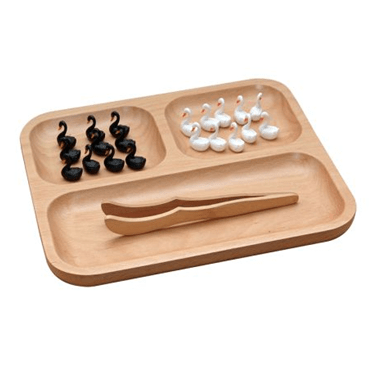
Kid Advanve – Montessori Educational Materials are carefully selected to match a child’s developmental stage and learning needs. Educational toys available across different categories focus on building foundational skills such as problem-solving, coordination, language development, and creativity. From simple puzzles to activity-based toys, each item is designed to promote active engagement and self-learning. These materials are grouped by age ranges and learning areas, making it easier to choose appropriate options for infants, toddlers, and early childhood learners.
Infant and Toddler Learning Toys
For younger children, educational toys focus on sensory exploration and motor skill development. Items such as stacking rings, shape ladders, interlocking discs, and rattles are designed to improve hand-eye coordination and fine motor skills. Toys like sensory tumbling objects and stacking trees encourage children to explore movement, balance, and spatial awareness. These simple yet effective tools help infants and toddlers understand basic concepts through play.
Puzzles and Hands-On Learning Activities
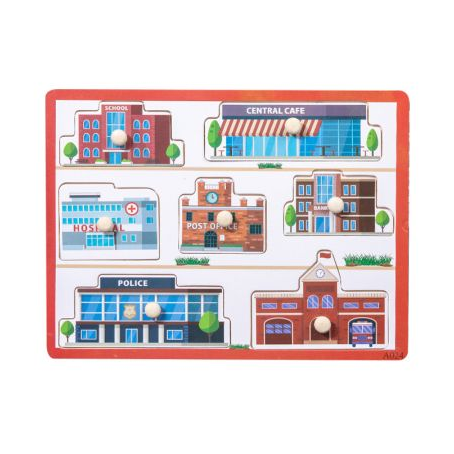
Puzzles are an essential part of Montessori educational materials. Wooden puzzles featuring animals, transportation, daily objects, and shapes help children recognize patterns and improve problem-solving abilities. These activities also enhance memory and concentration, as children learn to match shapes and complete images independently. Threading boards and lacing activities further support coordination and patience, making them valuable additions to a home or classroom setup.
Language and Early Learning Toys
Language development is supported through toys that introduce alphabets, words, and communication skills. Items like alphabet learning sets and hand sign alphabet tools help children connect symbols with sounds and meanings. These toys provide a foundation for reading and writing while making the learning process interactive and enjoyable. By engaging with these materials, children can gradually build confidence in their language abilities.
Math and Cognitive Skill Development
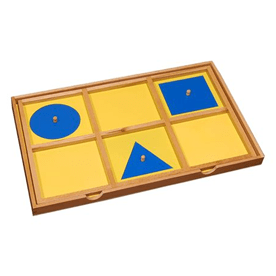
Mathematics-based toys help children understand numbers, counting, and basic arithmetic concepts. Tools such as number charts and counting activities encourage logical thinking and problem-solving. These materials are designed to make abstract concepts more tangible, allowing children to grasp mathematical ideas through hands-on experience.
Science and Exploration-Based Toys
Science-focused educational toys introduce children to the world around them. Items like science sets, thermometers, and solar system models help children explore natural phenomena and develop curiosity. These materials encourage observation, experimentation, and critical thinking, which are essential skills for lifelong learning.
Creative and Pretend Play Materials
Creative play is another important aspect of Montessori learning. Pretend play toys, building sets, and activity-based materials allow children to express themselves and develop imagination. Whether it’s role-playing with everyday objects or constructing shapes and structures, these activities help children understand real-world scenarios while enhancing creativity.
Organizing Learning by Age and Category
Educational toys are categorized based on age groups such as infants, toddlers, and early childhood learners. They are also grouped into different learning areas like puzzles, arts and crafts, building activities, and curriculum support. This structured approach ensures that children receive the right level of challenge and engagement at each stage of their development.
Benefits of Montessori Educational Materials
Using Montessori educational materials offers several advantages. Children develop independence as they interact with toys designed for self-directed learning. They also improve concentration, coordination, and problem-solving skills. Additionally, these materials encourage creativity and curiosity, helping children build a strong foundation for future learning experiences.
FAQs
1. What types of toys are included in Montessori educational materials?
Montessori educational materials include puzzles, stacking toys, lacing activities, science kits, language tools, and pretend play items designed for different age groups.
2. How do educational toys help infants and toddlers?
They support sensory exploration, improve motor skills, and help children understand basic concepts through hands-on play.
3. Why are puzzles important in Montessori learning?
Puzzles help children develop problem-solving skills, improve concentration, and enhance memory through interactive learning.
4. What role do science toys play in early education?
Science toys encourage curiosity, observation, and experimentation, helping children understand the world around them.
5. How are educational toys organized for different age groups?
They are categorized by age ranges and learning areas, ensuring that children receive suitable materials for their developmental stage.
By incorporating the right educational toys into daily activities, parents can create a structured and engaging learning environment that supports a child’s overall growth and development through Montessori principles.

