Introduction to Botany in Montessori Education
Botany in Montessori education introduces children to the study of plants through interactive and hands-on materials. Instead of relying only on theoretical learning, children explore plant structures, forms, and functions using specially designed tools. These materials help learners observe, compare, and understand plant life in a structured and engaging way, making science both meaningful and enjoyable.
Importance of Montessori Botany Materials
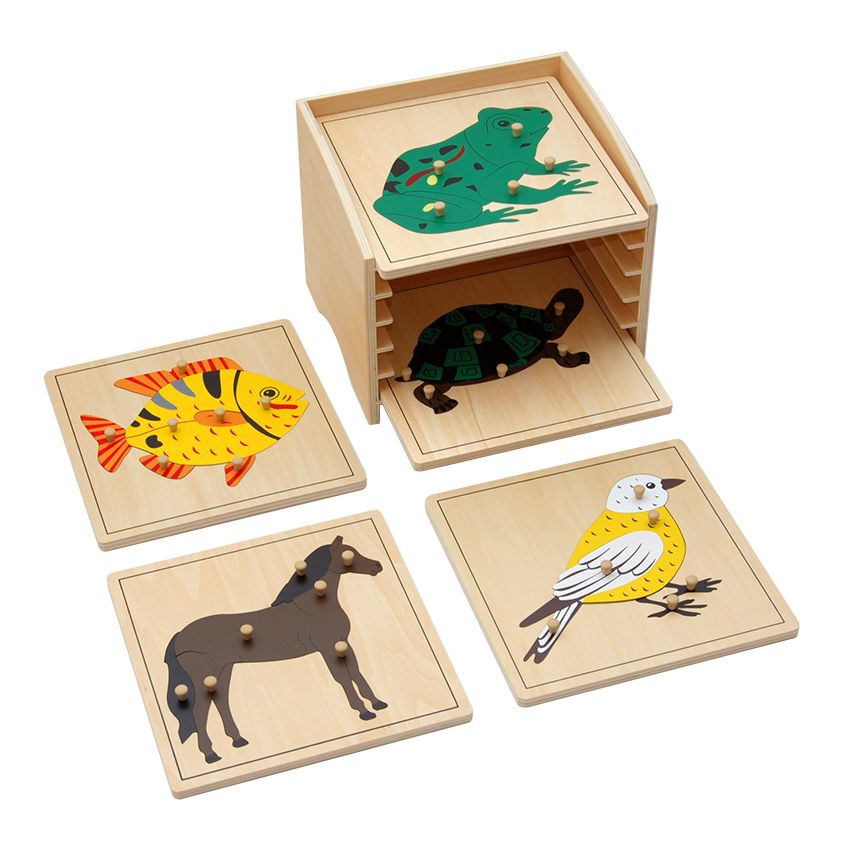
Montessori Botany Materials – Kid Advance are an essential part of the biology category, offering a wide range of tools that help children understand plant structures and concepts. These materials include puzzle cabinets, leaf cabinets, nomenclature cards, and activity sets that focus on different aspects of botany. Items such as botany puzzle cabinets with multiple puzzles and leaf cabinets with insets are designed to teach children about the parts of plants in a clear and visual way. The structured design of these materials allows children to progress from basic identification to deeper understanding of plant biology.
Botany Puzzle Cabinets for Visual Learning
Botany puzzle cabinets are one of the most important tools in this category. These cabinets typically include multiple puzzles that represent different parts of plants, such as leaves, flowers, roots, and trees. By removing and placing puzzle pieces, children learn to identify plant components and understand their structure. This hands-on activity strengthens memory, improves observation skills, and helps children connect visual information with real-world plant features.
Leaf Cabinets and Insets for Detailed Study
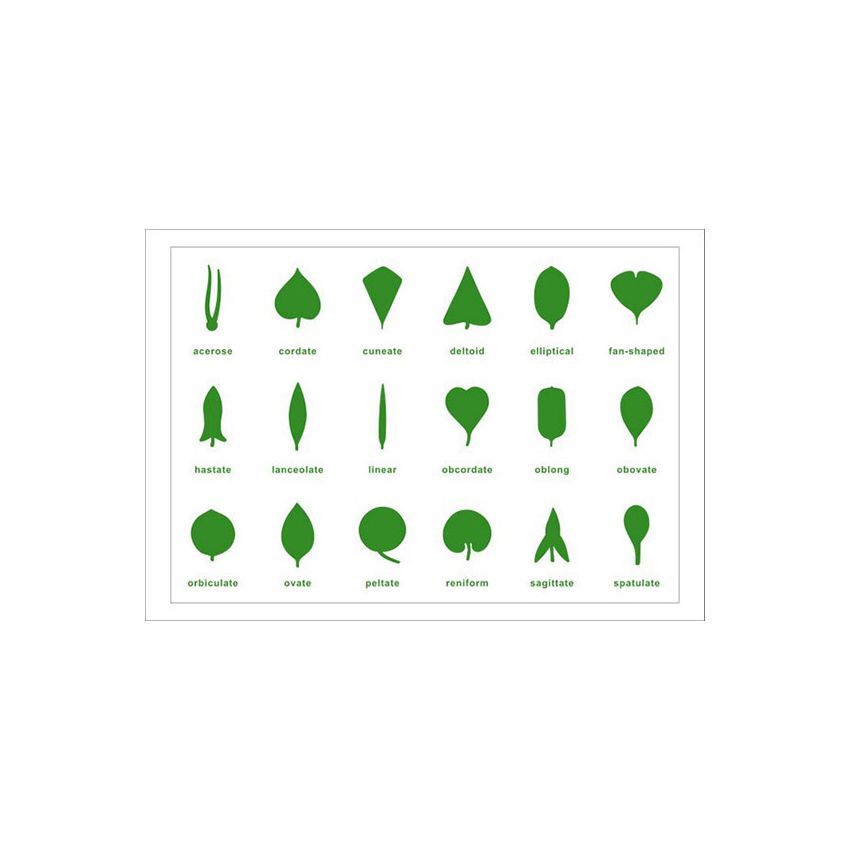
Leaf cabinets with insets provide a deeper exploration of plant forms. These materials allow children to study various leaf shapes and patterns in detail. By working with these insets, children learn to distinguish between different types of leaves and understand their characteristics. This type of activity enhances classification skills and builds a strong foundation for further botanical studies.
Nomenclature Cards for Vocabulary Development
Nomenclature cards are another key component of Montessori botany materials. These cards are used to teach the names and functions of different plant parts. They help children associate visual representations with correct terminology, improving both their scientific vocabulary and comprehension. Control charts are often used alongside these cards to provide guidance and ensure accuracy during learning activities.
Individual Botany Puzzles for Concept Clarity
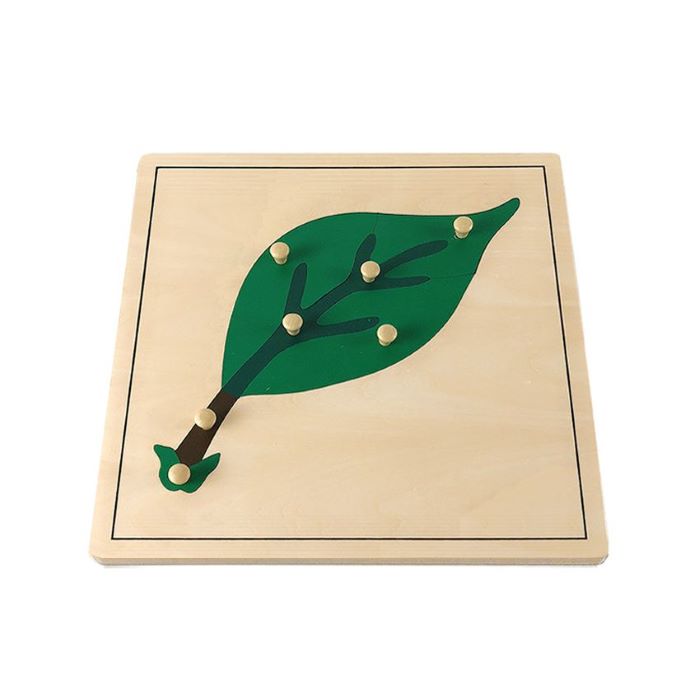
In addition to cabinets, individual puzzles such as leaf, flower, root, and tree puzzles are widely used. These puzzles focus on specific plant parts, allowing children to concentrate on one concept at a time. By repeatedly working with these materials, children develop a clearer understanding of plant anatomy and how different parts function together.
Activity Sets for Interactive Learning
Botany puzzle activity sets provide a combination of different learning tools in one package. These sets encourage children to engage in multiple activities, reinforcing their understanding of plant structures. Through repeated interaction, children build confidence and improve their ability to recall information. Activity-based learning also keeps children motivated and interested in the subject.
Organization and Progression in Botany Learning
Montessori botany materials are organized to support gradual learning. Children typically begin with simple puzzles and move on to more detailed materials such as leaf cabinets and nomenclature cards. This progression ensures that each new concept builds on previously learned knowledge. The structured approach helps children develop a comprehensive understanding of botany while maintaining a steady learning pace.
Benefits of Montessori Botany Materials
Using botany materials in education offers several advantages. These materials improve observation and classification skills by encouraging children to study details closely. They also enhance memory and concentration through repetitive, hands-on activities. Additionally, children develop a deeper appreciation for nature as they learn about plants in an interactive way. This approach not only strengthens scientific understanding but also fosters curiosity and a love for learning.
FAQs
1. What are Montessori botany materials?
They are educational tools such as puzzle cabinets, leaf cabinets, and nomenclature cards used to teach children about plant structures and concepts.
2. What is included in a botany puzzle cabinet?
A botany puzzle cabinet typically includes multiple puzzles representing parts of plants like leaves, flowers, roots, and trees.
3. How do leaf cabinets help children learn?
Leaf cabinets with insets allow children to study different leaf shapes and patterns, improving their classification and observation skills.
4. What are nomenclature cards used for in botany?
They help children learn the names and functions of plant parts by connecting images with correct terminology.
5. Why are Montessori botany materials effective?
They provide hands-on, visual learning experiences that make plant biology easier to understand and remember.
By incorporating structured and interactive tools, botany learning becomes an engaging process that helps children build a strong understanding of plant science while developing essential cognitive skills.

