The Montessori method is recognized for its child-centered approach to education, where learning occurs through exploration, movement, and hands-on experiences. Instead of relying solely on direct instruction, children engage with carefully designed materials that encourage discovery and understanding. These learning tools are arranged in a structured environment that promotes independence, concentration, and self-confidence.
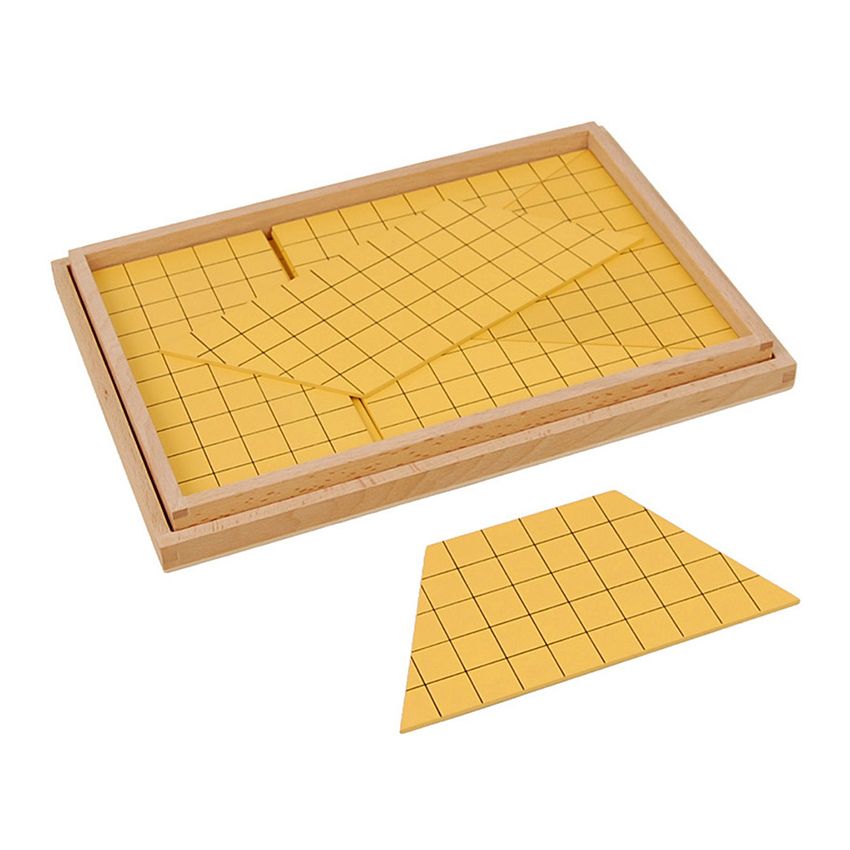
Montessori Materials – Kid Advance are specially developed educational resources that help children learn concepts through direct interaction. Each material has a specific purpose and is introduced in a sequence that matches a child’s developmental stage. By working with these materials, children gain practical skills, improve problem-solving abilities, and build a deeper understanding of academic concepts through experience rather than memorization.
How Montessori Materials Encourage Self-Directed Learning
One of the defining features of Montessori education is allowing children to take an active role in their learning journey. Montessori materials are designed so children can work independently and repeat activities as often as needed. This freedom enables them to master skills at their own pace while developing responsibility for their work.
Many materials include a built-in control of error, which allows children to recognize mistakes without immediate adult assistance. This process encourages critical thinking and persistence while helping learners develop confidence in their abilities.
Materials Designed for Developmental Stages
Montessori materials are selected according to the developmental needs of children. Younger learners are introduced to activities that strengthen movement, coordination, and sensory awareness. As children grow, they encounter materials that support increasingly complex concepts in language, mathematics, and cultural studies.
This progression ensures that learning experiences remain challenging yet achievable. Each activity serves as preparation for future lessons, creating a connected educational pathway that supports continuous growth.
Practical Life Activities and Everyday Skills
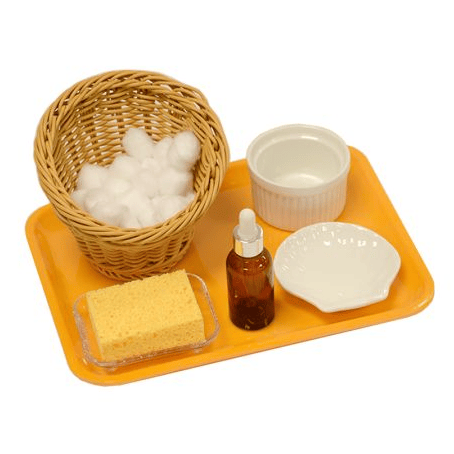
Practical Life materials help children gain independence by teaching skills used in daily routines. These activities focus on real-world tasks that allow children to develop coordination, concentration, and order.

Examples include transferring objects, pouring liquids, polishing items, buttoning frames, and caring for classroom plants. Through these exercises, children strengthen hand-eye coordination and fine motor control while learning valuable life skills. Practical Life activities also help establish work habits that support success in other learning areas.
Sensorial Exploration and Learning
Sensorial materials provide opportunities for children to explore their environment through sight, touch, sound, taste, and smell. These materials help children classify and organize sensory information while improving observation and comparison skills.
Activities involving dimensions, colors, textures, and sounds encourage children to notice differences and similarities. By refining sensory perception, children create a stronger foundation for future academic learning. The experiences gained through Sensorial work often support success in mathematics, language, and scientific observation.
Building Literacy Through Hands-On Materials
Language development is an important component of the Montessori curriculum. Materials are introduced in a sequence that helps children connect spoken language with written symbols.
Children begin by learning letter sounds before progressing to word building and reading activities. Tactile materials allow children to experience letter formation through touch and movement. This multisensory approach strengthens memory and supports natural language acquisition.
As children become more confident readers and writers, additional materials help them explore vocabulary, sentence structure, and grammar concepts. These experiences encourage effective communication and a lifelong interest in language.
Learning Mathematical Concepts Through Concrete Experiences
Mathematics materials help children understand numbers and operations by making abstract ideas visible and tangible. Instead of starting with written equations, children work with objects that represent quantities and mathematical relationships.
Materials introduce concepts such as counting, number recognition, place value, addition, subtraction, multiplication, and division. Through repeated manipulation of these tools, children develop a clear understanding of mathematical principles. This strong conceptual foundation makes it easier for them to transition to abstract calculations later.
Discovering the World Through Cultural Materials
Cultural materials broaden children’s understanding of the world and inspire curiosity about different subjects. These materials introduce geography, biology, history, and physical science in engaging ways.
Geography materials help children identify continents, countries, and landforms. Science-based activities encourage observation of plants, animals, and natural processes. Historical and cultural lessons help children appreciate diverse people, traditions, and environments.
Through these experiences, children gain knowledge about the world while developing respect for nature and global communities.
Benefits of Montessori Materials in the Learning Environment
Montessori materials offer several educational benefits beyond academic development. They encourage concentration, independence, self-discipline, and problem-solving. Because children actively participate in learning, they often develop greater motivation and engagement.
The materials also support individualized learning. Children can spend additional time practicing a concept when needed or move forward when ready. This flexibility allows learning to align with each child’s unique developmental pace.
Creating an Effective Learning Space
A well-prepared environment enhances the effectiveness of Montessori materials. Learning spaces are organized, accessible, and designed with children in mind. Materials are displayed neatly on shelves, allowing children to choose activities independently and return them when finished.
This sense of order helps children develop responsibility and respect for their surroundings. The environment works together with the materials to create meaningful opportunities for exploration and growth.
Conclusion
Montessori materials play a vital role in supporting child development through hands-on learning experiences. By providing opportunities for exploration, independence, and self-correction, these educational tools help children develop academic skills as well as confidence and responsibility. From Practical Life and Sensorial activities to Language, Mathematics, and Cultural studies, Montessori materials create a comprehensive learning experience that nurtures the whole child.
FAQs
1. What makes Montessori materials different from traditional learning tools?
Montessori materials are designed for hands-on learning, self-correction, and independent exploration, allowing children to learn concepts through direct experience.
2. At what age can children begin using Montessori materials?
Many Montessori materials can be introduced during infancy and toddlerhood, with more advanced materials added as children develop new skills.
3. Why do Montessori materials focus on one concept at a time?
Focusing on a single concept helps children understand skills more clearly and reduces distractions during the learning process.
4. How do Montessori materials support independence?
The materials are accessible, self-correcting, and designed for individual use, allowing children to work without constant adult guidance.
5. What subjects can children learn with Montessori materials?
Montessori materials support learning in Practical Life, Sensorial development, Language, Mathematics, Geography, Science, History, and Cultural studies.
 Kid Advance Montessori