The Role of Hands-On Learning in Early Childhood
Children understand ideas more effectively when they can touch, move, arrange, and explore objects on their own. Learning becomes more meaningful when children participate actively instead of simply observing or memorizing information. Activities that involve movement and sensory experiences encourage concentration, confidence, and curiosity while helping children develop important cognitive and physical skills.
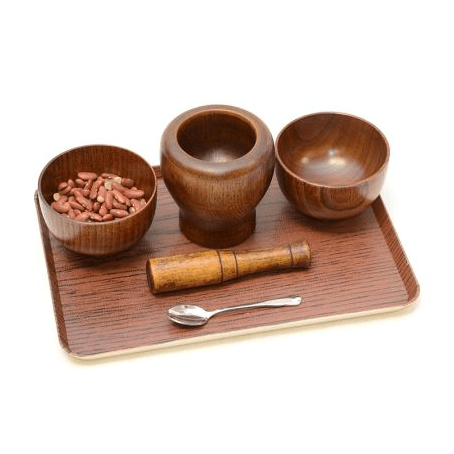
Kid Advance Montessori – Montessori Supplies are specially designed educational tools that introduce one concept at a time and allow children to discover solutions independently. These materials move learning from concrete experiences to abstract understanding while encouraging self-correction and focused exploration. Each supply has a specific purpose within a carefully planned developmental sequence.
Learning One Concept at a Time
One of the defining characteristics of these educational materials is the isolation of difficulty. Rather than presenting multiple challenges simultaneously, each item focuses on a single skill or idea. This approach helps children direct their attention toward mastering one concept before progressing to more advanced work.
Because children are not overwhelmed with unnecessary distractions, they can build understanding gradually and confidently. The process creates a stronger educational foundation and supports long-term retention of knowledge.
Encouraging Independence Through Self-Correction
Many learning materials require constant adult guidance to identify mistakes. Montessori-inspired educational tools work differently by including a built-in control of error. Children can recognize inaccuracies on their own and repeat activities until they achieve success.
This self-correcting approach develops responsibility, perseverance, and problem-solving abilities. Instead of relying on external approval, children begin to trust their own observations and judgment while gaining confidence in their abilities.
Everyday Activities Become Learning Opportunities
Practical activities form the starting point for many early learning experiences. Tasks such as pouring, transferring, dressing activities, and caring for the environment help children develop concentration and coordination while participating in meaningful work.
These exercises strengthen fine motor control and hand-eye coordination while encouraging independence in daily routines. Children often experience pride and satisfaction when they can complete tasks without assistance, which motivates further learning and exploration. Practical life experiences can begin as early as eighteen months of age.
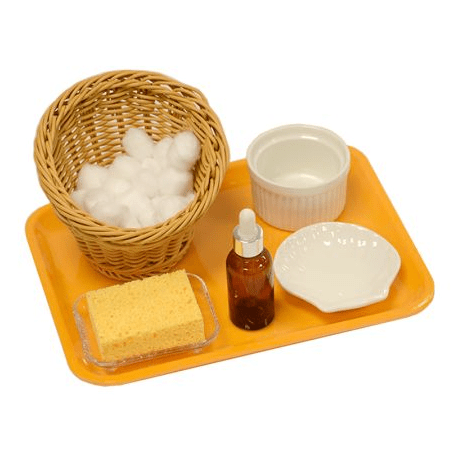
Exploring the World Through the Senses
Sensory experiences help children understand differences in size, color, texture, sound, shape, and weight. Educational materials designed for sensory exploration encourage observation and comparison while helping children organize information gathered from their surroundings.
An important feature of these materials is that only one quality changes at a time. This allows children to focus completely on a single sensory experience without becoming distracted by multiple variables. The skills developed through sensorial activities later support learning in mathematics, language, and science.
Turning Numbers Into Real Experiences
Mathematical understanding develops more naturally when children can physically interact with quantities before working with symbols and equations. Number rods, counting materials, bead activities, and place value exercises help children visualize mathematical relationships.
By handling objects directly, children build a deeper understanding of numbers, operations, fractions, and patterns. This method encourages true comprehension rather than memorization of procedures and formulas. The transition from concrete experiences to abstract thinking becomes smoother and more meaningful.
Strengthening Reading and Writing Skills
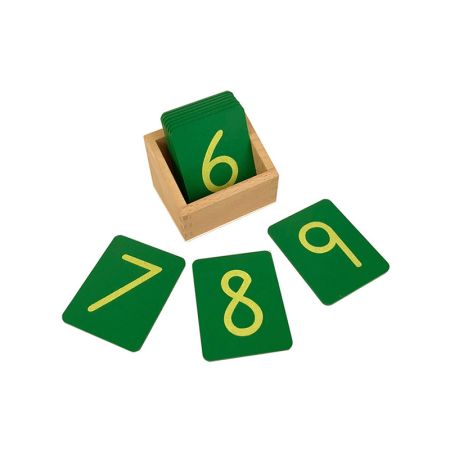
Language development begins with sensory experiences that connect sounds, symbols, and movement. Children often trace textured letters, manipulate alphabets, and explore grammar concepts through visual and tactile materials.
This progression allows children to express ideas in writing before their handwriting skills are fully developed. Grammar and sentence structure also become easier to understand when abstract concepts are represented visually and physically. As a result, children build stronger communication skills and greater confidence in literacy activities.
Discovering Geography, Science, and Nature
Cultural studies introduce children to the larger world through exploration and observation. Geography, botany, zoology, science, and history become accessible through maps, landform activities, and classification materials.
Instead of relying entirely on textbooks, children interact directly with educational tools that make learning engaging and memorable. This process often encourages curiosity and supports scientific thinking from an early age.
Why the Learning Environment Matters
The physical environment plays an important role in encouraging independence and responsibility. Child-sized tables, chairs, and open shelves allow children to access materials without assistance and return them to their proper place after use.
A calm, orderly space promotes concentration and helps children make purposeful choices about their work. Organization within the environment also teaches respect for materials and encourages responsibility for shared spaces.
Choosing Supplies for Different Developmental Stages
Educational materials are most effective when they match a child’s developmental needs and interests. Infants and toddlers benefit from sensory exploration and simple practical activities that strengthen movement and coordination.
Children between three and six years typically explore practical life, language, mathematics, sensorial experiences, and cultural studies simultaneously. Older children continue learning with more advanced materials that bridge concrete understanding and abstract thinking while supporting imagination and reasoning skills.
Creating a Successful Learning Space at Home
A home learning environment does not require hundreds of materials or a separate classroom. Starting with a small number of carefully selected activities often produces better results than offering too many choices at once.
Keeping materials accessible on low shelves and rotating activities periodically helps maintain interest and encourages independent engagement. A simple, organized environment allows children to focus on meaningful work without unnecessary distractions.
Frequently Asked Questions
1. What are Montessori supplies used for?
Montessori supplies are used to help children learn through hands-on experiences while developing independence, concentration, and problem-solving abilities.
2. Can these learning materials be used at home?
Yes, many families use these educational materials at home by selecting activities appropriate for their child’s developmental stage and interests.
3. Which age groups can use Montessori supplies?
These materials support children from infancy through twelve years of age with activities designed for different developmental stages.
4. Why do these materials include self-correction features?
Self-correction encourages children to identify mistakes independently, helping build confidence, responsibility, and critical thinking skills.
5. What is the best way to start using Montessori supplies at home?
Beginning with a small number of age-appropriate materials and rotating them regularly is often the most effective approach for home learning environments.

