A well-prepared Montessori classroom is designed to give children access to purposeful activities that support independence, concentration, exploration, and self-directed learning. The classroom environment is not simply a collection of educational products; each material has a specific purpose and place within the Montessori curriculum.
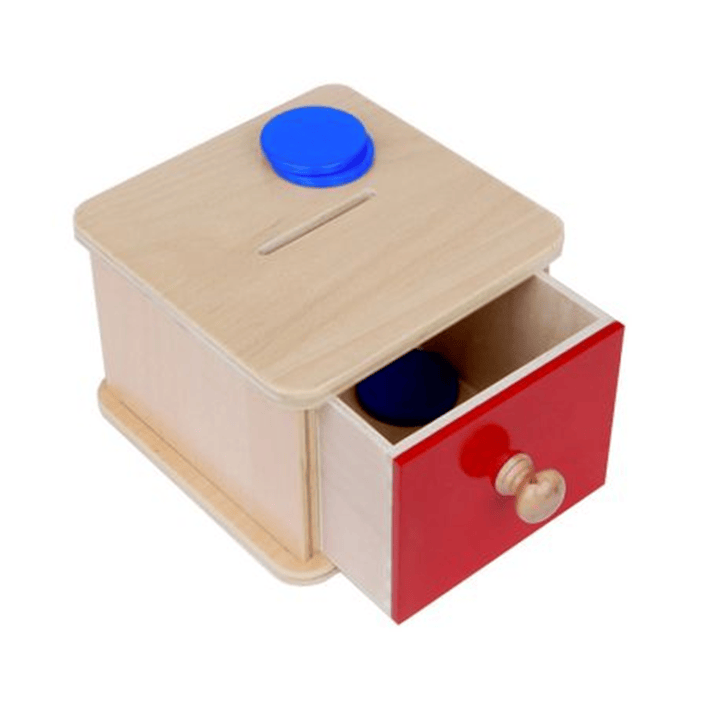
Choosing Kid Advance – Montessori Classroom Supplies can help create an organized learning environment where children can explore concepts through hands-on experiences. Montessori materials are designed to isolate specific concepts, engage the senses, and allow children to recognize and correct their own mistakes. This approach supports learning that progresses from concrete experiences toward more abstract concepts.
Creating a Prepared Montessori Classroom
The physical classroom environment plays an important role in Montessori learning. Low, open shelves allow children to see and access materials independently, while child-sized tables and chairs support comfortable and purposeful work. When materials are accessible and the environment is calm and orderly, children can select activities, complete their work, and develop responsibility for maintaining their surroundings.
A carefully prepared environment should also avoid overwhelming children with too many choices. Materials can be selected according to developmental needs and introduced in a thoughtful sequence. The goal is to provide children with appropriate opportunities for exploration while maintaining an organized and inviting classroom.
Practical Life Materials for Everyday Skills
Practical Life is a foundational area of the Montessori curriculum. Materials in this area provide opportunities for children to practice everyday activities while developing concentration, fine motor control, hand-eye coordination, and independence.
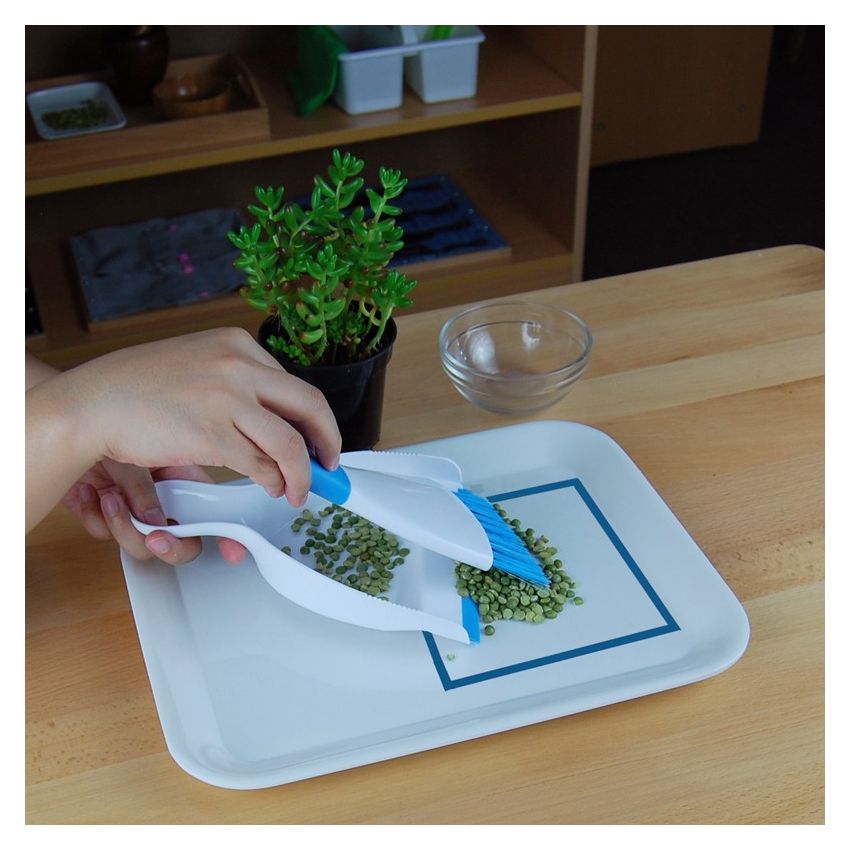
Common Practical Life supplies include pouring sets, dressing frames, and care-of-environment materials. Dressing frames can introduce fastening activities such as buttons, zippers, snaps, and laces. Child-sized sweeping sets and other care-of-environment tools can encourage children to participate in maintaining an orderly classroom.
Sensorial Materials for Hands-On Exploration
Sensorial materials help children explore qualities such as size, weight, color, texture, sound, and shape. These activities encourage children to observe differences directly and develop a more precise understanding of the physical world.
Examples include the Pink Tower, Brown Stair, Knobbed Cylinders, Color Tablets, Geometric Cabinet, and geometric solids. These materials provide structured opportunities for children to compare, classify, observe, and work with different physical characteristics.
Language Materials for Early Literacy
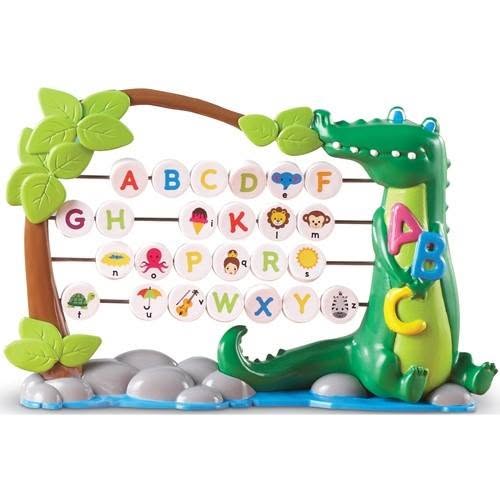
Language materials provide hands-on ways for children to explore letters, sounds, word formation, and early writing. Sandpaper Letters allow children to trace textured letters while connecting visual recognition with tactile movement. Movable Letters can then give children opportunities to arrange letters and construct words.
Sand trays and tracing boards can also support early writing practice by giving children a tactile surface for practicing letters and numbers. These materials combine physical movement with visual and sensory learning.
Mathematics Materials for Concrete Learning
Montessori mathematics materials introduce mathematical concepts through physical objects before children move toward more abstract understanding. Materials available for mathematics include Golden Bead materials, Stamp Games, Checkerboards, Fraction Circles, Bead Cabinets, and Number Rods.
These supplies can be selected according to a child’s developmental stage. For example, younger children can begin with materials that introduce basic quantity and number concepts, while older children can work with materials that connect concrete experiences to more advanced mathematical ideas.
Geography, Culture, and Biology Materials
A Montessori classroom can also include materials that introduce children to geography, culture, and biology. Puzzle Maps, Land and Water Forms, botany materials, zoology materials, and geography resources provide opportunities for children to learn about the world through observation and hands-on activities.
These resources can form part of a broader classroom collection that supports exploration beyond language and mathematics.
Choosing Supplies According to Developmental Needs
The Montessori curriculum is organized around developmental stages, so selecting materials according to the child’s current readiness is important. Materials are available for Infant and Toddler environments, Primary environments, and older children through age 12.
For a classroom serving multiple children, planning the quantity of materials is also important. A complete Montessori classroom for approximately 20–25 children may require multiple sets of frequently used materials so children can work without unnecessary waiting.
Frequently Asked Questions
1. What are Montessori classroom supplies?
Montessori classroom supplies are purpose-built educational materials designed to support hands-on, self-directed learning. They cover areas such as Practical Life, Sensorial, Language, Mathematics, Geography, Culture, and Biology.
2. What are the main areas covered by Montessori materials?
The collection includes materials across core Montessori curriculum areas, including Practical Life, Sensorial, Language, Mathematics, and Geography & Culture, with additional resources for areas such as Biology.
3. What materials can support Practical Life activities?
Practical Life materials include pouring sets, dressing frames, brushing-teeth activities, sweeping sets, and other care-of-environment tools. These activities support independence, concentration, fine motor control, and coordination.
4. How should Montessori materials be organized?
Materials should be accessible, orderly, and placed where children can select and return them independently. Low open shelves and appropriately sized furniture can contribute to a prepared Montessori environment.
5. How many materials does a Montessori classroom need?
The number depends on classroom size, age group, curriculum requirements, and how frequently materials are used. For a classroom of around 20–25 children, multiple sets of frequently used materials may be appropriate so children can work simultaneously.
Conclusion
The right Montessori classroom supplies help transform a classroom into a prepared environment where children can explore, practice, observe, and learn independently. From Practical Life and Sensorial materials to Language, Mathematics, Geography, Culture, and Biology resources, each material can have a defined role within the learning sequence. Thoughtful selection, organization, and age-appropriate presentation can help create an environment that encourages concentration, independence, curiosity, and purposeful learning.
 Kid Advance Montessori