Introduction to Montessori Work Rugs
A thoughtfully prepared learning environment helps children develop concentration, independence, and respect for their surroundings. In a Montessori classroom, children often choose activities from accessible shelves and work individually on a table or on the floor. Keeping each activity organized helps them understand where their work begins and how to maintain an orderly learning space.
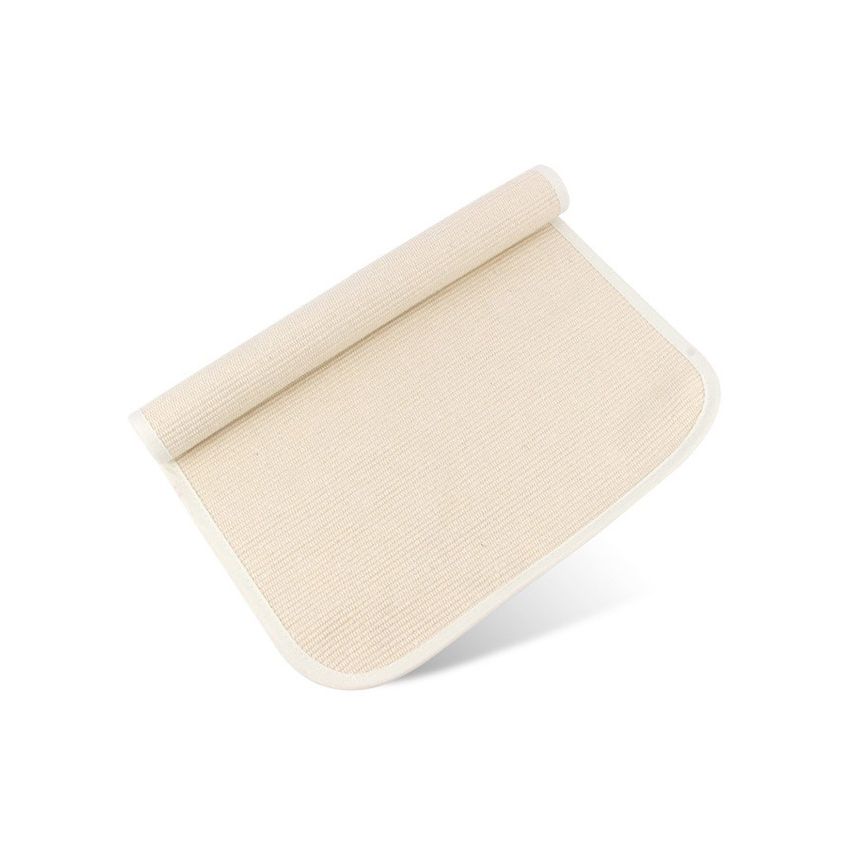
Kid Advance – Montessori Work Rugs are practical classroom accessories that define a child’s individual workspace during learning activities. They provide a designated area for arranging educational materials, help children recognize when another learner is using a space, and support the orderly habits encouraged in Montessori environments. Available in different sizes, work rugs can accommodate a range of activities while helping children establish a consistent routine for selecting, completing, and putting away their work.
Why Work Rugs Are Important in a Montessori Environment
Montessori education places importance on a prepared environment where children can make choices and work independently. A work rug contributes to this environment by creating a clear boundary around an activity. Instead of spreading materials across a shared floor, children can arrange their work within a defined area.
This simple routine also encourages consideration for others. When a rug is in use, it signals that a child is working there, helping classmates recognize personal workspace and avoid disturbing ongoing activities. After finishing, the child can gather the materials and return them to their designated storage places.
Work rugs therefore serve a practical purpose beyond providing a surface. They help reinforce order, independence, and respect for shared classroom spaces.
Different Sizes of Montessori Work Rugs
Choosing an appropriate rug size depends on the child’s activity, the materials being used, and the available classroom space. The product collection includes several dimensions suited to different working needs.
1. Small Work Rugs for Compact Activities
Small work rugs measuring approximately 24 × 16 inches provide a defined area for compact learning materials. Their size can suit activities involving smaller objects or resources that do not require extensive floor space.
These rugs can be useful in classrooms where several children work simultaneously. Their compact dimensions make it easier to establish individual work areas without occupying too much of the available space.

2. Medium Work Rugs for Flexible Activities
Medium work rugs are available in sizes such as 31 × 24 inches and 31.5 × 23.5 inches. These dimensions provide additional room for arranging materials while maintaining a clearly defined workspace.
A medium rug may be suitable for activities that require several related pieces to be placed together. It can also offer flexibility for children who need more room than a small rug provides.
Teachers should consider the dimensions of frequently used materials before selecting a size.
3. Large Work Rugs for Bigger Materials
Large work rugs measuring approximately 43 × 27 inches provide a wider working surface. The additional space can accommodate larger educational materials or activities involving multiple pieces that need to remain organized together.
A larger rug can help children keep the components of an activity within a single boundary. However, educators should consider classroom layout and available floor space when choosing larger sizes.
4. Classroom Work Rugs for Shared Learning Environments
Classroom work rugs measuring approximately 24 × 16 inches are also listed in the product collection. These can help educators establish individual working areas within classrooms where multiple learners participate in activities at the same time.
The most suitable option depends on the children’s needs, the materials used, and the number of available workspaces.
How Montessori Work Rugs Support Children’s Development
Encouraging Concentration
A clearly defined workspace helps children focus on the activity in front of them. Keeping learning materials within the rug’s boundaries can reduce unnecessary spreading of objects and make it easier to see the complete activity.
Building Independence
Children can learn a consistent sequence: choose a material, collect a rug, arrange the activity, complete the work, and return everything to its proper place. Repeating this routine helps develop responsibility and independence.
Teaching Respect for Others
A rug communicates that a particular space is being used. This visual signal helps other children recognize an ongoing activity and encourages consideration for classmates’ work.
Developing Orderly Habits
Returning a rug after use and keeping materials within its boundaries reinforce the importance of maintaining an organized environment. These habits align with the Montessori emphasis on caring for learning materials and shared spaces.
How to Choose the Right Montessori Work Rug
Before selecting a work rug, consider the following factors:
- Size of learning materials: Ensure the rug provides enough room for all pieces of the activity.
- Available classroom space: Choose dimensions that allow children to work comfortably without obstructing walkways.
- Number of learners: Plan enough working areas for children to participate without unnecessary disruption.
- Ease of handling: Select a rug that children can manage and put away as part of their routine.
- Classroom organization: Consider how the rugs will be stored and accessed when not in use.
The available product collection includes small, medium, large, and classroom working rugs. Comparing their dimensions with the intended activities can help educators make a suitable choice.
Maintaining Work Rugs in a Montessori Classroom
A regular care routine helps keep work rugs ready for everyday use. Educators should follow the manufacturer’s cleaning instructions, inspect rugs periodically, and store them neatly when they are not being used.
Children can participate in age-appropriate classroom routines by rolling or carrying rugs carefully and returning them to their designated storage area. Teachers should demonstrate the correct procedure and provide assistance when needed.
Maintaining clear storage arrangements also makes it easier for children to access rugs independently and return them after completing their activities.
Conclusion
Montessori work rugs are a small but purposeful part of an organized learning environment. By defining individual workspaces, they help children arrange educational materials, concentrate on activities, and respect the work of others. Different sizes provide flexibility for compact exercises and larger learning materials.
When educators select appropriate dimensions and introduce consistent routines for using and storing rugs, these simple classroom accessories can contribute to independence, responsibility, and an orderly approach to learning.
Frequently Asked Questions About Montessori Work Rugs
1. What are Montessori work rugs used for?
Montessori work rugs define an individual workspace where children can arrange and use educational materials. They help establish boundaries for activities and support an orderly learning environment.
2. What sizes of Montessori work rugs are available?
The referenced collection includes small rugs measuring approximately 24 × 16 inches, medium options measuring around 31 × 24 inches or 31.5 × 23.5 inches, and large rugs measuring approximately 43 × 27 inches.
3. How do work rugs encourage independence?
Work rugs help children follow a consistent routine of selecting a workspace, arranging materials, completing an activity, and returning everything to its designated place.
4. How do Montessori work rugs help children respect others?
A rug signals that a child is using a particular area for an activity. This helps classmates recognize the workspace and encourages them to avoid interrupting ongoing work.
5. How should I choose a Montessori work rug?
Consider the size of the learning materials, the available floor space, the child’s ability to handle the rug, and the classroom’s organization. Choose a size that accommodates the activity comfortably while keeping the workspace manageable.

