Introduction to Montessori Materials
Early childhood is an important stage for developing independence, concentration, creativity, and problem-solving skills. Children learn effectively when they can explore their surroundings, handle objects, and participate in meaningful activities. A well-organized learning environment provides opportunities for children to develop these abilities at their own pace while building confidence through practical experiences.
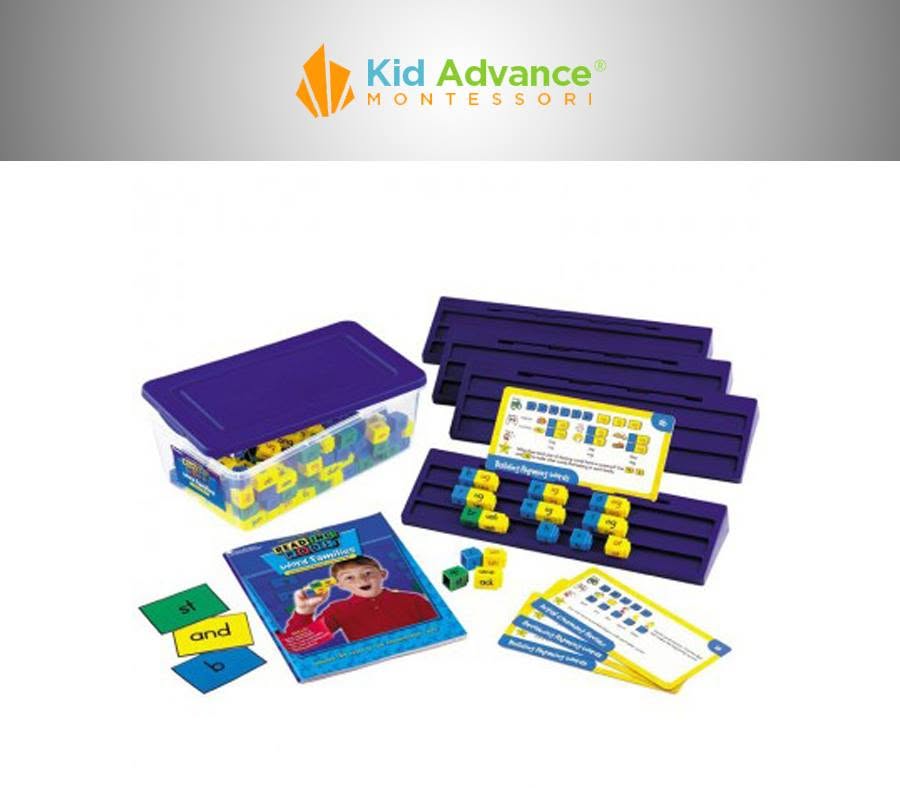
Kid Advance – Montessori Materials are purpose-built educational tools that help children understand concepts through hands-on activities, sensory exploration, and independent practice. Each material introduces specific concepts and encourages children to discover, learn, and correct mistakes through experience. These resources cover practical life activities, sensory development, mathematics, language, geography, and cultural learning for children from infancy through age 12.
Understanding the Importance of Montessori Learning Materials
Montessori education emphasizes learning through direct experience rather than relying entirely on verbal instructions or memorization. Educational materials are designed to introduce concepts gradually, allowing children to move from simple activities to more complex tasks as their skills develop.
Many Montessori materials include a control of error, which helps children recognize mistakes and attempt corrections independently. This approach encourages self-confidence, concentration, patience, and logical thinking. By repeating activities and working at their own pace, children can develop a deeper understanding of concepts while building essential skills for future learning.
Different Types of Montessori Materials
1. Practical Life Materials for Everyday Skills
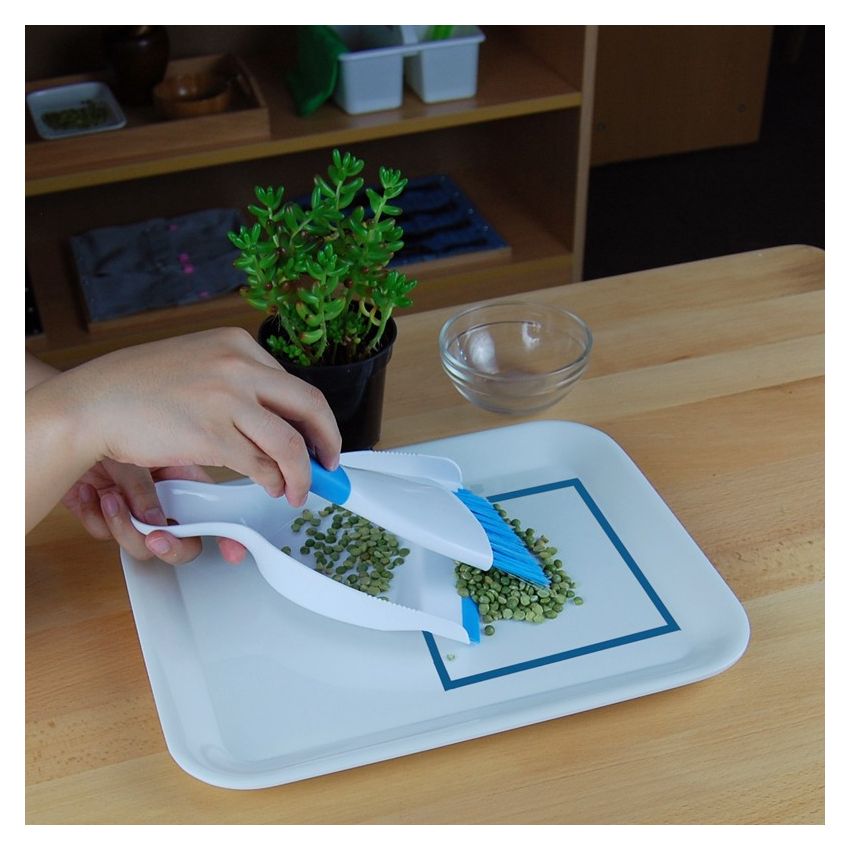
Practical Life materials introduce children to activities based on everyday routines. Pouring sets, dressing frames, and tools for caring for the environment allow children to practise tasks independently while developing coordination and concentration.
These activities also help strengthen fine motor skills and hand-eye coordination. Children learn to handle objects carefully, follow sequences, and take responsibility for their surroundings. Practical Life activities are particularly useful for introducing young learners to purposeful work because they connect educational experiences with familiar daily tasks.
2. Sensorial Materials for Sensory Development
Sensorial materials help children explore differences in size, shape, colour, weight, texture, and sound. Examples include the Pink Tower, Brown Stair, Knobbed Cylinders, and Color Tablets.
Each material focuses on particular sensory qualities, encouraging children to observe, compare, sort, and classify objects. These activities help develop sensory awareness and descriptive vocabulary while preparing children for more advanced concepts in mathematics, language, and science.
By handling and arranging materials, children gain opportunities to understand similarities and differences through direct experience rather than simply listening to explanations.
3. Mathematics Materials for Understanding Numbers
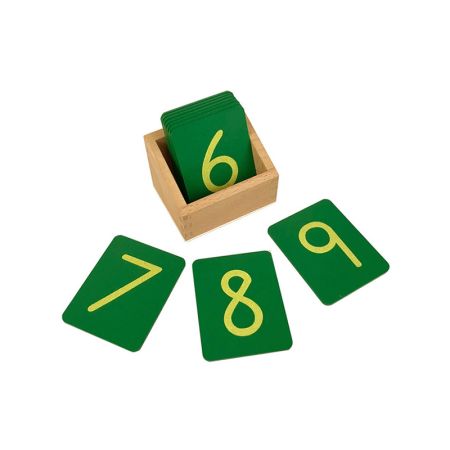
Montessori mathematics materials introduce numerical concepts through tangible objects that children can count, move, and arrange. Number Rods and Sandpaper Numbers help connect quantities with number symbols, while Golden Bead materials introduce place value and mathematical operations.
The Stamp Game, Checkerboard, and Fraction Circles support further exploration of arithmetic and fractions. These materials allow children to understand mathematical relationships through practical activities before progressing towards abstract calculations.
This gradual approach helps make mathematical learning more meaningful and encourages children to develop logical reasoning and problem-solving abilities.
4. Language Materials for Reading and Writing
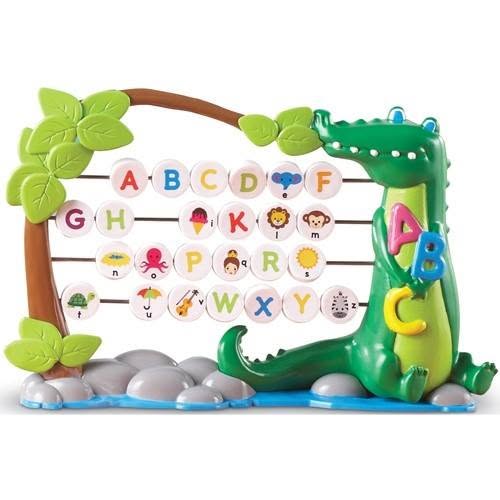
Language materials help children develop early literacy skills through visual, tactile, and hands-on experiences. Sandpaper Letters allow children to trace letter shapes while connecting them with sounds. The Movable Alphabet enables children to arrange letters and form words, even before their handwriting skills are fully developed.
Grammar Symbol sets introduce sentence structure through visual representations. These resources help children explore sounds, letters, words, and grammar in a structured sequence.
With regular practice, children can strengthen their communication skills and develop a foundation for reading, writing, spelling, and understanding language.
5. Geography and Cultural Learning Materials
Geography and cultural materials introduce children to the physical world, living organisms, history, and human cultures. Puzzle Maps help children explore continents and geographical locations, while Land and Water Form trays demonstrate different physical features of the Earth.
Botany and Zoology materials, including classified cards, encourage children to identify plants, animals, and other aspects of the natural world. These resources promote curiosity, observation, and an interest in the environment.
Through hands-on exploration, children can organize information, recognize relationships, and develop a broader understanding of the world around them.
Choosing Montessori Materials for Different Age Groups
Choosing appropriate materials begins with understanding a child’s developmental stage, abilities, and interests. Infants and toddlers aged 0–3 can benefit from simple sensory activities, cause-and-effect materials, and basic practical life experiences.
Children aged 3–6 can explore a wider selection of Practical Life, Sensorial, Language, Mathematics, and Cultural materials. These activities support independence, sensory development, and early academic learning.
For children aged 6–12, more advanced mathematics, language, geography, history, and science materials help connect concrete experiences with abstract concepts.
Age recommendations are useful guidelines, but individual development varies. Selecting materials that match a child’s current abilities can help maintain interest and encourage gradual progress.
Creating a Montessori Learning Environment at Home or School
A prepared learning environment makes it easier for children to choose activities and work independently. Low, open shelves, child-sized furniture, and clearly arranged materials help create an accessible and organized space.
Parents do not need to purchase a large collection immediately. Starting with four to six suitable materials and rotating them as a child’s interests develop can help maintain engagement without overwhelming the learning space.
In classrooms, educators can organize resources by curriculum area and developmental level. Demonstrating how to use a material before allowing independent practice can help children understand the activity while encouraging exploration.
Keeping materials organized and returning them to their designated places also helps children develop responsibility and respect for their learning environment.
Conclusion
Montessori materials offer children meaningful opportunities to learn through hands-on experiences and independent exploration. Practical Life resources support everyday skills, Sensorial materials strengthen observation, and Mathematics and Language tools establish important academic foundations. Geography and cultural resources further encourage curiosity about the natural and human world.
By selecting appropriate materials and creating an organized learning environment, parents and educators can encourage concentration, coordination, confidence, and problem-solving. A carefully chosen collection of learning tools can help children develop essential skills while progressing according to their individual needs.
Frequently Asked Questions About Montessori Materials
1. What are Montessori Materials?
Montessori materials are educational tools designed to support hands-on learning, sensory exploration, and independent practice. They cover areas such as Practical Life, Sensorial development, Mathematics, Language, Geography, and Cultural Studies.
2. Can Montessori materials be used at home?
Yes, Montessori materials can be used at home to encourage independent learning. Parents can begin with a few age-appropriate resources, arrange them on accessible shelves, and provide opportunities for children to explore activities safely.
3. What age groups can use Montessori materials?
Montessori materials are available for children from birth through age 12. Different resources support infants and toddlers aged 0–3, primary learners aged 3–6, and elementary learners aged 6–12.
4. How do Montessori materials support child development?
These materials encourage concentration, coordination, sensory awareness, independence, and problem-solving. Many also help children identify and correct mistakes through practice, allowing them to develop confidence in their abilities.
5. How can I choose the right Montessori materials for my child?
Consider your child’s age, developmental stage, interests, and current abilities. Practical Life activities can be a useful starting point, followed by appropriate Sensorial, Mathematics, Language, and Cultural materials as the child progresses.

