Essential Montessori Classroom Supplies: What You Need to Foster Independent Learning

Creating the ideal learning environment for young children involves more than just providing books and traditional teaching tools. When it comes to Montessori education, the right materials and resources are critical in helping children explore their independence and creativity. Montessori classrooms focus on hands-on learning, self-discovery, and fostering a love for education, and the key to making this approach successful is choosing the right Montessori classroom supplies.

Kid Advance Montessori classroom supplies are not only designed to help children learn but also to promote their development in a manner that encourages exploration and problem-solving. In this article, we will explore the essential Montessori classroom supplies that every teacher or educational institution should consider when setting up a Montessori-based learning environment.

Understanding the Montessori Method and Its Unique Approach

The Montessori method, developed by Dr. Maria Montessori, emphasizes self-directed learning and aims to create a classroom that nurtures each child’s natural development. The goal is for children to become self-motivated learners who are engaged and enthusiastic about acquiring new knowledge. For this approach to work effectively, it is essential to have the right materials and Montessori classroom supplies that align with the principles of the method.

One of the core elements of the Montessori philosophy is the idea of providing children with a wide range of age-appropriate, hands-on materials that allow them to engage in independent exploration. This is why choosing Montessori classroom supplies that encourage tactile learning experiences is key to creating a successful environment.

Key Montessori Classroom Supplies for Every Learning Area

1.     Practical Life Materials:

The Montessori curriculum begins with practical life activities, which teach children basic life skills and independence. Montessori classroom supplies in this category include materials for activities like pouring, sorting, sweeping, dressing frames, and buttoning. These activities help children develop fine motor skills, concentration, and independence.

2.     Sensorial Materials:

Montessori believes that young children learn best through their senses. The sensorial materials are designed to help children refine their sensory perceptions. These materials include things like color tablets, sound boxes, and texture boards. By engaging with these materials, children learn about size, shape, texture, and sound while honing their ability to make observations and comparisons.

3.     Mathematics Materials:

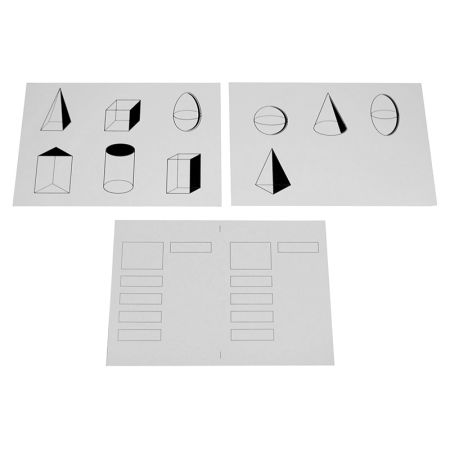
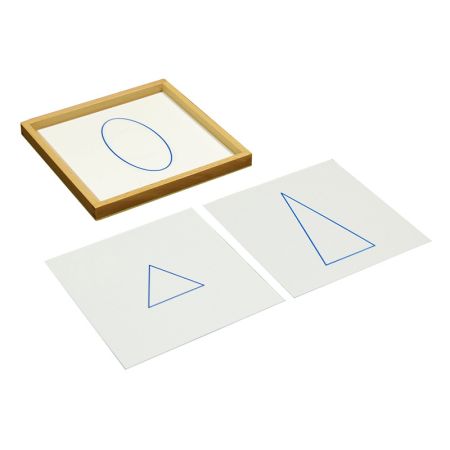
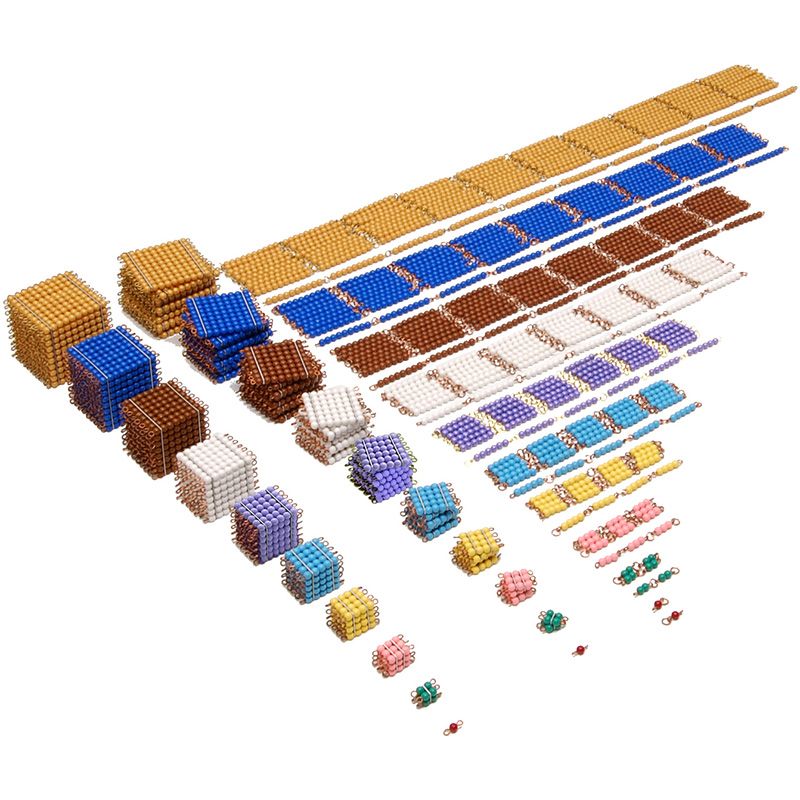
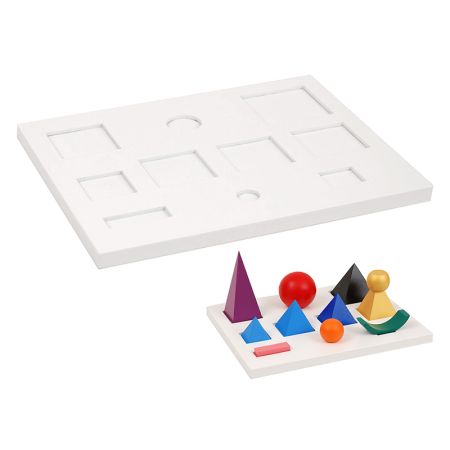
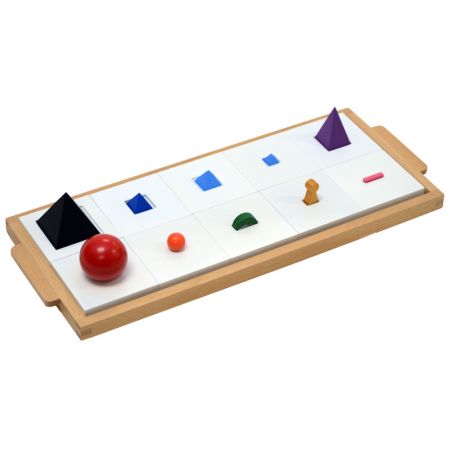
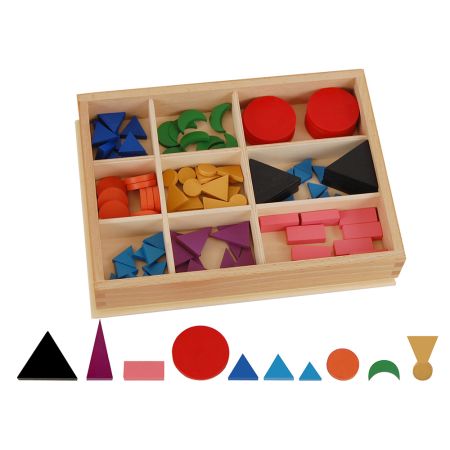
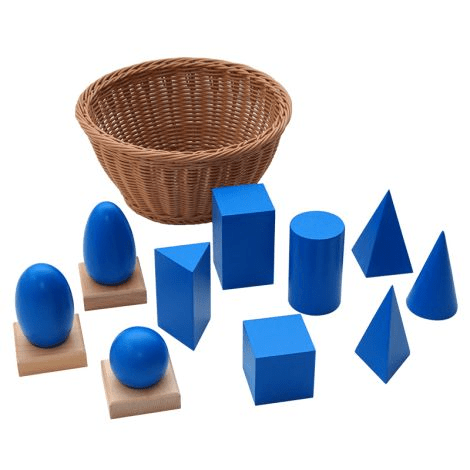
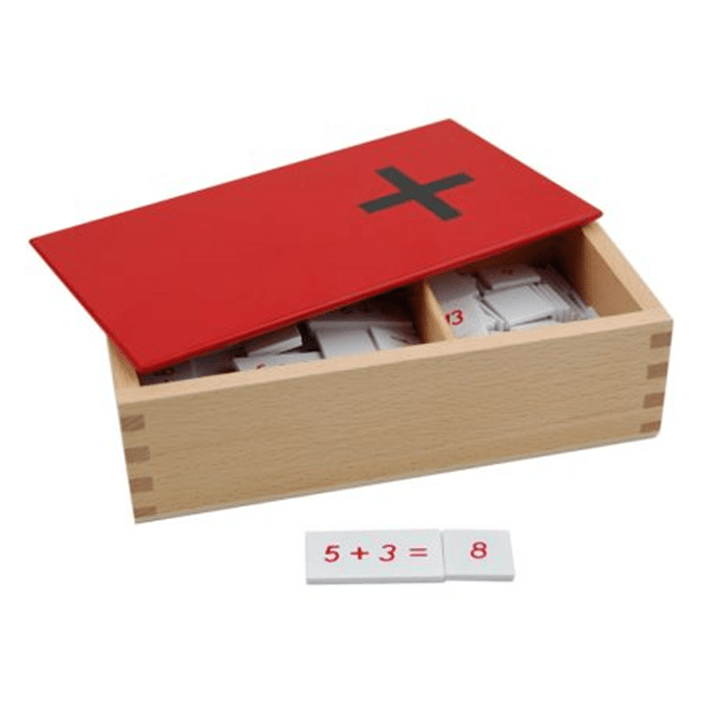
Montessori offers a variety of math-based materials that are tactile and designed to introduce mathematical concepts in an engaging way. These materials often include things like number rods, golden beads, and geometric shapes. By manipulating these objects, children are able to visualize math concepts, which makes abstract ideas like counting, addition, and subtraction much easier to understand.

4.     Language Materials:

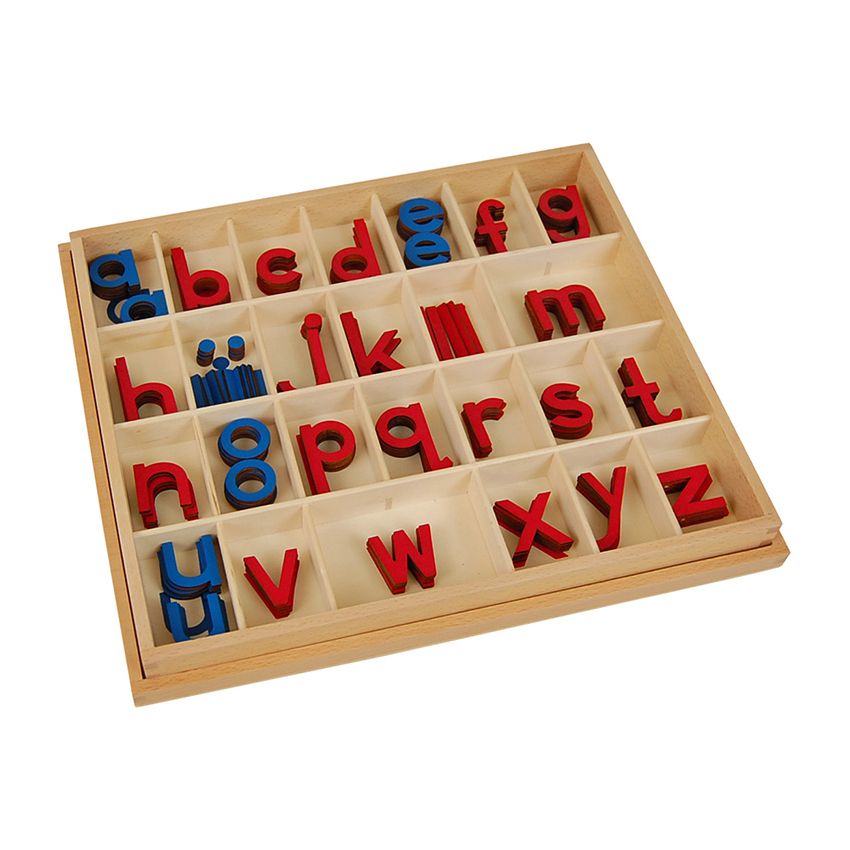
Language development is also a key focus in Montessori education. Montessori classroom supplies that support language learning include sandpaper letters, moveable alphabet sets, and phonetic word cards. These materials allow children to explore the connection between letters and sounds, which forms the foundation for reading and writing.

5.     Cultural and Geography Materials:

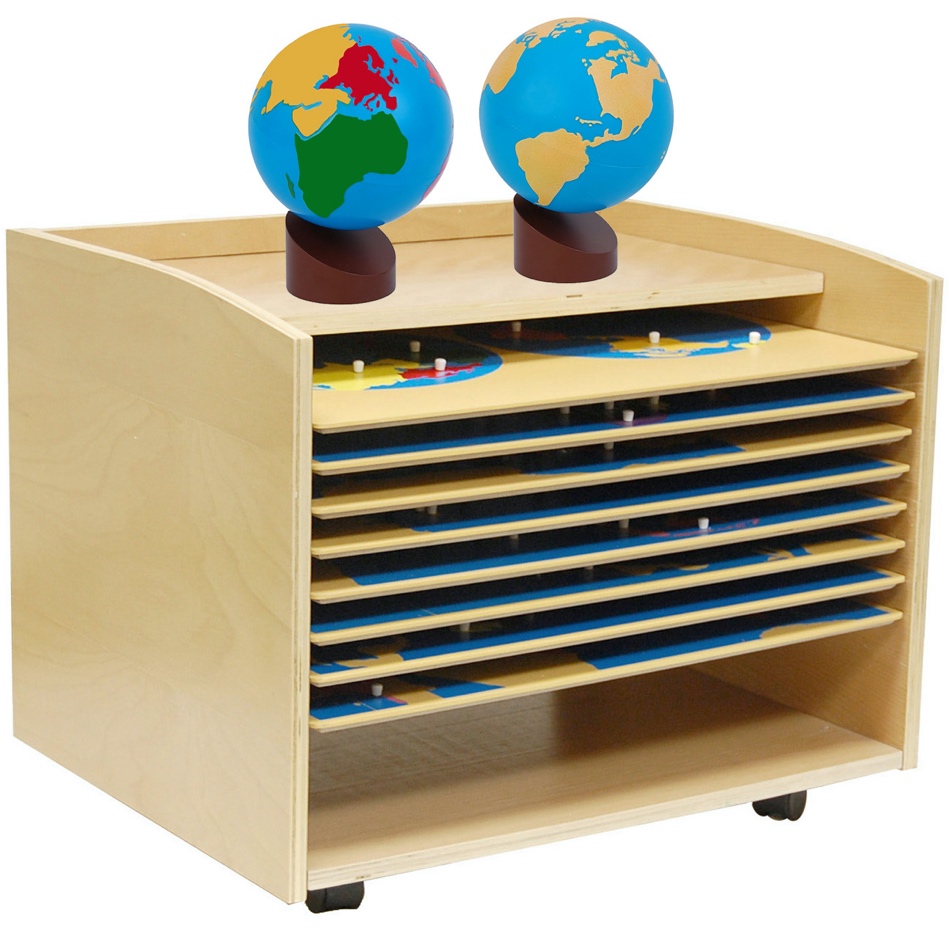
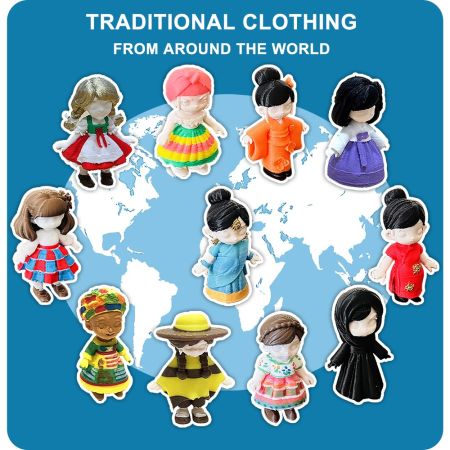
Montessori classrooms also emphasize learning about different cultures and the world around us. Materials in this area include globes, maps, and cultural objects. These Montessori classroom supplies are designed to introduce children to geography, history, and different cultural traditions in a hands-on and interactive way.

The Importance of Choosing Quality Montessori Classroom Supplies

When it comes to Montessori classroom supplies, quality matters. The materials should be durable, safe, and designed to withstand the hands-on nature of Montessori learning. Many Montessori materials are made of natural wood, which not only aligns with the philosophy of respect for nature but also provides a tactile experience that plastic or synthetic materials cannot match.

Choosing Montessori classroom supplies that are thoughtfully designed and constructed can have a lasting impact on a child’s learning experience. It is essential to invest in high-quality, age-appropriate materials that stimulate curiosity, creativity, and independent thinking.

FAQs about Montessori Classroom Supplies

1.     What are the most essential Montessori classroom supplies?

The most essential Montessori classroom supplies include practical life materials (like dressing frames and pouring activities), sensorial materials (like color tablets and sound boxes), math materials (such as golden beads), language materials (like sandpaper letters), and cultural or geography materials (like maps and globes).

2. How do Montessori classroom supplies promote independence?

Montessori classroom supplies encourage children to explore and learn at their own pace. Materials are designed to be self-correcting, meaning children can engage with them independently, solve problems, and correct mistakes on their own, which builds their confidence and self-reliance.

3. Can Montessori classroom supplies be used at home?

Yes, many Montessori classroom supplies are ideal for use at home. Parents can use these materials to create a Montessori-inspired learning environment in their homes, fostering creativity and independent learning in their children. There are a variety of affordable options available for parents who want to implement Montessori practices outside of school.

4. Are Montessori materials expensive?

While some Montessori materials can be expensive, there are ways to find affordable options or even create your own materials. Many schools and parents invest in quality Montessori materials because they are durable and provide a long-lasting educational benefit. The initial investment is often worth it in the long run, as these materials can be used by multiple children over many years.

Conclusion

Investing in high-quality Montessori classroom supplies is a crucial step in creating an environment that supports independent learning, creativity, and the development of essential skills in children. From practical life and sensorial materials to math and language resources, each supply serves a specific purpose in fostering growth and self-motivation in young learners. When set up thoughtfully, these materials not only help children grasp academic concepts but also encourage them to take ownership of their education.

By carefully choosing the right Montessori classroom supplies, educators and parents can ensure that children have the tools they need to develop into confident, capable, and curious individuals who are prepared for success in both school and life.

Resource: https://kidadvancemontessori.blogspot.com/2025/04/Essential-Montessori-Classroom-Supplies-What-You-Need-to-Foster-Independent-Learning.html

The Fascinating World of Pink Towers: A Stunning Architectural Marvel

The world of architecture is filled with stunning structures that inspire awe and admiration, from ancient wonders to modern-day skyscrapers. Among these architectural marvels, the Pink Tower stands out for its striking beauty and unique design. This captivating structure is a perfect blend of artistic expression and functional architecture. But what makes a Pink Tower so remarkable? In this blog, we will explore the history, design, and significance of the Pink Tower, along with the stories that make it a celebrated feature in the world of architecture.

What Is a Pink Tower?

Kid Advance Pink Tower is a type of structure that is designed with distinct pink hues, either in the building materials or the external surface treatments. These towers can vary in design from sleek, modern skyscrapers to more traditional, historical buildings. Often, the pink color is achieved through the use of specific stone, brick, or painted exteriors. The presence of this unique shade gives these buildings a soft, inviting appearance, and the color pink is often associated with femininity, love, and tranquility.

Pink Tower

However, a Pink Tower can be more than just visually appealing. The use of this color in architecture can symbolize peace, creativity, and luxury. Some Pink Towers are built in places where they serve a specific purpose, such as in the field of education, art, or even as a commercial hub.

The Symbolism Behind Pink Towers

Colors have long been used in architecture to convey messages and meanings. In the case of the Pink Tower, its use of pink is deeply symbolic. The color pink is often tied to softness and compassion, but it also has strong ties to creativity and inspiration. In some cultures, the pink hue is a representation of hope and renewal, making the Pink Tower an important landmark for both its beauty and the meaning it holds for the communities it serves.

For example, in some parts of the world, pink buildings are built in honor of major life events such as weddings or important cultural festivals. The choice of color can be a tribute to the harmony and unity that are celebrated through those events. For others, a Pink Tower might be a focal point for artistic creativity, serving as a canvas for an architect’s vision or as an iconic landmark within the city.

Pink Tower

Design Features of a Pink Tower

The design of a Pink Tower can vary widely, with each structure featuring its own unique characteristics. However, many share common design elements, such as the use of natural or locally sourced materials to highlight the softness of the pink hues. The materials can range from sandstone to marble, with some Pink Towers also featuring glass panels to create a modern, sleek aesthetic. This design choice not only emphasizes the building’s beauty but also contributes to its overall energy efficiency and sustainability.

Many Pink Towers are designed to integrate seamlessly with their surrounding environment. Whether they are situated in a bustling city center or a tranquil rural landscape, their pink exteriors create a sense of serenity and elegance that stands out without overwhelming the surroundings. In urban environments, a Pink Tower might serve as a symbol of modern progress, showcasing a blend of old-world charm and new-world innovation.

Pink Tower: A Blend of Tradition and Modernity

While Pink Towers are often seen as modern constructions, many have traditional roots. In some cases, the design incorporates cultural and historical elements that reflect the heritage of the region in which the tower is located. For example, a Pink Tower might incorporate motifs or architectural styles from a particular culture, creating a building that blends tradition with contemporary trends.

The ability to blend tradition with modernity is what makes Pink Towers so appealing to architects and designers around the world. Whether they are built in a historical city or a modern metropolis, these towers stand out because they bridge the gap between the past and the present.

Pink Tower

FAQs About Pink Towers

1.    What is a Pink Tower?

A Pink Tower is a structure that features pink hues either in the building material or exterior. It can vary from a historical landmark to a modern skyscraper, but the distinctive pink color is a defining feature.

2.    What is the significance of the color pink in architecture?

Pink is a color associated with softness, compassion, creativity, and peace. It is often used in architecture to convey these attributes and create a serene atmosphere for the building and its surroundings.

3.    Where can I find a Pink Tower?

Pink Towers can be found in various parts of the world, including both urban and rural settings. They are common in regions where cultural festivals or symbolic events are celebrated, and where the design aesthetic is centered around soft, calming hues.

4.    Why are Pink Towers becoming more popular?

The popularity of Pink Towers is due to their striking beauty, the symbolism of the pink color, and the blend of traditional and modern design elements. Their appeal lies in their ability to stand out while blending harmoniously with their surroundings.

5.    Are Pink Towers energy-efficient?

Many modern Pink Towers are designed with energy efficiency in mind, utilizing sustainable materials and design techniques. The use of glass panels, solar power, and other eco-friendly features helps make these buildings both beautiful and sustainable.

Conclusion

In conclusion, the Pink Tower is an architectural marvel that captivates the imagination. Its striking design, symbolic meaning, and ability to merge tradition with modernity make it a standout feature in the world of architecture. Whether it’s serving as a cultural symbol, an artistic expression, or a modern skyscraper, the Pink Tower is a reminder of the power of color, creativity, and design in shaping the buildings that define our cities.

Resource: https://kidadvancemontessori.blogspot.com/2025/04/The-Fascinating-World-of-Pink-Towers-A-Stunning-Architectural-Marvel.html

Affordable Montessori Materials for Home-Based Learning

Introduction

Creating a Montessori-inspired learning environment at home doesn’t have to be expensive. Many parents believe that setting up a Montessori space requires costly materials, but there are plenty of affordable options available. By choosing the right resources and implementing simple strategies, you can provide a structured yet flexible learning experience for your child without breaking the bank.

Why Choose Montessori for Home Learning?

Montessori education focuses on fostering independence, hands-on learning, and self-paced progress. When children engage with practical, real-world activities, they develop problem-solving skills and a love for learning. A home-based Montessori setup allows children to explore and grow in a comfortable, personalized environment.

Essential Montessori Materials for Home

When selecting Montessori Materials for Home, consider tools that support fine motor development, sensory exploration, and early literacy and math skills. Some affordable yet effective options include Kid Advance materials, which offer high-quality, budget-friendly Montessori tools designed to enhance hands-on learning experiences.

·         Practical Life Tools – Child-sized brooms, sponges, and pouring cups help develop coordination and independence.

·         Sensory Bins – Simple items like rice, sand, or beans in a tray encourage tactile exploration.

·         Wooden Puzzles – Improve hand-eye coordination and problem-solving skills.

·         Number and Letter Cards – Support early math and literacy development.

·         DIY Busy Boards – Include buttons, zippers, and locks to enhance fine motor skills.

Budget-Friendly Alternatives to Expensive Montessori Materials

Instead of purchasing high-cost materials, you can create Montessori-inspired activities using everyday household items. Here are a few ideas:

·  DIY Counting Activities – Use beans, pasta, or pebbles to teach counting and number recognition.

·  Homemade Sensory Boards – Attach different textures like fabric, sandpaper, or rubber to a board.

· Sorting and Matching Games – Use colored buttons, bottle caps, or natural items like leaves and stones.

· Upcycled Wooden Toys – Repurpose old furniture or scrap wood into building blocks or stacking toys.

How to Set Up a Montessori Space at Home

A Montessori-friendly home doesn’t require a large space. Here’s how to create an effective learning area:

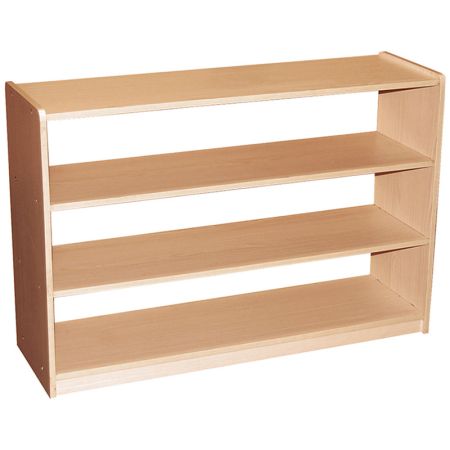
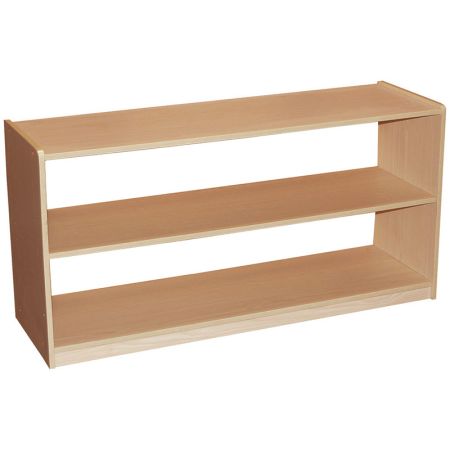
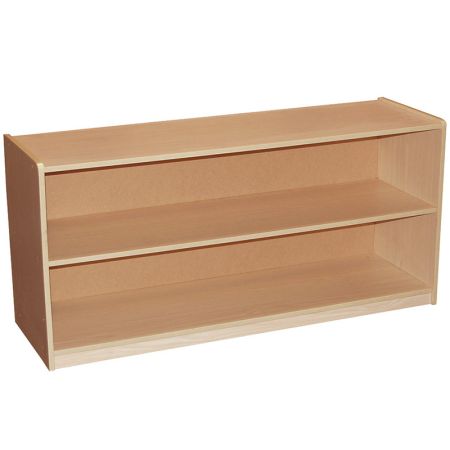
·   Low Shelves – Store materials at your child’s height for easy access.

·   Minimalist Design – Keep the area clutter-free with a limited number of activities available at a time.

·   Natural Materials – Use wood, cotton, and other organic textures instead of plastic.

·  Soft Lighting and Calm Colors – Create a peaceful atmosphere to encourage focus and engagement.

Benefits of Using Montessori Materials for Home Learning

·         Encourages Independence – Children learn to complete tasks on their own.

·         Develops Motor Skills – Hands-on activities refine coordination.

·         Enhances Problem-Solving – Kids develop critical thinking through exploration.

·         Supports Individual Learning Pace – Children can practice skills at their comfort level.

·         Boosts Confidence – Completing tasks independently builds self-esteem.

Where to Find Affordable Montessori Materials

·   Thrift Stores and Garage Sales – Great places to find second-hand wooden toys and learning materials.

·       Online Marketplaces – Look for deals on Montessori-inspired tools from independent sellers.

·       DIY Options – Many Montessori activities can be made at home using recycled items.

·       Local Craft Stores – Purchase affordable materials for hands-on learning activities.

FAQs

1.      Can Montessori learning be implemented at home without buying expensive materials?

Yes, Montessori principles can be followed using household items, DIY activities, and second-hand materials.

2. What age group benefits most from Montessori home learning?


Montessori methods can be adapted for children from infancy through elementary school, with different activities suited to each developmental stage.

3. How can I ensure my child stays engaged with Montessori materials?


Rotate materials regularly, provide hands-on activities, and follow your child’s interests to keep learning exciting.

4. Is a dedicated Montessori room necessary for home learning?


No, a small, organized learning area with accessible materials is sufficient to create an effective Montessori space.

Conclusion

Providing a Montessori-based education at home doesn’t require a large budget. By selecting affordable Montessori Materials for Home, utilizing DIY options, and setting up a well-organized space, parents can create a rich learning environment that nurtures independence, creativity, and problem-solving skills. With the right approach, home-based Montessori learning can be both effective and budget-friendly.

Resource: https://kidadvancemontessori.blogspot.com/2025/03/Affordable-Montessori-Materials-for-Home-Based-Learning.html

Essential Montessori Classroom Supplies: A Complete Guide for Educators

Creating an ideal learning environment is a top priority for every educator following the Montessori philosophy. A well-prepared classroom fosters independence, creativity, and critical thinking in young learners. The right materials play a crucial role in achieving these educational goals. This guide will explore the most important supplies needed to build a successful Montessori classroom.

Understanding Montessori Classroom Needs

Montessori education is centered around hands-on learning and self-directed activities. Each material is designed to enhance a child’s cognitive, sensory, and motor development. Educators must ensure that the learning space is organized, inviting, and filled with purposeful materials that support individualized learning.

Must-Have Montessori Classroom Supplies

To create an engaging learning environment, it is essential to have a variety of Montessori Classroom Supplies – Kid Advance  that cater to different aspects of a child’s development. Below are some indispensable items for every Montessori classroom:

1. Practical Life Materials

Practical life activities help children develop fine motor skills, concentration, and independence. These materials include:

  • Pouring sets (water and dry pouring activities)
  • Lacing and threading tools
  • Dressing frames (buttons, zippers, snaps)
  • Cleaning tools (child-sized broom, dustpan, and cloths)

2. Sensorial Materials

Sensorial learning helps children refine their senses, enhancing their ability to observe and differentiate objects. Common materials include:

  • Pink tower (stacking cubes for size differentiation)
  • Knobbed cylinders (introducing size and depth perception)
  • Color tablets (learning color variation and matching)
  • Smelling bottles and sound cylinders

3. Mathematics Materials

Mathematics is an essential part of Montessori learning, where children use tangible objects to understand abstract concepts. Some key materials include:

  • Number rods (visualizing numerical relationships)
  • Golden beads (introducing decimal system)
  • Sandpaper numbers (sensory-based number recognition)
  • Spindle boxes (learning to count objects)

4. Language Development Materials

Language materials help build reading, writing, and verbal communication skills. Essential resources include:

  • Moveable alphabet (forming words with letters)
  • Sandpaper letters (tracing and recognizing letter shapes)
  • Phonetic reading cards (assisting with early reading skills)
  • Classified picture cards (enhancing vocabulary development)

Exploring Top Montessori Teaching Materials

A Montessori classroom is incomplete without Top Montessori Teaching Materials that facilitate exploration, creativity, and problem-solving. These materials provide an enriching educational experience and allow children to progress at their own pace.

5. Cultural and Science Materials

These resources help children learn about geography, biology, and cultural diversity. Popular materials include:

  • Puzzle maps (learning about continents and countries)
  • Land and water forms (geographical formations using trays and models)
  • Life cycle models (understanding nature and biology)
  • Botany puzzles (introducing plant structures and functions)

6. Art and Creativity Supplies

Encouraging self-expression through art is essential for cognitive and emotional development. Some valuable materials include:

  • Watercolor and painting sets
  • Clay and sculpting tools
  • Collage materials (paper, glue, and natural objects)
  • Music instruments (xylophones, drums, bells)

7. Gross Motor and Outdoor Materials

Physical activity is an integral part of Montessori learning. Providing outdoor and movement-based materials helps children develop coordination and strength. Key supplies include:

  • Balance beams
  • Climbing structures
  • Nature exploration kits
  • Yoga mats and movement guides

How to Choose the Right Montessori Supplies

When selecting Montessori Classroom Supplies, consider the following factors:

  • Durability: Opt for high-quality, natural materials like wood and fabric.
  • Age Appropriateness: Ensure the materials match the developmental stage of the children.
  • Safety: Choose non-toxic, child-friendly resources.
  • Educational Value: Materials should encourage exploration, problem-solving, and independence.

Benefits of Using Top Montessori Teaching Materials

Investing in Top Montessori Teaching Materials offers numerous benefits for both educators and students:

  • Promotes Independence: Encourages children to explore and learn at their own pace.
  • Enhances Cognitive Development: Supports logical thinking and problem-solving.
  • Improves Motor Skills: Hands-on materials refine fine and gross motor abilities.
  • Encourages Lifelong Learning: Fosters curiosity and a love for discovery.

Frequently Asked Questions (FAQs)

1. What are the essential Montessori materials for beginners? 

For beginners, focus on practical life materials, sensorial tools, and basic math and language resources like sandpaper letters and number rods.

2. Can I create a Montessori environment at home? 

Yes, by using simple Montessori-inspired activities such as pouring exercises, moveable alphabets, and nature exploration kits.

3. Are Montessori materials expensive? 

While some materials can be costly, there are budget-friendly options, DIY alternatives, and second-hand supplies available.

4. How do I know if a material is suitable for a Montessori classroom? 

Look for hands-on, self-correcting, and age-appropriate materials that align with Montessori principles.

Creating a well-equipped Montessori classroom ensures a stimulating and nurturing learning environment for children. By investing in high-quality Montessori Classroom Supplies and Top Montessori Teaching Materials, educators can enhance student engagement and foster a love for lifelong learning.

Resource: https://kidadvancemontessori.blogspot.com/2025/03/Essential-Montessori-Classroom-Supplies-A-Complete-Guide-for-Educators.html

The Role of Hands-On Learning with Montessori Bead and Botany Materials

The Montessori education system is renowned for its hands-on learning approach, fostering independence and critical thinking in children. Central to this methodology are specialized learning tools that engage young minds through tangible experiences. Among these, bead materials and botany materials play a crucial role in enhancing a child’s mathematical and scientific understanding. These materials not only make abstract concepts more accessible but also encourage curiosity, exploration, and a deeper connection with learning.

Understanding Montessori Bead Materials

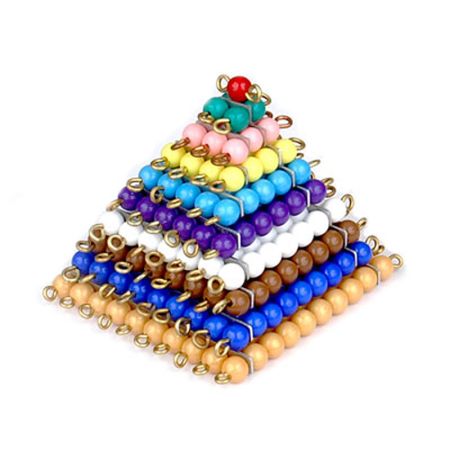
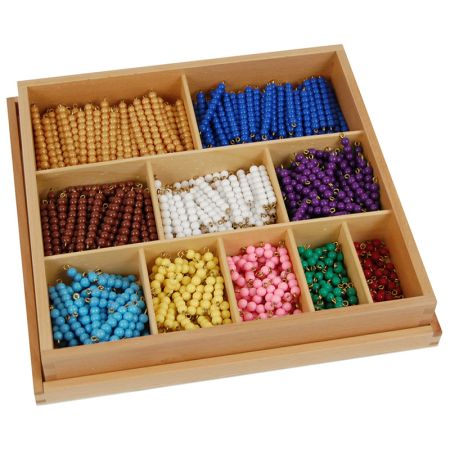
Montessori Bead Materials – Kid Advance are essential for introducing mathematical concepts in a structured yet engaging manner. These materials include golden beads, bead chains, and bead frames, each designed to support different aspects of mathematical learning.

Building a Strong Foundation in Mathematics

One of the primary purposes of Montessori Bead Materials is to help children understand fundamental mathematical concepts such as numbers, place values, addition, subtraction, multiplication, and division. The golden bead system, for example, visually represents units, tens, hundreds, and thousands, making it easier for children to grasp place values and perform arithmetic operations.

Encouraging Logical Thinking

Through hands-on experience, children develop logical reasoning as they manipulate beads to solve mathematical problems. The tactile nature of the beads helps reinforce concepts through practice and repetition, leading to a more profound understanding of numbers and calculations.

Enhancing Problem-Solving Skills

Using bead chains and bead squares, children learn skip counting, multiplication tables, and even early algebraic principles. This method ensures that problem-solving skills are developed in a way that feels natural and engaging, rather than forced or purely theoretical.

Exploring Montessori Botany Materials

Botany is an integral part of Montessori education, encouraging children to develop a love for nature and an understanding of the world around them. Montessori Botany Materials include leaf puzzles, tree puzzles, botany nomenclature cards, and real-life planting activities.

Developing Scientific Inquiry

Children are naturally curious about plants, trees, and nature. Montessori Botany Materials help cultivate this curiosity by providing hands-on learning experiences. Leaf puzzles, for instance, teach children about different types of leaves, their structures, and their functions, fostering an early interest in botany.

Understanding Plant Life Cycles

With tools like botany nomenclature cards and seed-growing activities, children learn about plant life cycles, parts of a plant, and the essential elements required for plant growth. This knowledge builds a foundation for future scientific studies and a deeper appreciation for the environment.

Promoting Environmental Awareness

By engaging with real plants and observing their growth, children develop a sense of responsibility and environmental stewardship. They learn how plants contribute to life on Earth, the importance of sustainable practices, and how they can play a role in protecting nature.

The Connection Between Montessori Bead Materials and Montessori Botany Materials

Although mathematics and botany may seem unrelated, they share an important connection in Montessori learning. Both subjects emphasize observation, pattern recognition, and hands-on experiences. For instance, children use bead chains to understand sequences and patterns, which can also be applied when studying leaf arrangements and plant growth patterns.

Additionally, measurements and calculations often play a role in botanical studies. By combining Montessori Bead Materials with Montessori Botany Materials, children gain an integrated learning experience where math and science support one another, making both subjects more engaging and comprehensible.

How Montessori Materials Benefit Children’s Overall Development

Fostering Independence and Confidence

Montessori materials are designed for self-directed learning. When children engage with bead and botany materials, they take ownership of their learning, building confidence in their abilities. The hands-on approach allows them to progress at their own pace, ensuring they fully understand each concept before moving forward.

Enhancing Fine Motor Skills

Manipulating beads, arranging leaf puzzles, and planting seeds all require fine motor coordination. These activities strengthen hand muscles, improve hand-eye coordination, and prepare children for writing and other intricate tasks.

Encouraging a Love for Learning

Traditional rote memorization methods often fail to inspire genuine curiosity. In contrast, Montessori materials make learning an enjoyable and meaningful process. By engaging with beads and plants, children develop a natural interest in math and science that extends beyond the classroom.

Choosing the Right Montessori Materials

When selecting Montessori Bead Materials and Montessori Botany Materials, it is important to ensure they are age-appropriate and made from high-quality, natural materials. Wooden, eco-friendly materials are preferable, as they align with Montessori’s emphasis on sustainability and sensory-rich learning.

Parents and educators should also provide children with opportunities to explore these materials both indoors and outdoors. Combining classroom learning with real-world applications enhances retention and understanding, making the learning experience more impactful.

Frequently Asked Questions (FAQ)

1. At what age should children start using Montessori bead materials?

Children as young as three years old can begin using simple bead materials for counting and number recognition. As they progress, more advanced materials like bead chains and multiplication bead boards can be introduced.

2. Are Montessori botany materials necessary for early education?

Yes, Montessori botany materials play a crucial role in helping children develop an appreciation for nature and a foundational understanding of plant science. Early exposure to botany encourages curiosity and a lifelong interest in the natural world.

3. Can I use Montessori bead materials at home?

Absolutely! Many parents incorporate Montessori bead materials into home learning environments to reinforce math concepts. They are excellent tools for hands-on, engaging learning outside the classroom.

4. How do Montessori botany materials benefit a child’s development?

These materials teach children about plant life cycles, environmental responsibility, and scientific observation skills. They also enhance fine motor skills and encourage a sense of connection with nature.

5. Do Montessori bead materials and botany materials work together?

Yes! Math and science often overlap in Montessori education. Bead materials help children understand patterns and measurements, which are essential skills in botanical studies as well.

Conclusion

Montessori education emphasizes experiential learning, and Montessori Bead Materials and Montessori Botany Materials are perfect examples of how hands-on tools can make learning more meaningful. By integrating these materials into early education, children develop a solid foundation in both math and science while fostering curiosity, independence, and a lifelong love for learning.

Resource: https://kidadvancemontessori.blogspot.com/2025/02/The-Role-of-Hands-On-Learning-with-Montessori-Bead-and-Botany-Materials.html

Transform Your Learning Environment with Montessori Materials for Home and Classroom

Montessori education has transformed the landscape of early childhood learning, offering a unique approach that promotes independence, creativity, and a deep love for learning. Unlike traditional teaching methods, Montessori emphasizes hands-on, self-directed learning, where children actively engage with their environment and explore concepts at their own pace. Whether at home or in the classroom, incorporating the right Montessori materials can make a world of difference in how children develop important cognitive, motor, and social skills. In this blog, we will explore how Montessori materials for home and Montessori classroom materials can be integrated to create a nurturing and effective learning environment.

Understanding the Montessori Method

The Montessori method was developed by Dr. Maria Montessori in the early 20th century. It is based on the philosophy that children learn best when they are given the freedom to explore their surroundings and interact with age-appropriate materials. This learning approach encourages children to be active participants in their own education, promoting skills such as concentration, coordination, and self-regulation. Unlike conventional classrooms, the Montessori environment is designed to allow children to make their own choices, work independently, and engage in self-correcting tasks that encourage critical thinking.

The classroom setup is a fundamental aspect of the Montessori method, with each material serving a specific purpose to aid in a child’s development. However, the same principles can be applied at home with carefully selected Montessori materials for home, making it possible for parents to create a Montessori-inspired environment that supports their child’s natural learning process.

Montessori Materials for Home

Creating a Montessori learning space at home doesn’t require a large investment in expensive equipment or elaborate setups. Instead, Kid Advance Montessori materials for home are often simple, versatile, and child-sized tools that promote hands-on learning. These materials can be easily incorporated into daily activities, allowing children to engage in meaningful learning experiences without feeling overwhelmed.

In the home, the goal is to create a calm, organized, and accessible space where children can explore freely. Some of the most common Montessori materials for home include sensory bins, stacking toys, wooden puzzles, and materials for practical life exercises. Sensory bins, for example, help children explore textures, colors, and shapes while developing fine motor skills. Wooden puzzles are great for hand-eye coordination, problem-solving, and learning about shapes, animals, or letters.

A key characteristic of Montessori materials for home is their focus on practical life skills. These materials encourage children to participate in everyday activities such as cooking, cleaning, and dressing themselves. By engaging in these tasks, children not only build independence but also learn the importance of responsibility and self-care.

For language development, Montessori homes often incorporate materials such as letter tiles, books, and alphabet cards. These tools help children recognize letters, sounds, and words in a way that feels natural and engaging. Simple, child-sized writing tools or even magnetic letters allow young learners to explore language in a hands-on way, reinforcing the connections between spoken and written words.

Montessori Classroom Materials

While Montessori classroom materials are more extensive and designed for group learning, they follow the same foundational principles as materials used at home. The classroom is typically organized into different learning areas, such as practical life, sensory, math, language, and cultural studies. Each area contains materials that encourage independent exploration and mastery of specific skills.

In a Montessori classroom, children are given the freedom to choose the activities that interest them, which fosters a sense of autonomy and self-direction. Classroom materials are designed to be self-correcting, meaning that children can identify and correct their own mistakes without needing constant adult intervention. This process promotes problem-solving skills and a sense of accomplishment when they complete a task independently.

Some examples of Montessori classroom materials include the iconic pink tower, which helps children develop visual discrimination and an understanding of size and order, and the golden beads used for teaching the decimal system in mathematics. There are also tactile materials such as sandpaper letters and number rods, which help children build their sensory awareness while simultaneously learning foundational concepts in language and mathematics.

Cultural studies in Montessori classrooms often involve materials such as maps, globes, and cultural artifacts. These materials introduce children to geography, history, and diverse cultures in a way that is interactive and engaging. The focus is not just on memorizing facts, but on developing an appreciation for the world around them and the interconnectedness of different cultures.

Benefits of Using Montessori Materials

Whether you’re incorporating Montessori materials for home or enhancing a classroom, there are several key benefits to using these specialized tools. First and foremost, Montessori materials are designed to promote active learning. By engaging with these materials, children develop essential cognitive, motor, and social skills that will serve them well throughout their education and lives.

One of the most significant benefits is the development of independence. Montessori materials are carefully crafted to help children learn to solve problems and complete tasks on their own. This independence fosters self-confidence and prepares children to take responsibility for their actions. By allowing children to make choices and engage with materials that challenge them, they learn to approach tasks with persistence and focus.

Another key benefit is the promotion of self-regulation and concentration. Montessori materials often require children to focus for extended periods of time, helping them develop the ability to concentrate deeply on a task. This, in turn, supports academic success and the ability to focus in other areas of life.

FAQ

Q: How can I create a Montessori-inspired home learning space?

A: You can start by setting up a small area where your child has access to age-appropriate Montessori materials for home. Incorporate sensory toys, books, and practical life materials like child-sized cleaning tools, and ensure the space is organized and clutter-free to encourage independent exploration.

Q: Can I use Montessori materials for home if my child attends a traditional school?

A: Yes! Montessori materials can complement traditional schooling by reinforcing hands-on learning at home. Many Montessori activities can help children build foundational skills such as fine motor development, language acquisition, and problem-solving.

Q: What makes Montessori classroom materials different from other educational tools?

A: Montessori classroom materials are specifically designed to promote independent learning and self-correction. They are often self-contained, meaning that children can use them without the need for adult assistance, allowing them to develop problem-solving skills and confidence.

Conclusion

Incorporating Montessori materials for home or Montessori classroom materials is a fantastic way to create a learning environment that nurtures independence, fosters critical thinking, and promotes a love of learning. Whether you’re building a Montessori-inspired home or enhancing a classroom, these materials offer countless benefits that will help your child develop the skills they need for success both in and out of school. By providing children with the tools they need to explore, learn, and grow, you are setting the stage for a lifetime of learning and discovery.

Resource: https://kidadvancemontessori.blogspot.com/2025/02/Transform-Your-Learning-Environment-with-Montessori-Materials-for-Home-and-Classroom.html

Unlocking Potential with Montessori Materials and Montessori Supplies

The Montessori Philosophy: An Overview

Montessori education, a methodology developed by Dr. Maria Montessori, revolutionized the way we approach childhood learning. It focuses on nurturing a child’s natural curiosity while fostering independence and self-discipline. The key to this method lies in the tools it employs—Montessori Materials—which are designed to provide hands-on, experiential learning opportunities for children of all ages.

The Montessori method emphasizes a prepared environment where every element serves a purpose. From neatly arranged shelves to carefully crafted learning tools, everything is intentional. This approach encourages children to explore, discover, and learn through self-guided activities, fostering their ability to think critically and solve problems independently.

The Importance of Montessori Materials in Learning

At the heart of the Montessori philosophy are its unique, scientifically designed materials. Unlike traditional teaching aids, Kid Advance Montessori Materials are created with specific educational goals in mind. For instance, the famous pink tower teaches concepts of size, balance, and order, while sandpaper letters allow children to associate tactile sensations with the shapes of letters, aiding early literacy.

One defining feature of Montessori tools is their focus on simplicity. Each material isolates one concept, ensuring that children are not overwhelmed by multiple ideas at once. This isolation helps children grasp complex ideas more effectively, as they can focus entirely on the task at hand.

Another key characteristic of these materials is their self-corrective nature. For example, puzzles and bead bars are designed so that children can identify and correct their mistakes without adult intervention. This feature encourages independence, boosts confidence, and fosters a love for learning.

Why High-Quality Montessori Supplies Matter

The effectiveness of Montessori education is closely tied to the quality of the materials used. Investing in durable, authentic Montessori Supplies ensures that children can fully benefit from this hands-on learning approach. Authentic materials are crafted to meet Dr. Montessori’s original specifications, which guarantee their alignment with developmental goals.

Durable materials, often made of wood or other eco-friendly substances, not only promote sustainability but also provide a tactile and visually appealing learning experience. Montessori emphasized the role of beauty in education, believing that aesthetically pleasing materials inspire joy and curiosity in children.

Moreover, high-quality supplies are designed with safety in mind. Non-toxic, child-friendly materials minimize risks, allowing children to explore and learn without worry. This is particularly important for younger learners, who are naturally more hands-on in their interactions with objects.

Selecting the Right Montessori Supplies for Your Needs

Choosing the right Montessori Supplies can seem overwhelming, especially with the variety of options available today. The first step is to ensure that the materials you select are authentic and adhere to the principles outlined by Dr. Montessori. Authenticity is crucial, as it ensures the materials provide the intended educational value.

Parents and educators should also consider the age and developmental stage of the child. Montessori materials are designed to cater to different learning stages, from infancy to adolescence. For instance, infants may benefit from sensory toys like mobiles and rattles, while older children can explore tools for geometry, biology, or cultural studies.

For those setting up a Montessori classroom or a home learning space, curated sets are an excellent option. These sets often include a range of materials tailored to specific age groups and subjects, simplifying the process of creating a well-rounded learning environment.

The Impact of Montessori Education on Children

The benefits of Montessori education extend far beyond academics. By using Montessori Materials and adopting this teaching method, children develop critical life skills such as independence, self-motivation, and adaptability.

One of the key strengths of Montessori education is its ability to meet children where they are developmentally. It provides opportunities for hands-on learning that builds both practical and abstract skills. For example, a child working with bead chains is not just learning to count—they are also developing fine motor skills and laying the groundwork for understanding mathematical concepts like multiplication and division.

Additionally, Montessori education fosters a sense of responsibility and respect for others. The structured, collaborative classroom environment encourages children to work together, share materials, and respect each other’s space and work. These experiences prepare children not only for academic success but also for social and emotional challenges they may face later in life.

Why Montessori Supplies Are an Investment in the Future

As the popularity of Montessori education continues to rise, the demand for authentic, high-quality Montessori Supplies has grown. While these materials may require a higher initial investment than traditional educational tools, their long-term benefits far outweigh the costs.

Authentic Montessori materials are built to last, often serving multiple generations of learners. This durability makes them a cost-effective choice for parents, schools, and educators. Additionally, their timeless design ensures they remain relevant and effective, regardless of changes in educational trends.

Investing in Montessori supplies also supports a child’s natural learning process. By providing tools that encourage exploration and discovery, parents and educators empower children to take charge of their education. This autonomy fosters a lifelong love of learning, equipping children with the skills they need to succeed in an ever-changing world.

Conclusion

Montessori Materials and Montessori Supplies are the backbone of effective Montessori education. By choosing authentic, high-quality tools, you’re not just purchasing educational aids—you’re making a lasting investment in a child’s growth and potential.

Whether you’re a parent setting up a home learning space or an educator designing a classroom, the right Montessori supplies can make all the difference. These materials inspire curiosity, foster independence, and build a strong foundation for lifelong learning, making them an invaluable resource for any educational journey.

Resource: https://kidadvancemontessori.blogspot.com/2025/01/Unlocking-Potential-with-Montessori-Materials-and-Montessori-Supplies.html

Unlocking the Power of Montessori Education: Exploring Knobless Cylinders and the Montessori Binomial Cube

Montessori education is a highly regarded approach that emphasizes hands-on learning, self-discovery, and fostering independence. The Montessori method uses various educational tools that engage children’s natural curiosity and promote cognitive development. Among these tools, Knobless Cylinders and the Montessori Binomial Cube stand out as two foundational materials that significantly enhance children’s learning experience. Let’s delve into these two intriguing educational resources and explore how they contribute to a child’s learning journey.

Understanding Knobless Cylinders

Kid Advance – Knobless Cylinders are one of the most popular Montessori materials used to teach children about size discrimination and spatial awareness. These cylindrical blocks come in a set of ten, varying in both height and diameter. The objective of the activity is simple yet highly effective: children are tasked with placing the cylinders in their correct positions based on size. The absence of knobs in these cylinders allows for a more precise focus on the dimensions and proportionality of each piece.

The process of manipulating the Knobless Cylinders helps children develop fine motor skills, hand-eye coordination, and concentration. They learn about volume, measurement, and the concept of order as they engage with the material. By handling these cylinders, children also begin to build their cognitive abilities, such as problem-solving and visual-spatial skills. Moreover, the challenge of finding the correct placement encourages patience, perseverance, and an intrinsic motivation to master the task at hand.

The Role of the Montessori Binomial Cube

The Montessori Binomial Cube is another pivotal material in the Montessori method, designed to introduce children to algebraic concepts in an intuitive and hands-on manner. The cube consists of eight smaller cubes that, when assembled correctly, form a 3x3x3 cube. The material’s goal is to help children visualize the algebraic binomial expansion, which may seem abstract in traditional learning, but becomes accessible through this interactive tool.

In addition to teaching children about algebraic principles, the Montessori Binomial Cube provides a rich experience in problem-solving and pattern recognition. Children are encouraged to fit the pieces together, experimenting with spatial relationships and exploring the concept of expansion in a tactile way. The process of assembling the cube not only develops mathematical understanding but also promotes critical thinking, logical reasoning, and concentration.

Combining Knobless Cylinders and the Montessori Binomial Cube

While both the Knobless Cylinders and the Montessori Binomial Cube serve distinct educational purposes, they complement each other beautifully in the Montessori classroom. Together, they provide a well-rounded learning experience that encourages children to explore different aspects of mathematics and cognitive development.

For instance, children may begin with the Knobless Cylinders to develop their fine motor skills and understanding of size, which will later aid them in solving the more complex tasks presented by the Montessori Binomial Cube. As children progress through these exercises, they begin to understand how mathematical concepts—such as measurement, volume, and algebra—are interconnected and applicable in the real world.

The Benefits of Montessori Materials

The beauty of Montessori materials like Knobless Cylinders and the Montessori Binomial Cube lies in their ability to foster an environment of independent learning. These materials are designed to be self-correcting, which means children can engage with them without constant adult intervention. This autonomy allows children to take ownership of their learning, boosting their confidence and self-esteem.

Furthermore, these materials are not just tools for learning—they are gateways to building a lifelong love of education. The tactile nature of the materials helps children connect abstract concepts with real-world experiences, making learning more meaningful and impactful. As children engage with these Montessori tools, they develop a deep sense of curiosity and an intrinsic desire to explore the world around them.

Conclusion

Incorporating Montessori tools such as Knobless Cylinders and the Montessori Binomial Cube into a child’s learning experience is a powerful way to nurture their cognitive, mathematical, and problem-solving skills. These materials provide hands-on learning opportunities that engage children’s natural curiosity and foster independence. By encouraging exploration and discovery, Montessori education helps children develop a solid foundation for future learning, all while making education a fun and enjoyable experience. Whether in a classroom setting or at home, these materials are essential for creating an enriching and effective educational environment.

Resource: https://kidadvancemontessori.blogspot.com/2025/01/Unlocking-the-Power-of-Montessori-Education-Exploring-Knobless-Cylinders-and-the-Montessori-Binomial-Cube.html

The Power of Montessori Sandpaper Letters and the Montessori Globe in Early Childhood Learning

Montessori education is rooted in the belief that children learn best through hands-on, self-directed experiences. Among the many tools used in this method, Montessori Sandpaper Letters and the Montessori Globe stand out for their ability to foster early learning in critical areas such as literacy and geography. These materials are designed not only to engage children but also to develop their cognitive and sensory skills in an interactive way.

What Are Montessori Sandpaper Letters?

Kid Advance Montessori Sandpaper Letters are a foundational tool used in early literacy education. These letters are crafted from sandpaper and attached to sturdy wooden boards, allowing children to trace each letter with their fingers. This tactile experience plays a significant role in helping children learn the shapes of the alphabet while simultaneously associating each letter with its corresponding sound.

By tracing the Montessori Sandpaper Letters, children activate multiple senses—touch, sight, and sound. This multisensory approach enhances learning and helps children retain information more effectively. As children trace the letters, they not only build familiarity with the shapes of letters but also start developing the motor skills required for writing. This process strengthens their hand-eye coordination and reinforces the connection between sounds and symbols, which is vital for language acquisition.

Another important aspect of Montessori Sandpaper Letters is that they allow children to learn at their own pace. The self-directed nature of the Montessori method means children can practice tracing the letters as often as they like, reinforcing their understanding through repetition and sensory engagement.

The Montessori Globe: A Hands-On Introduction to Geography

The Montessori Globe is a captivating tool used to introduce children to the world around them. This globe is designed to be simple, colorful, and easy for young children to handle. With its raised continents and colorful oceans, the Montessori Globe provides a tactile experience that makes geography more accessible to young learners.

Using the Montessori Globe, children learn about the different continents, countries, and oceans in an interactive way. They can explore the shapes of continents by feeling the raised surface and begin to understand the concept of the Earth’s layout. This hands-on approach to geography helps children develop spatial awareness and a deeper understanding of the world, laying the foundation for more complex geographical concepts later on.

The Montessori Globe also encourages discussions about cultural diversity, helping children understand the variety of people and places that exist around the world. Through this material, children are exposed to the idea of global interconnectedness and the rich variety of landscapes and cultures that make up our planet.

Integrating Montessori Sandpaper Letters and the Montessori Globe for Holistic Learning

When combined, Montessori Sandpaper Letters and the Montessori Globe offer a well-rounded learning experience for young children. While the Sandpaper Letters focus on language development and fine motor skills, the Montessori Globe opens children’s minds to the world of geography, encouraging curiosity about their environment.

By using both materials together, children develop a balanced skill set that encompasses both literacy and an understanding of the world around them. This integrated approach ensures that children are not only becoming proficient readers and writers but are also becoming curious, global thinkers who appreciate the world they live in.

Conclusion

The Montessori Sandpaper Letters and the Montessori Globe are invaluable tools in early childhood education, each supporting essential developmental milestones in literacy and geography. These materials encourage children to engage with learning in a sensory and interactive way, fostering curiosity, independence, and a love of learning. By incorporating these tools into early education, children are provided with the foundation for lifelong learning and exploration.

Resource: https://kidadvancemontessori.blogspot.com/2025/01/The-Power-of-Montessori-Sandpaper-Letters-and-the-Montessori-Globe-in-Early-Childhood-Learning.html

Exploring the Montessori Movable Alphabet and Pink Tower for Early Learning

Montessori education emphasizes hands-on learning and self-directed exploration, encouraging children to engage with materials that help them understand the world around them. Among the most essential Montessori tools are the Montessori Movable Alphabet and the Pink Tower, both of which provide foundational learning experiences in language, math, and spatial reasoning. These materials are designed to help children build key cognitive and motor skills while fostering a deep sense of independence and curiosity.

The Montessori Movable Alphabet: Fostering Early Language Skills

The Montessori Movable Alphabet – Kid Advance is a revolutionary tool in Montessori classrooms, enabling children to learn language in a tactile, interactive way. This material consists of wooden or plastic letter tiles that can be arranged to form words, sentences, and even short stories. The unique aspect of the Montessori Movable Alphabet is that it allows children to work on spelling and writing without the need for fine motor control, which may not yet be fully developed in young learners.

Using the Montessori Movable Alphabet, children connect sounds to letters, improving their phonetic awareness. This form of learning bridges the gap between spoken and written language. Children can begin forming words and sentences even before they can write with a pencil, allowing them to express their ideas freely. As they explore the alphabet, they also gain an understanding of letter order, word structure, and basic grammar, laying the groundwork for later reading and writing proficiency.

The Pink Tower: Building Spatial Awareness and Early Math Concepts

The Pink Tower is one of the most iconic Montessori materials, designed to help children develop spatial awareness and an understanding of sizes. Consisting of ten graduated pink cubes, each larger than the last, this material encourages children to explore size differences and order. By stacking the cubes from smallest to largest or arranging them in other ways, children are introduced to the concepts of gradation and sequencing.

In addition to building foundational math concepts such as size and proportion, the Pink Tower also enhances fine motor skills and hand-eye coordination. As children manipulate the cubes, they gain an intuitive understanding of how objects fit together, how to balance them, and how to build in an organized way. This hands-on interaction lays the foundation for more complex mathematical concepts in later years, such as geometry and measurement.

How the Montessori Movable Alphabet and Pink Tower Support Each Other

While the Montessori Movable Alphabet and the Pink Tower serve different learning purposes, they complement each other beautifully in a Montessori setting. Both materials are designed to engage children’s senses, promoting active learning rather than passive observation. The Montessori Movable Alphabet nurtures language skills, while the Pink Tower strengthens spatial reasoning and early math understanding.

When used together, these tools provide a balanced approach to early childhood education. As children learn to recognize letters and words with the Montessori Movable Alphabet, they simultaneously gain a deeper appreciation for order, sequencing, and structure through the Pink Tower. This well-rounded approach helps children develop both their cognitive and motor skills, setting the stage for future academic success.

Conclusion

Incorporating the Montessori Movable Alphabet and the Pink Tower into early childhood education fosters a rich, engaging learning environment. These materials encourage children to explore language, math, and spatial relationships through hands-on activities that build foundational skills for future learning. By embracing the Montessori philosophy and its tools, children can develop independence, confidence, and a love of learning—key qualities that will serve them well throughout their educational journey.

Resource: https://kidadvancemontessori.blogspot.com/2025/01/Exploring-the-Montessori-Movable-Alphabet-and-Pink-Tower-for-Early-Learning.html

Design a site like this with WordPress.com
Get started