Exploring the Montessori Movable Alphabet and Pink Tower for Early Learning

Montessori education emphasizes hands-on learning and self-directed exploration, encouraging children to engage with materials that help them understand the world around them. Among the most essential Montessori tools are the Montessori Movable Alphabet and the Pink Tower, both of which provide foundational learning experiences in language, math, and spatial reasoning. These materials are designed to help children build key cognitive and motor skills while fostering a deep sense of independence and curiosity.

The Montessori Movable Alphabet: Fostering Early Language Skills

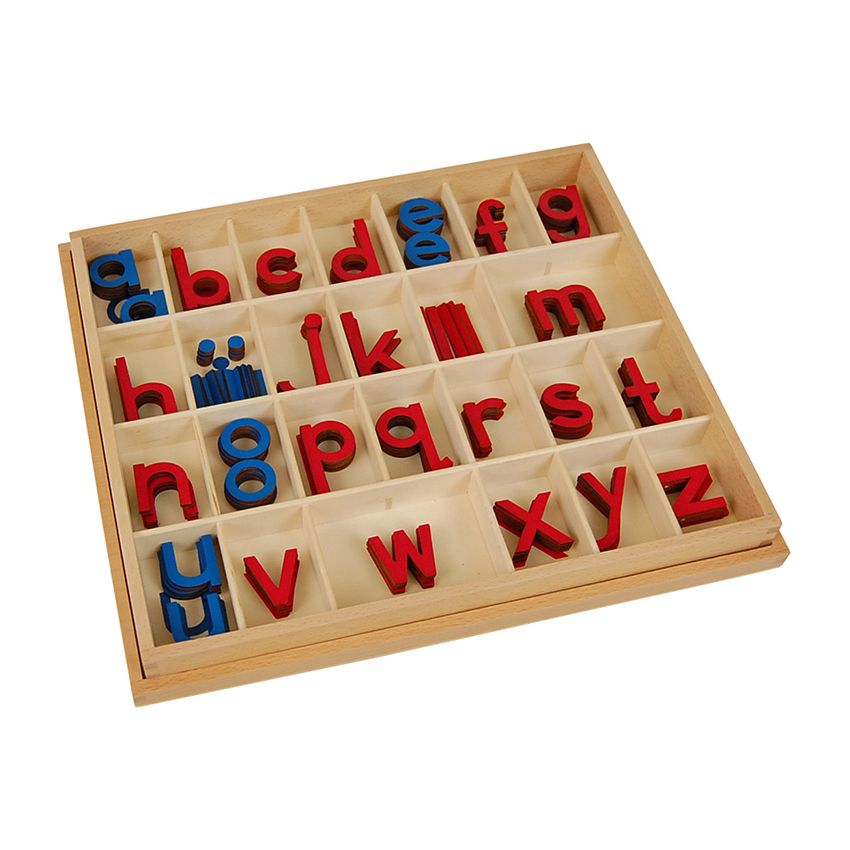
The Montessori Movable Alphabet – Kid Advance is a revolutionary tool in Montessori classrooms, enabling children to learn language in a tactile, interactive way. This material consists of wooden or plastic letter tiles that can be arranged to form words, sentences, and even short stories. The unique aspect of the Montessori Movable Alphabet is that it allows children to work on spelling and writing without the need for fine motor control, which may not yet be fully developed in young learners.

Using the Montessori Movable Alphabet, children connect sounds to letters, improving their phonetic awareness. This form of learning bridges the gap between spoken and written language. Children can begin forming words and sentences even before they can write with a pencil, allowing them to express their ideas freely. As they explore the alphabet, they also gain an understanding of letter order, word structure, and basic grammar, laying the groundwork for later reading and writing proficiency.

The Pink Tower: Building Spatial Awareness and Early Math Concepts

The Pink Tower is one of the most iconic Montessori materials, designed to help children develop spatial awareness and an understanding of sizes. Consisting of ten graduated pink cubes, each larger than the last, this material encourages children to explore size differences and order. By stacking the cubes from smallest to largest or arranging them in other ways, children are introduced to the concepts of gradation and sequencing.

In addition to building foundational math concepts such as size and proportion, the Pink Tower also enhances fine motor skills and hand-eye coordination. As children manipulate the cubes, they gain an intuitive understanding of how objects fit together, how to balance them, and how to build in an organized way. This hands-on interaction lays the foundation for more complex mathematical concepts in later years, such as geometry and measurement.

How the Montessori Movable Alphabet and Pink Tower Support Each Other

While the Montessori Movable Alphabet and the Pink Tower serve different learning purposes, they complement each other beautifully in a Montessori setting. Both materials are designed to engage children’s senses, promoting active learning rather than passive observation. The Montessori Movable Alphabet nurtures language skills, while the Pink Tower strengthens spatial reasoning and early math understanding.

When used together, these tools provide a balanced approach to early childhood education. As children learn to recognize letters and words with the Montessori Movable Alphabet, they simultaneously gain a deeper appreciation for order, sequencing, and structure through the Pink Tower. This well-rounded approach helps children develop both their cognitive and motor skills, setting the stage for future academic success.

Conclusion

Incorporating the Montessori Movable Alphabet and the Pink Tower into early childhood education fosters a rich, engaging learning environment. These materials encourage children to explore language, math, and spatial relationships through hands-on activities that build foundational skills for future learning. By embracing the Montessori philosophy and its tools, children can develop independence, confidence, and a love of learning—key qualities that will serve them well throughout their educational journey.

Resource: https://kidadvancemontessori.blogspot.com/2025/01/Exploring-the-Montessori-Movable-Alphabet-and-Pink-Tower-for-Early-Learning.html

Understanding the Montessori Binomial Cube: A Key to Early Learning Success

The Montessori method of education is celebrated worldwide for its unique approach to teaching and learning, fostering independence, and nurturing problem-solving skills in children. Among its many ingenious materials, the Montessori Binomial Cube stands out as a versatile tool that combines fun and learning. This remarkable material is not just a toy but an educational asset designed to engage young minds and lay the foundation for advanced mathematical and spatial reasoning.

What Is the Montessori Binomial Cube?

Kid Advance Montessori Binomial Cube is a three-dimensional puzzle designed for children aged 3 to 6 years. It consists of wooden blocks painted in primary colors, representing the algebraic expression “(a + b)^2.” These blocks fit perfectly into a box, creating a visual and tactile representation of mathematical principles.

While the cube’s educational potential is significant, it initially introduces young children to patterns, shapes, and spatial awareness. As children grow, they gradually uncover its deeper purpose—connecting the physical manipulation of the cubes to abstract algebraic concepts.

Why Is the Montessori Binomial Cube Important?

Promotes Hands-On Learning

One of the key principles of Montessori education is learning by doing. The Montessori Binomial Cube encourages children to explore and manipulate the blocks, helping them understand spatial relationships and geometric concepts in a hands-on way. This physical interaction enhances memory retention and understanding.

Develops Problem-Solving Skills

Assembling the cube involves understanding how the different pieces fit together. Children are naturally drawn to this challenge, which stimulates their problem-solving skills. The process of trial and error also helps them develop patience and persistence.

Prepares for Advanced Learning

The Montessori Binomial Cube serves as an introduction to abstract mathematical concepts. Although younger children may not understand algebra, the cube lays the groundwork for future learning by familiarizing them with its components in a concrete form. When they encounter these ideas in later years, they will already have a solid foundation to build upon.

How to Use the Montessori Binomial Cube Effectively

Introducing the Cube

When introducing the Montessori Binomial Cube, it is important to let the child explore the material freely. Demonstrate how the pieces fit together without providing too much instruction. This allows the child to discover patterns and relationships on their own, fostering a sense of accomplishment and curiosity.

Guiding Without Intervening

While it’s essential to guide children, avoid micromanaging their interaction with the cube. Encourage them to think critically and experiment with different combinations. Offer subtle hints when needed, but let them take the lead in solving the puzzle.

Connecting to Real-Life Applications

As children grow older and start learning algebra, educators can revisit the binomial cube to explain its mathematical significance. This connection between early exploration and advanced concepts underscores the Montessori philosophy of education—building knowledge step by step.

Why Choose Authentic Montessori Materials?

Investing in authentic Montessori materials, such as the Montessori Binomial Cube, ensures that children receive high-quality educational experiences. These materials are designed to align with Montessori principles, encouraging independent learning and critical thinking.

Many brands offer Montessori materials, but it’s crucial to select those that prioritize durability, safety, and adherence to Montessori standards. Quality materials last longer and provide consistent learning experiences for children of various age groups.

Conclusion

The Montessori Binomial Cube is more than just a colorful puzzle; it is a gateway to critical thinking, problem-solving, and advanced mathematical understanding. By incorporating this material into a child’s early education, parents and educators can inspire a lifelong love for learning. Authentic Montessori materials ensure that every child receives the best start, equipping them with the tools to succeed both in school and beyond.

Whether you’re a parent, teacher, or caregiver, consider integrating the Montessori Binomial Cube into your educational toolkit. Its blend of hands-on learning and conceptual depth makes it an invaluable resource for nurturing curious and capable young minds.

Resource: https://kidadvancemontessori.blogspot.com/2024/12/Understanding-the-Montessori-Binomial-Cube-A-Key-to-Early-Learning-Success.html

The Essential Montessori Materials for Home: A Guide to Montessori Educational Materials

Montessori education is a child-centered approach to learning that emphasizes independence, freedom within limits, and respect for a child’s natural development. Whether you’re a parent looking to introduce Montessori principles at home or an educator seeking to enhance the classroom experience, having the right Montessori materials for home is crucial. These materials not only support academic growth but also foster emotional and social development, preparing children for a lifetime of learning.

Understanding Montessori Educational Materials

Montessori educational materials are specially designed tools that help children learn through hands-on experiences. These materials encourage exploration, problem-solving, and self-discovery. Unlike traditional educational tools, which are often rigid and focused on rote memorization, Kid Advance Montessori educational materials are open-ended, allowing children to use their creativity while building essential skills.

The philosophy behind Montessori materials is simple: learning should be an active, engaged process. By using these materials, children can engage their senses, observe the world around them, and gain confidence in their abilities. Whether you’re working with a toddler just beginning to explore the world or a child in the primary years, Montessori materials provide the foundation for academic and personal growth.

Essential Montessori Materials for Home Learning

For parents interested in creating a Montessori-inspired environment at home, there are several key materials that can make the learning experience more effective and enjoyable. Here are a few examples:

  1. Practical Life Materials: These materials allow children to practice everyday tasks like pouring, sweeping, and buttoning. Simple items such as a child-sized broom, pitcher, and water tray are perfect for encouraging independence and fine motor skills.
  2. Sensorial Materials: Designed to help children refine their senses, these materials include objects like color tablets, sound boxes, and texture boards. These tools are crucial for helping children develop a deep awareness of their surroundings.
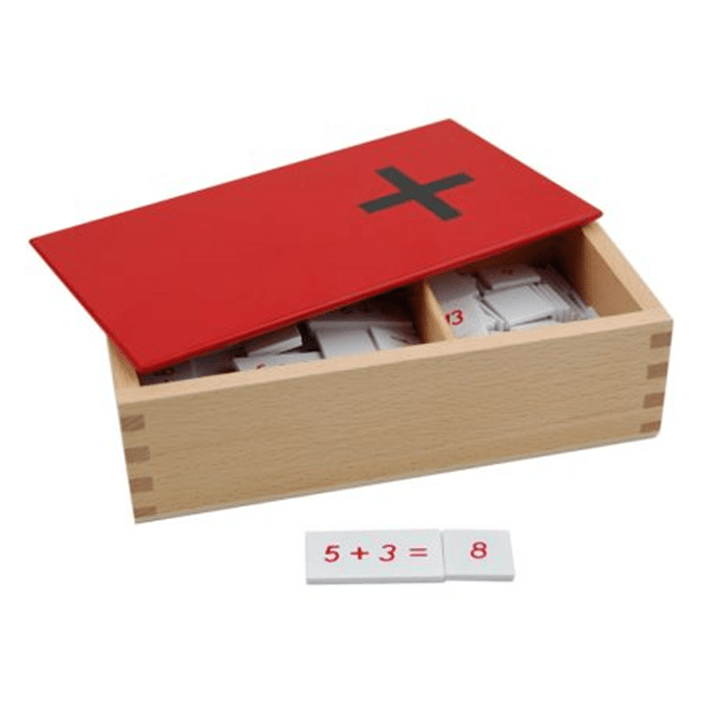
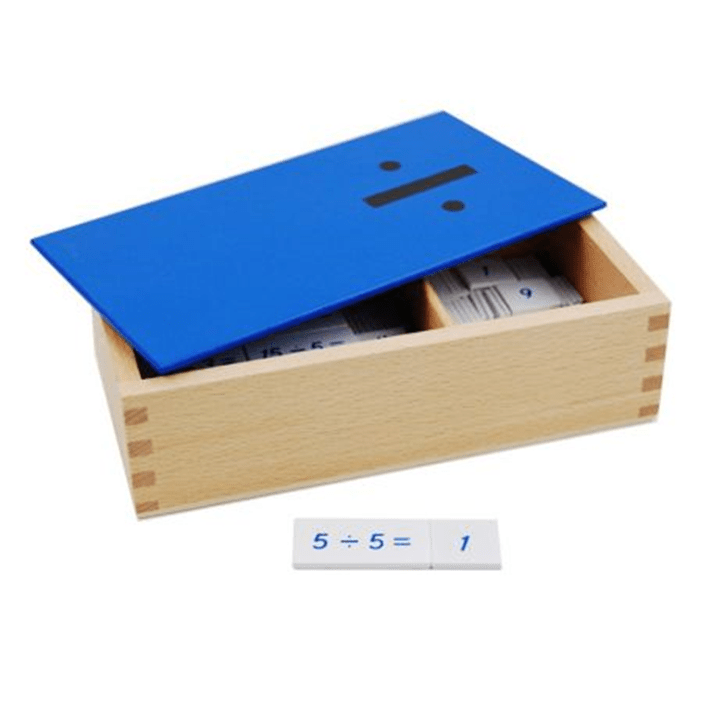
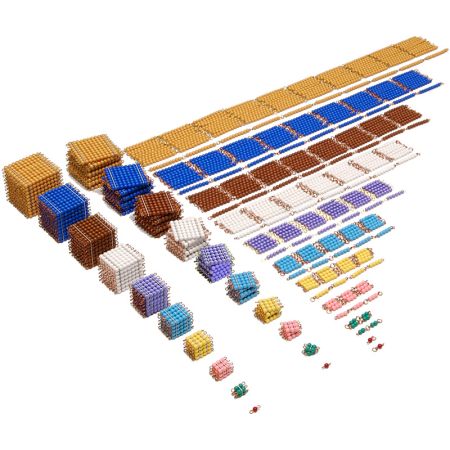
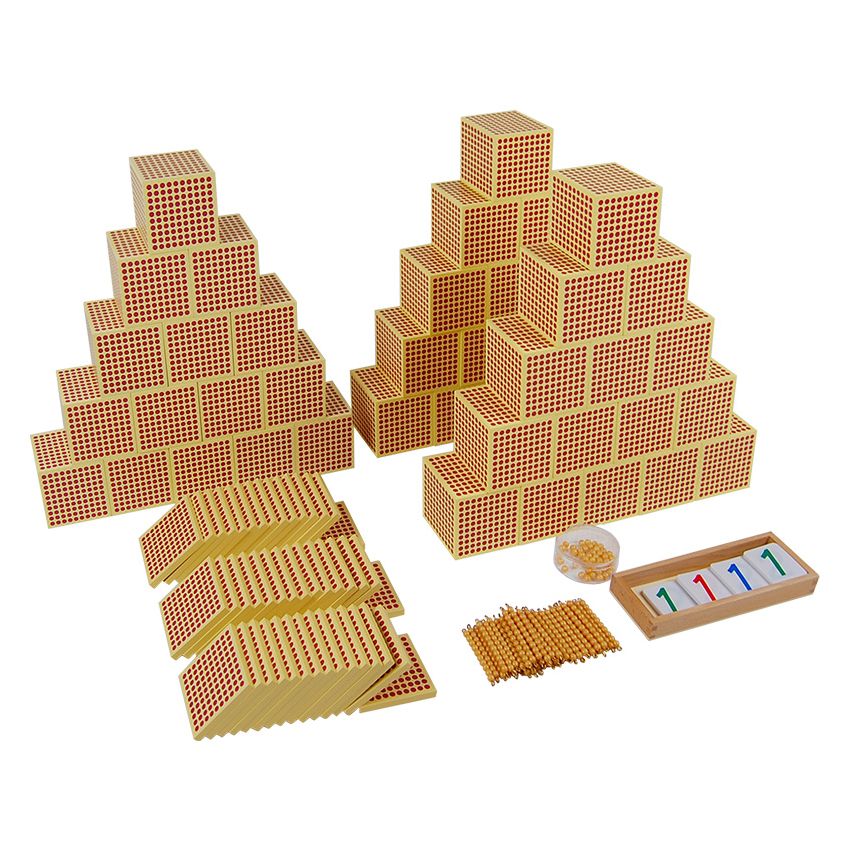
  3. Mathematical Materials: Montessori math materials, such as number rods, bead chains, and the golden beads, are designed to provide children with a concrete understanding of abstract concepts like addition, subtraction, multiplication, and division.
  4. Language Materials: To enhance literacy, materials like movable alphabets and sandpaper letters allow children to physically trace and form letters, connecting tactile experiences with reading and writing skills.

By incorporating these materials into your home environment, you can create a learning space that aligns with Montessori principles and supports your child’s development in an organic way.

Benefits of Montessori Materials for Home Learning

The beauty of Montessori materials lies in their ability to adapt to each child’s unique pace of learning. Because these materials are self-correcting, children can engage with them independently and at their own speed. This fosters a sense of accomplishment and encourages a lifelong love of learning. Additionally, because they are designed to be visually appealing and well-crafted, Montessori materials can also create a sense of order and beauty in the home.

Using Montessori materials for home also allows for personalized learning. Unlike traditional classroom settings, where a teacher may focus on group instruction, Montessori materials allow for one-on-one engagement. This is particularly beneficial for children with diverse learning needs, as they can explore and experiment with materials in a manner that suits them best.

Creating a Montessori-Inspired Home Environment

Transforming your home into a Montessori-inspired space doesn’t require a large investment in materials. You can start by decluttering and organizing the space so that everything is within the child’s reach. Shelves at their level and clear labeling can encourage children to take ownership of their learning environment.

Consider adding a few Montessori materials for home at a time. Begin with the basics—practical life tools and sensorial materials—and gradually introduce more advanced learning materials like math or language tools. The key is to let the child lead the way, as Montessori is all about giving them the freedom to explore and learn at their own pace.

Conclusion

Incorporating Montessori educational materials into your home not only nurtures a child’s love for learning but also fosters a sense of independence and responsibility. These materials help children build both cognitive and emotional skills in a fun, engaging way, allowing them to thrive academically and personally. Whether you’re setting up a dedicated learning space or simply introducing a few key materials, a Montessori-inspired environment can provide children with the foundation for lifelong success.

Resource: https://kidadvancemontessori.blogspot.com/2024/12/The-Essential-Montessori-Materials-for-Home-A-Guide-to-Montessori-Educational-Materials.html

Inspiring Young Minds with the Montessori Trinomial Cube

The joy of learning begins with curiosity, and the Montessori method excels at nurturing this natural drive. Among its innovative tools, the Montessori Trinomial Cube stands out as a unique way to engage children in critical thinking, spatial reasoning, and mathematical exploration. More than just a puzzle, this cube is an essential resource for unlocking a child’s full potential.

Understanding the Montessori Trinomial Cube

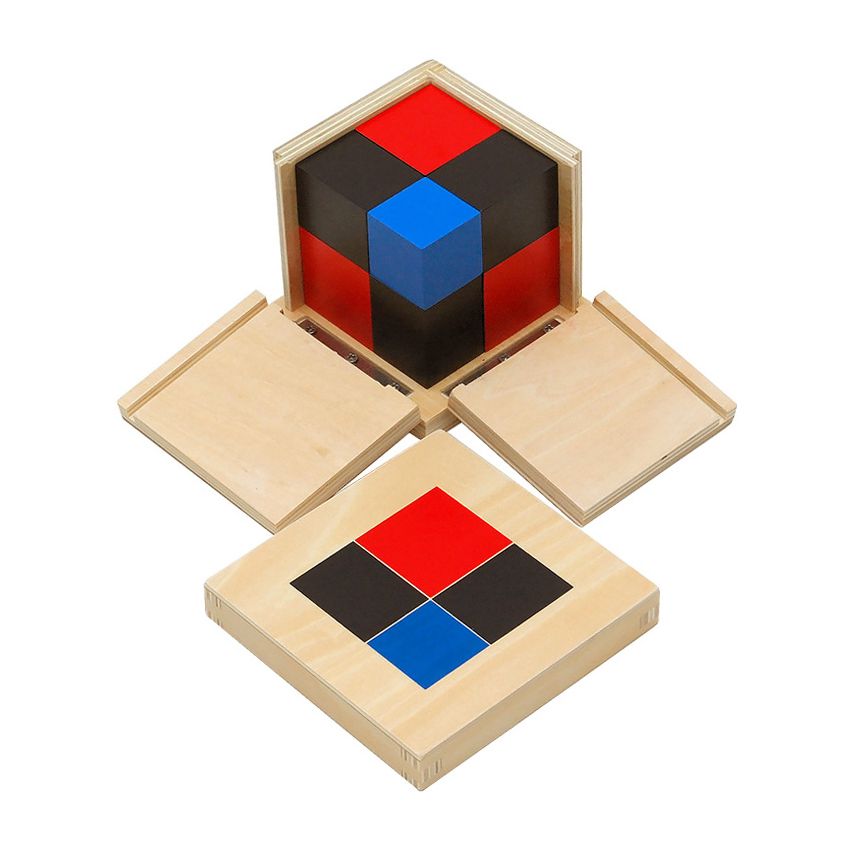
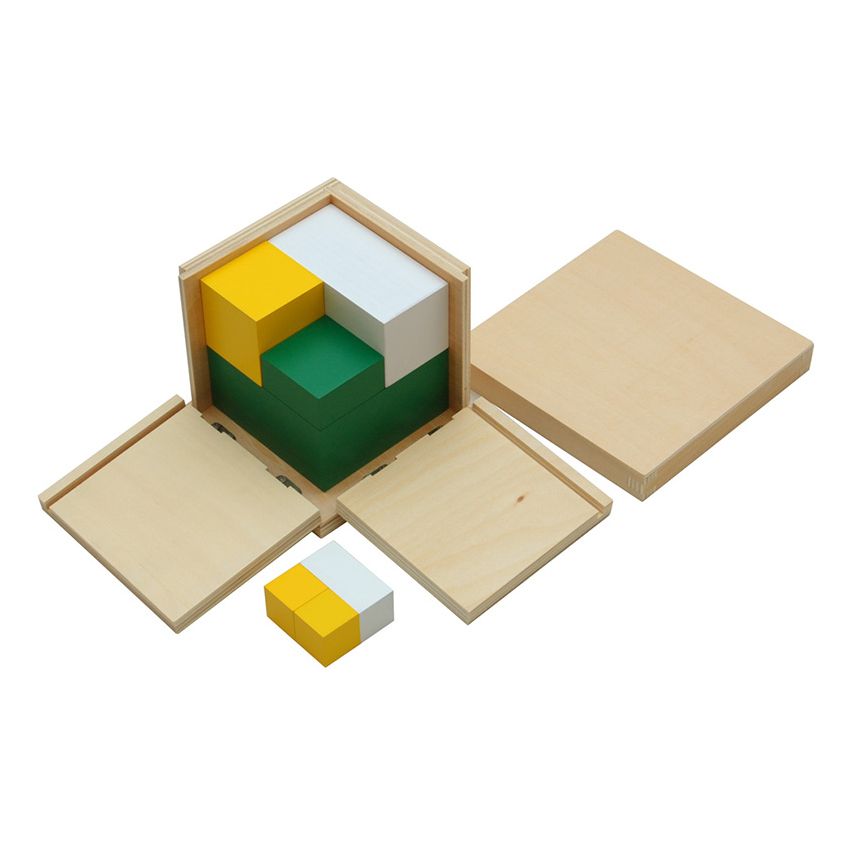
At its core, the Montessori Trinomial Cube is a hands-on educational tool designed to simplify complex concepts. It comprises 27 wooden blocks of varying sizes and colors that represent the algebraic formula:

a³ + 3a²b + 3ab² + b³. This cube introduces children to advanced mathematical ideas in an intuitive and engaging way. Unlike rote memorization, this method allows students to physically manipulate the pieces, making abstract concepts more accessible.

Benefits of Using the Montessori Trinomial Cube

Boosts Spatial Skills

The Montessori Trinomial Cube – Kid Advance enhances spatial awareness by encouraging children to visualize how smaller components fit together to form a larger structure. This skill is fundamental in fields such as geometry and engineering.

Encourages Logical Problem-Solving

The structured design of the cube promotes logical thinking. Children identify patterns and relationships as they work through assembling the pieces, helping them develop critical problem-solving abilities.

Facilitates Mathematical Learning

For older children, the cube serves as a visual aid for understanding algebraic principles. By bridging the gap between physical manipulation and abstract math, the cube prepares students for more advanced studies in mathematics.

The Montessori Method: A Unique Approach

The Montessori philosophy emphasizes child-led exploration. The Montessori Trinomial Cube aligns perfectly with this approach, offering a blend of fun and learning that fosters independence and creativity.

Building Confidence through Independence

As children work with the cube on their own, they develop confidence through discovery and self-correction. This independent learning process builds resilience and a sense of achievement.

Accommodating Diverse Learning Styles

Whether a child learns best visually, physically, or through trial and error, the cube’s tactile and versatile design caters to all learning preferences, ensuring every child benefits.

Tips for Introducing the Montessori Trinomial Cube at Home

Parents can easily incorporate the Montessori Trinomial Cube into their child’s daily routine. Start with basic exercises, such as matching blocks by color or size, and gradually progress to assembling the full cube. As children grow more comfortable, parents can introduce algebraic concepts in a simple, age-appropriate manner.

Choosing the Right Educational Tools

High-quality materials are essential for maximizing learning outcomes. When selecting a Montessori Trinomial Cube, look for durable and safe options that adhere to Montessori standards. Quality products ensure the cube remains a reliable resource throughout a child’s developmental years.

Conclusion: A Tool for Lifelong Discovery

The Montessori Trinomial Cube is more than an educational aid—it’s a tool that fosters curiosity, independence, and a love for learning. By merging play with education, this cube exemplifies the Montessori philosophy of nurturing holistic growth. Whether in a classroom or at home, it offers endless opportunities for children to explore, learn, and succeed.

Resource: https://kidadvancemontessori.blogspot.com/2024/12/Inspiring-Young-Minds-with-the-Montessori-Trinomial-Cube.html

Essential Montessori Tools for an Engaging Home Learning Environment

When it comes to fostering a child’s independence and learning at home, Montessori education has proven to be highly effective. Montessori supplies and tools can help parents create an enriching learning environment that encourages curiosity, creativity, and hands-on exploration. In this article, we’ll explore essential Montessori learning tools you should consider having at home to support your child’s development.

Understanding Montessori Philosophy at Home

Before diving into specific supplies, it’s important to understand the core principles of Montessori education. Montessori philosophy centers around the belief that children learn best through hands-on experiences, self-directed play, and working at their own pace. The home environment plays a key role in nurturing a child’s natural curiosity. Kid Advance Montessori supplies for home should be child-sized, open-ended, and designed to support independent learning.

Sensory Tools for Early Development

Sensory materials are fundamental in Montessori education, as they help children explore the world around them through touch, sight, smell, taste, and sound. Montessori supplies like sensory bins filled with different textures (beans, rice, sand), color tablets, and sound cylinders can stimulate your child’s senses and support their cognitive development. Sensory tools allow children to develop fine motor skills while engaging in meaningful, hands-on play.

Practical Life Tools to Foster Independence

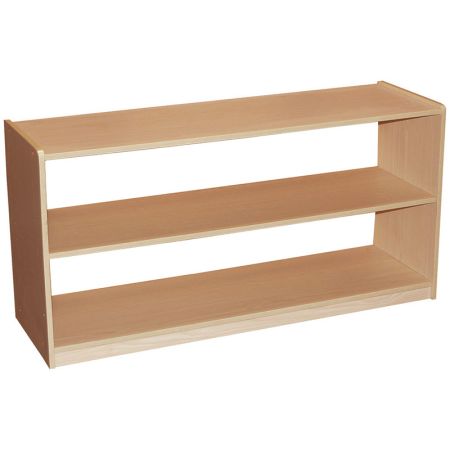
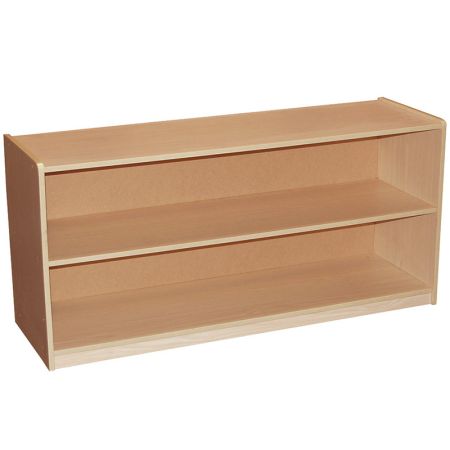
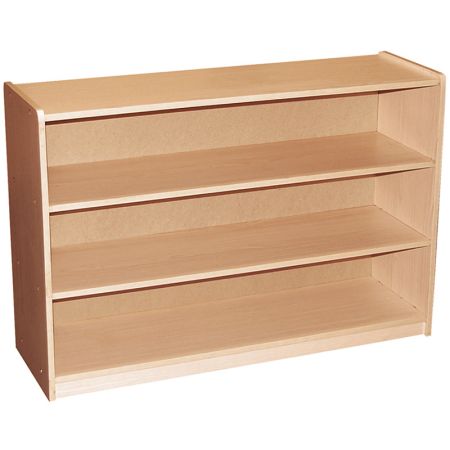
One of the key tenets of Montessori education is teaching children practical life skills. Practical life tools at home can include child-sized kitchen utensils, cleaning supplies, and dressing frames. These tools help children gain independence and confidence by allowing them to participate in daily tasks. A Montessori home setup may feature a low shelf where these tools are easily accessible, so children can choose activities like pouring water, sweeping, or buttoning clothing on their own.

Language and Literacy Tools for Early Learners

Language development is a critical component of Montessori education. Montessori supplies that encourage early reading and writing include sandpaper letters, movable alphabet sets, and phonetic word-building tools. By tracing letters or manipulating small objects, children strengthen their hand-eye coordination and muscle memory while learning letter sounds and formation. Storybooks that are easy to handle and rich in imagery can also help promote language development at home.

Math Tools to Inspire Logical Thinking

Montessori math tools are designed to introduce children to numbers and quantities in a tactile way. Bead chains, number rods, and golden beads are some of the most effective Montessori supplies for early math learning. These tools help children visualize math concepts like counting, addition, subtraction, and place value. Having these materials at home allows children to explore mathematical concepts through touch, promoting better understanding and retention.

Science and Nature Exploration Tools

Encouraging curiosity about the natural world is another hallmark of Montessori education. Montessori supplies for science exploration can include magnifying glasses, nature trays, and plant care kits. These tools help children observe and investigate their environment while developing an appreciation for nature. Additionally, children can engage in simple experiments at home, such as growing plants from seeds or observing the life cycle of butterflies, fostering a love for science and discovery.

Art Supplies for Creative Expression

Art is an integral part of Montessori education, allowing children to express their creativity and develop fine motor skills. Montessori art supplies might include watercolor paints, clay, colored pencils, and scissors designed for small hands. Unlike typical art projects, which focus on a specific end result, Montessori art encourages process-oriented creativity, where children are free to explore colors, textures, and materials without any pressure to create a perfect final product.

Final Thoughts: Creating a Montessori Space at Home

Creating a Montessori-friendly home environment doesn’t require a large budget or extensive materials. It’s about selecting Montessori supplies that encourage independence, curiosity, and hands-on learning. By incorporating a few essential Montessori learning tools into your daily routine, you can support your child’s development and foster a lifelong love of learning.

Blog Resource: https://kidadvancemontessori.blogspot.com/2024/10/Nurturing-Abstract-Thought-with-Montessori-Educational-Materials.html

The Montessori Trinomial Cube: A Key to Building Early Math and Logic Skills

Discovering the Montessori Trinomial Cube

The Montessori Trinomial Cube is a fascinating and educational tool within Montessori classrooms, designed to introduce preschoolers to the basics of math, logic, and spatial reasoning. Though it may look like an intricate puzzle at first glance, this tool offers children a unique way to engage in learning through play. As a staple in preschool settings, the Montessori Trinomial Cube supports essential cognitive and problem-solving skill development, blending fun with educational purpose.

Understanding the Montessori Trinomial Cube

The Trinomial Cube in Montessori education is a hands-on, 3D puzzle composed of 27 wooden blocks, each in different colors and shapes. The arrangement represents the algebraic formula (a+b+c)3(a + b + c)^3(a+b+c)3, with each piece symbolizing part of this equation. Preschoolers initially view it as a colorful puzzle, but as they progress, they start to see patterns and learn how each piece fits together, gradually understanding the steps required to build the cube.

How the Montessori Trinomial Cube Engages Young Learners

This tool works by allowing children to explore problem-solving and critical thinking through tactile play. As they arrange each block within the cube, preschoolers exercise their ability to recognize patterns and order, building a strong foundation for more complex math concepts in the future. The Montessori Trinomial Cube engages preschoolers in learning while also providing a fun, hands-on experience, which aligns with the Montessori approach to education.

Why the Montessori Trinomial Cube Is Ideal for Preschoolers

Kid Advance Montessori Trinomial Cube for preschool offers children an intellectual challenge suited to their natural curiosity and desire to explore. Rather than overwhelming young learners, it presents math in a friendly, approachable format. The cube serves as both an enjoyable activity and a brain-stimulating puzzle, making it an excellent choice for preschool classrooms where children learn best through active engagement and discovery.

Benefits of Using the Montessori Trinomial Cube in Early Education

Introducing the Trinomial Cube in early childhood settings can benefit children in numerous ways:

  1. Problem-Solving Skills: Children enhance their problem-solving abilities by experimenting with how each block fits.
  2. Spatial Reasoning: By working with blocks of different shapes and colors, children improve their spatial awareness and learn about dimensions.
  3. Math Foundations: Though they might not understand algebra yet, preschoolers are building a strong base for future mathematical learning.
  4. Focus and Patience: Completing the cube requires attention to detail and patience, skills that are vital in both academic and personal growth.

Introducing the Montessori Trinomial Cube to Preschoolers

To begin introducing the Montessori Trinomial Cube for preschool, educators can present it as a puzzle that children need to solve. Initially, they can explain the colors and shapes of each piece, guiding children to observe differences and try different placements. Preschoolers often benefit from self-directed exploration, allowing them to play freely and test how pieces fit together. Gradually, teachers can help children recognize the cube’s structure, turning it from a puzzle into a meaningful learning experience.

Encouraging Logical Thinking Through the Trinomial Cube

A primary goal of the Montessori method is fostering independence and logical thinking, and the Trinomial Cube is perfect for this. Preschoolers engaged in arranging the cube learn to make predictions, test them, and refine their approach. This interaction builds essential logical reasoning skills that will support them in academic tasks and beyond, setting the stage for higher-order thinking.

Supporting Math Readiness with the Montessori Trinomial Cube

Although preschoolers might not fully understand the math behind the Trinomial Cube, their experience with it instills a familiarity with sequence, symmetry, and spatial patterns. These concepts become vital as they progress to more advanced math in school. The Trinomial Cube exemplifies the Montessori philosophy that early experiences build the foundation for lifelong learning, making it a worthwhile addition to preschool classrooms.

Building Independence with the Montessori Trinomial Cube

One of the most significant advantages of the Montessori Trinomial Cube is its promotion of independence. Completing the cube independently gives children a strong sense of accomplishment and builds their confidence. Allowing preschoolers to explore this tool on their own empowers them to solve challenges independently, a core Montessori principle that values autonomy in learning.

Sensory Development and the Trinomial Cube

The Montessori Trinomial Cube also supports sensory development, engaging children’s sense of touch, sight, and sound as they work with the blocks. Through handling the various shapes and colors, preschoolers gain a deeper understanding of dimensions and textures, a crucial aspect of early sensory development that reinforces their understanding of the world.

The Montessori Trinomial Cube as a Lifelong Learning Tool

When educators incorporate the Montessori Trinomial Cube for preschool, they are investing in a child’s academic and personal development. This engaging tool demonstrates that learning can be enjoyable and rewarding, teaching preschoolers essential skills like patience, problem-solving, and spatial awareness. The Montessori Trinomial Cube’s unique combination of play and learning makes it a valuable educational tool that supports lifelong learning.

Conclusion: Why the Montessori Trinomial Cube Matters in Early Education

The Montessori Trinomial Cube is more than a simple puzzle; it’s a powerful tool for building critical early skills. In preschool, children are at a stage where they can absorb and process information through hands-on activities. The Trinomial Cube not only introduces children to foundational mathematical concepts but also fosters independence, logical reasoning, and sensory awareness. The Montessori Trinomial Cube stands as a testament to the Montessori belief that children learn best through discovery and exploration.

Resource: https://kidadvancemontessori.blogspot.com/2024/11/The-Montessori-Trinomial-Cube-A-Key-to-Building-Early-Math-and-Logic-Skills.html

Discover the Educational Value of Montessori Puzzle Maps in the Classroom

Introduction to Montessori Puzzle Maps

In the world of Montessori education, learning tools are specifically crafted to encourage independent exploration, hands-on learning, and cognitive development in children. Among these, Montessori Puzzle Maps have become essential resources in Montessori classrooms worldwide. These maps serve as tactile tools that help children not only visualize geography but engage with it on a deeper, sensory level, fostering a lifelong curiosity about the world.

How Montessori Puzzle Maps Support Learning

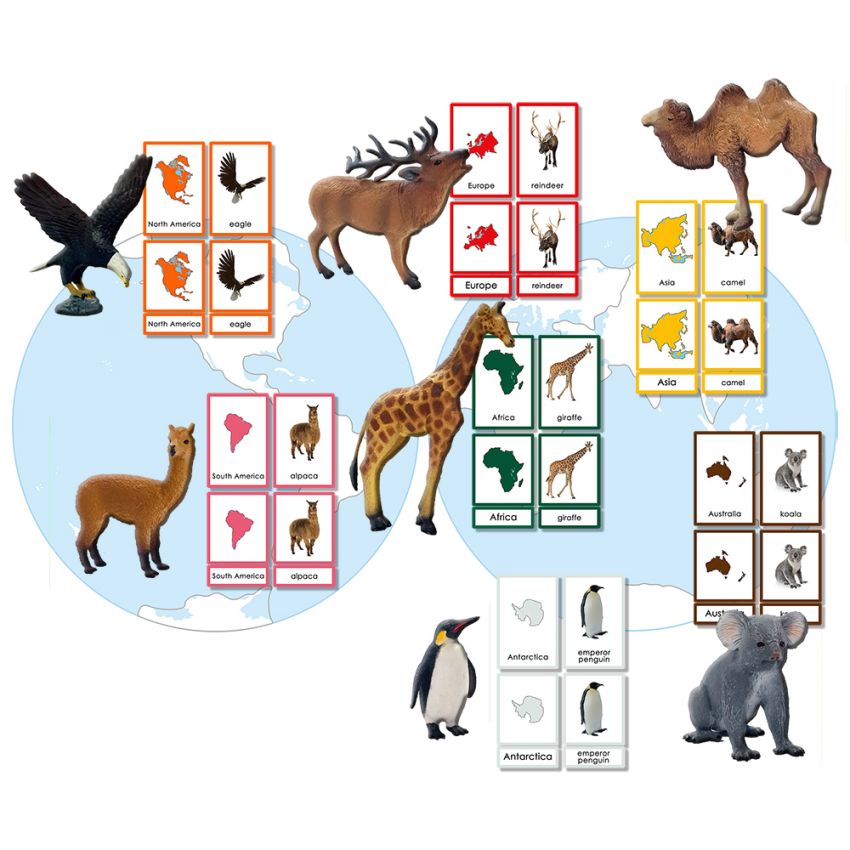
Kid Advance Montessori Puzzle Maps are more than just colorful pieces; they are thoughtfully designed to introduce children to continents, countries, and natural landforms in a hands-on way. This tactile engagement allows students to connect with geography on a sensory level, enhancing retention and understanding. As children work through these maps, they develop spatial awareness, fine motor skills, and an understanding of the world’s diverse regions and cultures. The Montessori approach promotes an inclusive learning environment, enabling children to absorb information in a natural, enjoyable manner.

Why Choose Puzzle Maps for Montessori Classrooms?

In a Montessori classroom, materials are meticulously chosen to support self-guided learning. Puzzle maps for Montessori classrooms are versatile resources that not only introduce geographical concepts but also foster a love of learning in a child-centric way. These maps are accessible and allow children to practice map-reading skills, understand spatial relationships, and engage in individual or group learning activities. Designed to be durable and child-friendly, puzzle maps are the perfect addition to any Montessori environment, encouraging hands-on exploration and a genuine interest in global geography.

Encouraging Fine Motor Skills Through Puzzle Assembly

The act of piecing together Montessori Puzzle Maps is beneficial for developing fine motor skills, as it requires precision and coordination. Each puzzle piece, often shaped like a continent, country, or region, must be placed correctly to complete the map, which calls for careful attention to detail and dexterity. This assembly process allows young learners to build and refine these skills while simultaneously learning geography, promoting an engaging yet educational experience.

Cognitive Development and Map Interpretation

One of the most profound benefits of using puzzle maps for Montessori classrooms is the cognitive development that occurs as children learn to interpret and understand map layouts. These maps introduce basic concepts of topography, water bodies, and landmasses, encouraging children to recognize spatial relationships. Through this, they gain the ability to mentally visualize how different areas of the world are connected, sparking curiosity and a deeper understanding of the world.

Building Memory and Retention Skills

As children repeatedly engage with Montessori Puzzle Maps, they build essential memory and retention skills. By physically handling the pieces and associating them with their locations on the map, children retain geographic knowledge more effectively. Over time, these repeated experiences solidify their understanding of the world’s regions, helping them remember country and continent names, positions, and other features. Puzzle maps, thus, serve as valuable tools in nurturing a child’s memory through consistent practice and exploration.

Fostering Cultural Awareness and Curiosity

One of the primary objectives of using puzzle maps for Montessori classrooms is to foster cultural awareness in students from an early age. By exploring different continents and countries, children develop a natural curiosity about diverse cultures, customs, and traditions around the globe. This early exposure to geography can cultivate empathy and understanding of cultural diversity, helping children appreciate the uniqueness of various regions, peoples, and practices. Puzzle maps serve as initial steps in a lifelong journey of global awareness and tolerance.

Promoting Independence and Self-Directed Learning

In Montessori education, fostering independence is a central goal, and Montessori Puzzle Maps are perfectly suited to this purpose. The maps encourage children to explore and learn independently, empowering them to take charge of their learning journey. Since these maps are structured in a self-explanatory way, they allow children to work at their own pace, whether they’re exploring continents or learning country names. This independence boosts confidence, showing children that they can explore the world of geography on their own.

Enhancing Concentration and Focus

Using puzzle maps for Montessori classrooms also helps develop concentration and focus in young learners. The act of putting together a map demands attention and problem-solving, as children identify where each piece fits. This process not only reinforces their geographic knowledge but strengthens their ability to concentrate over extended periods. By working on these maps, children build patience and focus, skills that are beneficial in all areas of life and learning.

Making Learning Geography Fun and Interactive

Learning geography doesn’t have to be confined to memorizing locations on a flat map. Montessori Puzzle Maps make geography interactive, engaging children with bright colors, varied textures, and distinct shapes that represent different regions. The hands-on nature of these maps transforms learning into a fun, interactive activity that children look forward to, making it easier for them to remember geographic concepts and details. By making geography accessible and enjoyable, puzzle maps foster a positive attitude toward learning.

The Long-Lasting Benefits of Montessori Puzzle Maps

The educational impact of puzzle maps for Montessori classrooms goes beyond just learning geography. These maps introduce children to essential skills, such as critical thinking, problem-solving, and memory retention, that are valuable in every aspect of education. Furthermore, they encourage a lifelong curiosity about the world and respect for its diversity. The Montessori approach, which integrates these maps, helps children build a strong educational foundation that can serve them well into adulthood.

Final Thoughts on Integrating Puzzle Maps in the Classroom

Montessori Puzzle Maps are invaluable assets in fostering a comprehensive understanding of geography in young learners. They provide a hands-on, engaging, and enjoyable way for children to explore the world’s continents, countries, and cultures. Whether used individually or in groups, these puzzle maps allow students to immerse themselves in learning, strengthening their cognitive skills and encouraging independence. For any Montessori classroom, incorporating puzzle maps adds depth and value to the educational experience, nurturing the next generation of curious and informed global citizens.

By incorporating Montessori Puzzle Maps into the learning environment, educators can inspire students to embrace geography and develop a meaningful connection to the world they inhabit. These maps offer much more than just geographical knowledge; they lay the groundwork for essential life skills and an appreciation for the planet’s diversity, making them an ideal choice for any Montessori setting.

Resource: https://kidadvancemontessori.blogspot.com/2024/11/Discover-the-Educational-Value-of-Montessori-Puzzle-Maps-in-the-Classroom.html

The Transformative Impact of Montessori Materials on Early Childhood Education

Understanding the Montessori Method

The Montessori approach to education has gained widespread acclaim for its unique emphasis on child-led learning. It provides children with the tools and autonomy they need to explore, discover, and understand the world around them at their own pace. This methodology employs a range of Montessori materials to create a hands-on learning experience, encouraging children to learn through active participation rather than passive listening. By fostering a deep understanding and appreciation for each subject, Montessori education nurtures a lifelong love for learning.

The Role of Montessori Materials in Child Development

Kid Advance Montessori materials are more than just educational tools; they are designed to support a child’s developmental journey. These materials cater to various areas of learning, such as sensory development, language, mathematics, and cultural understanding, to create a holistic educational experience. They engage multiple senses and promote independent thinking, allowing children to build skills through exploration. This hands-on approach is crucial because it encourages children to learn by doing, fostering skills like concentration, coordination, and problem-solving.

Montessori Sensorial Materials: A Sensory Exploration

Among the most distinctive aspects of Montessori education are the Montessori sensorial materials. These specialized tools are designed to help children refine their senses—sight, touch, hearing, smell, and taste. Montessori sensorial materials introduce children to concepts of shape, color, texture, and sound in a structured way. By engaging their senses, children develop a deeper understanding of their surroundings and learn to differentiate and categorize the world around them. Sensorial materials such as the Pink Tower, Sound Cylinders, and Color Tablets encourage children to fine-tune their sensory perceptions, leading to improved cognitive skills and spatial awareness.

Key Benefits of Montessori Materials

The benefits of Montessori materials are multifaceted. These materials foster independence, creativity, and self-confidence, as children can choose and explore them on their own terms. Montessori materials are self-correcting, meaning that children can identify their own mistakes and learn to solve problems independently. This process of discovery enhances critical thinking and decision-making skills. Additionally, Montessori materials are designed to introduce abstract concepts in a tangible way, making them easier for young minds to grasp.

Hands-On Learning with Montessori Sensorial Materials

Hands-on learning is the cornerstone of Montessori education, and Montessori sensorial materials play an essential role in this. By allowing children to explore through their senses, these materials engage young learners in an experiential manner. For example, the Rough and Smooth Boards teach children to discern textures, while the Sound Boxes encourage auditory discrimination. These materials are carefully crafted to stimulate specific senses, creating a powerful connection between sensory exploration and cognitive development. Through repeated use, children develop fine motor skills and gain the ability to concentrate and focus.

Encouraging Independence and Self-Discipline

A significant advantage of using Montessori materials is that they encourage self-discipline and independence. Each child in a Montessori environment is given the freedom to choose activities according to their interests and abilities. Montessori materials are designed to be attractive and intuitive, allowing children to learn how to use them independently. This promotes a sense of responsibility as they learn to care for and respect the materials and the learning environment. By encouraging children to manage their own learning process, Montessori education instills a sense of autonomy and self-motivation that benefits them throughout life.

Montessori Mathematics: Building a Strong Foundation

Montessori materials are also pivotal in introducing mathematical concepts. Unlike conventional rote memorization, Montessori math materials use tangible objects to demonstrate abstract mathematical concepts, making them easier to understand. Beads, rods, and boards help children learn counting, addition, subtraction, and other mathematical operations through visualization. These materials are sequential, progressing from simple to complex, ensuring that children build a solid foundation in math. This method not only makes learning math enjoyable but also equips children with a deep comprehension of numbers, patterns, and logical thinking.

Language Development through Montessori Materials

In a Montessori environment, language development is supported by various hands-on materials that encourage reading, writing, and phonetic awareness. Montessori language materials, such as Sandpaper Letters and the Moveable Alphabet, introduce children to letter sounds and writing mechanics in an interactive way. By tracing letters and combining sounds, children develop phonemic awareness, which is fundamental to literacy. This immersive approach allows children to progress at their own pace, building confidence as they master each new skill.

Cultural Awareness and Diversity

Montessori education emphasizes cultural understanding, providing children with a global perspective. Cultural materials in a Montessori classroom introduce concepts related to geography, history, art, and science. By learning about different cultures, children develop respect and appreciation for diversity. Montessori materials related to culture encourage children to explore maps, flags, artifacts, and scientific specimens, allowing them to build a well-rounded view of the world. This cultural awareness fosters empathy and prepares children to be responsible global citizens.

Practical Life Skills: Preparing for Real-World Challenges

Practical life skills are an integral part of Montessori education, focusing on real-world applications that prepare children for everyday tasks. Montessori materials related to practical life activities, such as pouring, buttoning, and sweeping, teach children to care for themselves and their environment. These activities not only improve fine motor skills but also foster a sense of accomplishment and responsibility. Practical life exercises encourage children to be mindful of their surroundings and develop problem-solving abilities that are applicable in real-world situations.

The Lasting Impact of Montessori Education

The skills acquired through Montessori materials have a lasting impact on a child’s development. By engaging in a learning environment that values curiosity, independence, and respect for others, children grow into confident and capable individuals. Montessori materials, such as the Montessori sensorial materials, provide foundational experiences that shape a child’s future approach to learning. As children progress, the values instilled through Montessori education continue to guide their personal and academic pursuits, helping them thrive in various aspects of life.

Conclusion: Embracing the Montessori Way

Montessori materials are more than educational tools; they are gateways to exploration, discovery, and growth. By emphasizing hands-on learning, independence, and sensory development, Montessori materials offer a unique approach to education that encourages children to learn joyfully and with purpose. Whether it’s through the use of Montessori sensorial materials or math manipulatives, each experience enriches a child’s understanding of the world and prepares them for lifelong success. Montessori education, with its thoughtfully designed materials, provides an invaluable foundation that empowers children to reach their full potential in a nurturing and engaging environment.

Resource: https://kidadvancemontessori.blogspot.com/2024/11/The-Transformative-Impact-of-Montessori-Materials-on-Early-Childhood-Education.html

How to Choose the Best Montessori Supplies for Your Classroom

Introduction:

Welcome to Kid Advance Montessori, where we understand the significance of providing top-notch Montessori supplies for your classroom. As educators ourselves, we recognize the pivotal role that high-quality materials play in fostering a conducive learning environment. In this guide, we’ll walk you through the essential factors to consider when selecting Montessori supplies that align with your teaching philosophy and meet the diverse needs of your students.

Understanding Your Classroom Needs:

First and foremost, it’s crucial to assess the unique requirements of your classroom. Consider factors such as the age group of your students, the size of your class, and any specific learning objectives you aim to achieve. By gaining a comprehensive understanding of your classroom dynamics, you can make informed decisions when choosing Montessori supplies that cater to your students’ developmental stages and interests.

Quality Over Quantity:

At Kid Advance Montessori, we prioritize quality over quantity. While it may be tempting to purchase a plethora of supplies, it’s essential to invest in materials that are durable, safe, and conducive to hands-on learning experiences. Opt for Montessori supplies crafted from high-quality materials such as wood, metal, or natural fibers, as they are not only eco-friendly but also promote sensory exploration and tactile stimulation.

Aligning with Montessori Principles:

Central to the Montessori approach is the belief in child-led learning and the importance of fostering independence and autonomy. When selecting Montessori supplies for your classroom, ensure that they align with these principles. Look for materials that encourage self-directed exploration, promote concentration, and facilitate practical life skills development. From sensorial materials to language and math manipulatives, choose supplies that empower your students to learn at their own pace and discover their innate abilities.

Promoting Multisensory Learning:

One of the hallmarks of Montessori education is its emphasis on multisensory learning experiences. As such, it’s essential to incorporate a variety of tactile, visual, and auditory stimuli into your classroom environment. Select Montessori supplies that engage multiple senses simultaneously, allowing students to fully immerse themselves in the learning process. Whether it’s textured tactile tablets, colorful geometric shapes, or musical instruments, embracing multisensory learning can enhance cognitive development and promote holistic learning outcomes.

Cultivating a Nurturing Environment:

Beyond academic achievement, Montessori education places a strong emphasis on the social and emotional development of students. When choosing Montessori supplies, prioritize materials that facilitate cooperative play, encourage social interaction, and promote empathy and compassion. From collaborative building sets to multicultural dolls and puppets, integrating items that reflect diversity and inclusivity can foster a sense of belonging and community within your classroom.

Supporting Sustainability: As stewards of the environment, we believe in promoting sustainability in every aspect of our lives, including education. When selecting Montessori supplies, consider the environmental impact of the materials used and opt for eco-friendly alternatives whenever possible. Choose supplies that are ethically sourced, recyclable, and free from harmful chemicals, thus instilling in your students a sense of environmental responsibility and ecological awareness.

Conclusion:

In conclusion, choosing the best Montessori supplies for your classroom is a thoughtful and purposeful process. By considering factors such as your classroom needs, quality, alignment with Montessori principles, multisensory learning opportunities, nurturing environment, and sustainability, you can create an enriching learning environment that inspires curiosity, creativity, and lifelong love for learning. At Kid Advance Montessori, we’re committed to providing you with the highest quality Montessori supplies that support your educational journey and empower your students to thrive.

Introduction to Integrating Montessori Materials at Home

The philosophy of Montessori education extends far beyond the classroom. Since our establishment in 2006, we’ve been passionate advocates for incorporating Montessori principles and materials into everyday home life. The adaptability and appeal of Montessori materials make them perfect for seamlessly blending into the rhythm of family life. In this blog, we’ll delve into how you can integrate these materials into your daily routine, enriching your child’s learning environment.

Creating a Montessori-Friendly Home Environment

One of the initial steps in integrating Montessori materials from Kid Advance Inc. into your home is establishing a Montessori-friendly environment. This involves setting up spaces that are safe, accessible, and inviting for children. Our range of Montessori materials, particularly in practical life and sensorial activities, are designed to be engaging and appropriate for young learners. Placing these materials on low shelves within easy reach encourages independence and exploration, fundamental aspects of the Montessori Method.

Practical Life Activities in Daily Living

Practical life is a core element of Montessori education, focusing on activities that develop fine motor skills, concentration, and responsibility. At home, this can translate to simple tasks like sorting laundry, watering plants, or setting the table. Our practical life materials are tailored to these everyday tasks, allowing children to participate in household chores with tools perfectly sized for their small hands.

Infusing Geography and Botany into Everyday Life

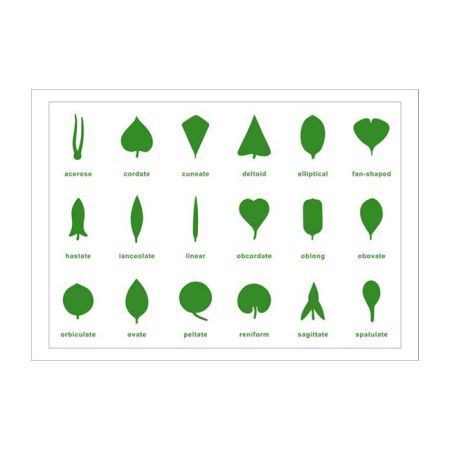
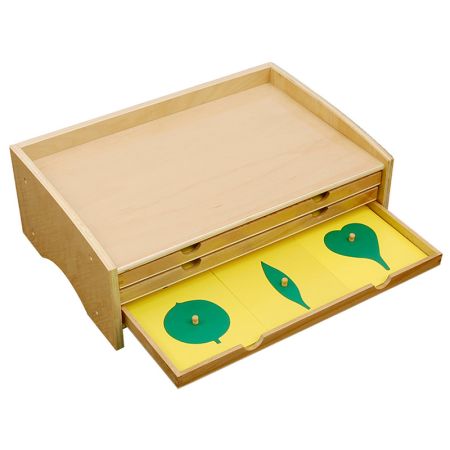
Geography and botany are two areas where Montessori materials can significantly enhance home learning. Our collection provides various tools and materials that can be incorporated into regular play and exploration. For instance, children can learn about different continents through puzzle maps or explore plant life with our botany puzzles. These activities are not only educational but also aid in developing spatial reasoning and cognitive skills.

Incorporating Language and Mathematics into Daily Routines

Supporting language acquisition and numeracy is seamless with Montessori materials. Our language and mathematics materials are crafted to be educational and engaging. Integrating these into daily routines can be as simple as counting steps with your child or using sandpaper letters for alphabet introduction. These materials aid in building a solid foundation in reading, writing, and arithmetic through tactile learning experiences.

Enhancing Sensorial Experiences at Home

Sensorial materials are key to Montessori education, aimed at refining the senses and enriching understanding of the world. At home, these can be integrated in numerous ways. For example, using texture fabrics during laundry or identifying sounds with our auditory materials. These activities not only heighten sensory awareness but also facilitate cognitive development.

Conclusion: A Holistic Approach to Learning and Living

Incorporating Montessori materials into everyday home life is about more than academic development; it’s about nurturing a well-rounded individual. We believe in this holistic approach to learning. Our range of high-quality Montessori materials, from biology to practical life skills, are instruments that foster independence, curiosity, and a love for learning in the most natural setting – your home. Embrace this approach, and witness the beautiful blend of learning and living unfold within your family.

Design a site like this with WordPress.com
Get started