The Role of Montessori Materials in Promoting Independent Learning

Introduction to Montessori Education

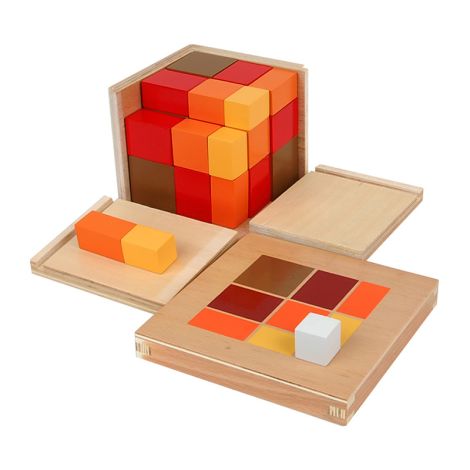
Montessori education is an educational approach developed by Dr. Maria Montessori in the early 20th century. It emphasizes hands-on learning, independence, and respect for a child’s natural psychological development. Central to this method are Montessori materials—carefully designed educational tools that cater to various aspects of a child’s growth. These materials play a crucial role in fostering independent learning, a cornerstone of the Montessori philosophy.

What Are Montessori Materials?

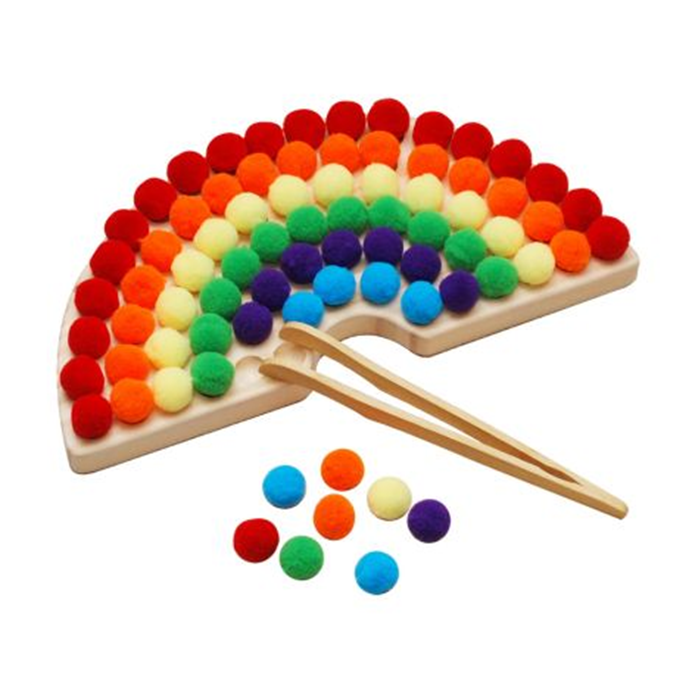
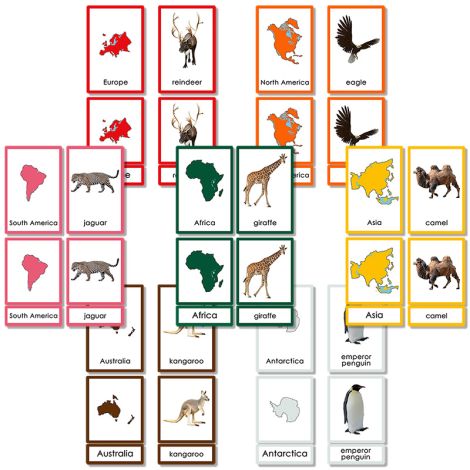
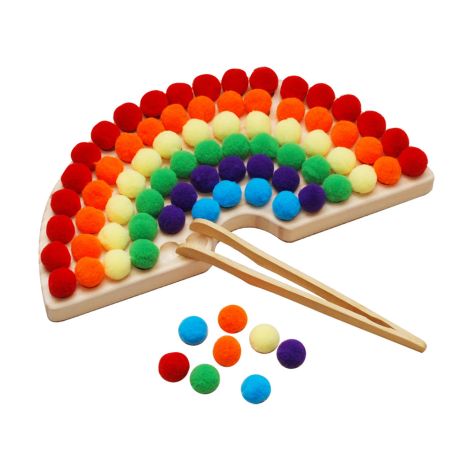
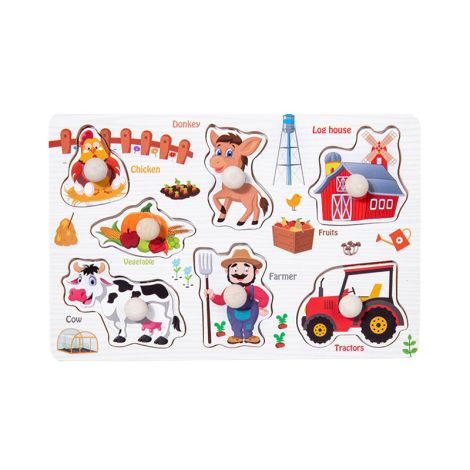
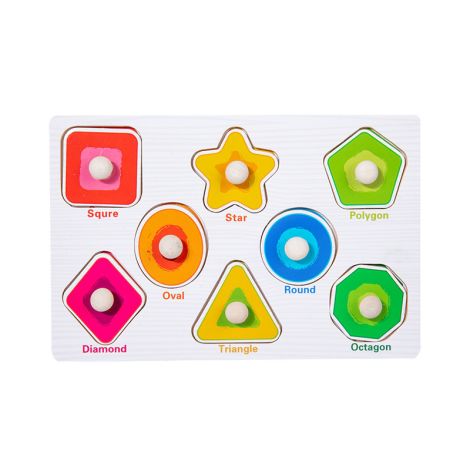
Kid Advance Montessori materials are not just ordinary classroom tools; they are meticulously crafted to align with a child’s developmental needs. Each material is designed with a specific purpose in mind, whether it be to refine motor skills, develop mathematical understanding, or enhance language abilities. These materials are usually made from natural, tactile materials like wood, which provide a sensory experience that is both educational and enjoyable for children.

Promoting Independence Through Self-Correcting Tools

One of the unique features of Montessori materials is their self-correcting nature. When a child works with these materials, they can immediately see and correct their own mistakes without the need for adult intervention. This fosters a sense of independence as children learn to trust their own judgment and abilities. For example, the Montessori Pink Tower, a set of graduated cubes, helps children understand concepts of size and order by allowing them to correct the tower if the cubes are placed incorrectly. This process of trial and error is fundamental in developing self-reliance and confidence.

Encouraging Exploration and Curiosity

Montessori materials are designed to be inviting and engaging, sparking a child’s natural curiosity. These materials often incorporate bright colors, interesting textures, and intriguing shapes that attract children’s attention. By engaging with these materials, children are encouraged to explore and discover new concepts on their own. This exploration is not just limited to the classroom; it extends to how children approach problem-solving in daily life. The independence gained through these materials lays the foundation for lifelong learning and curiosity.

Supporting Different Learning Styles

Every child learns differently, and Montessori materials cater to these diverse learning styles. Whether a child is a visual, auditory, or kinesthetic learner, there are materials that suit their needs. For instance, children who learn best through touch can benefit from Montessori sandpaper letters, which help them understand the shapes and sounds of letters through tactile engagement. By providing a range of materials, Montessori classrooms ensure that each child can learn in a way that feels natural to them, further promoting independence in their educational journey.

Developing Concentration and Focus

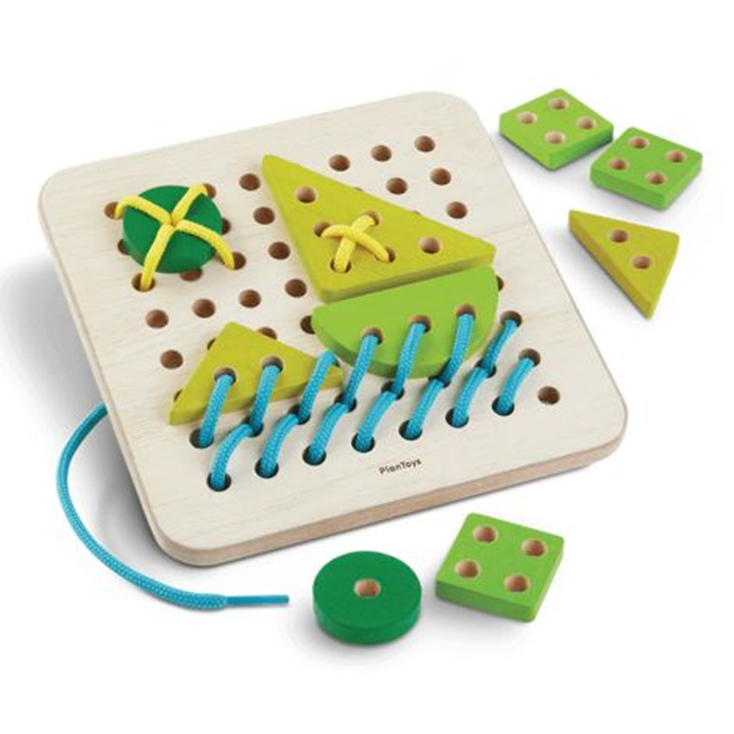
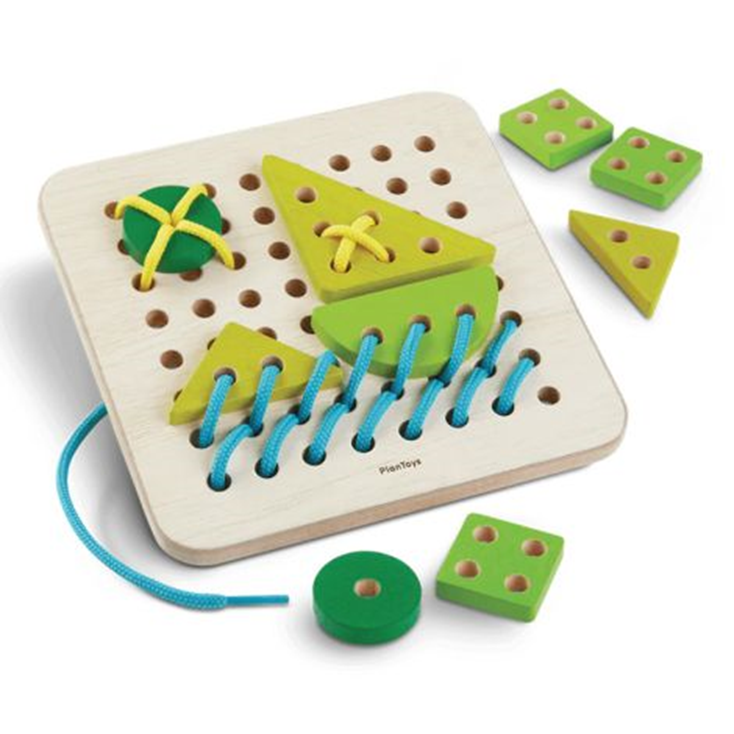
Another significant benefit of Montessori materials is their ability to help children develop concentration and focus. Many of these materials require careful attention and repeated use to master, which naturally cultivates a child’s ability to focus on a task. For example, activities like threading beads or arranging objects by size require patience and precision. Over time, this practice helps children to extend their concentration span, an essential skill not just in academic settings but in life in general.

Building a Foundation for Lifelong Learning

Montessori materials are more than just educational tools; they are building blocks for lifelong learning. By promoting independent learning from an early age, these materials instill in children a sense of responsibility for their own education. As children grow and encounter new challenges, the independence and confidence developed through the use of Montessori materials enable them to approach learning with an open mind and a positive attitude. This self-directed approach to learning encourages continuous growth and adaptability, skills that are essential in today’s rapidly changing world.

Conclusion: The Enduring Impact of Montessori Materials

Montessori materials play a pivotal role in shaping a child’s educational experience. By fostering independence, encouraging exploration, and supporting diverse learning styles, these materials equip children with the tools they need to succeed not just in school but in life. The independence cultivated through Montessori materials is a gift that children carry with them into adulthood, making them more resilient, adaptable, and eager to learn.

Resource: https://kidadvancemontessori.blogspot.com/2024/08/The-Role-of-Montessori-Materials-in-Promoting-Independent-Learning.html

How Montessori Puzzle Maps Enhance Geographic Skills in Children

Introduction to Montessori Puzzle Maps

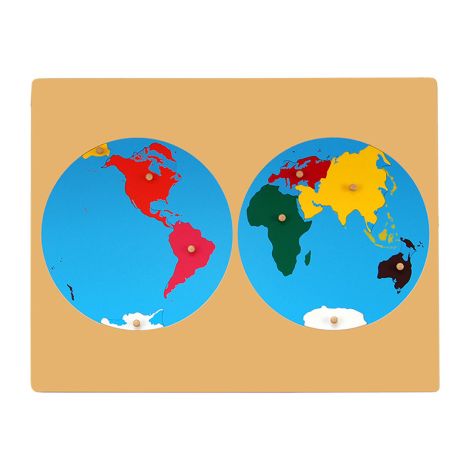
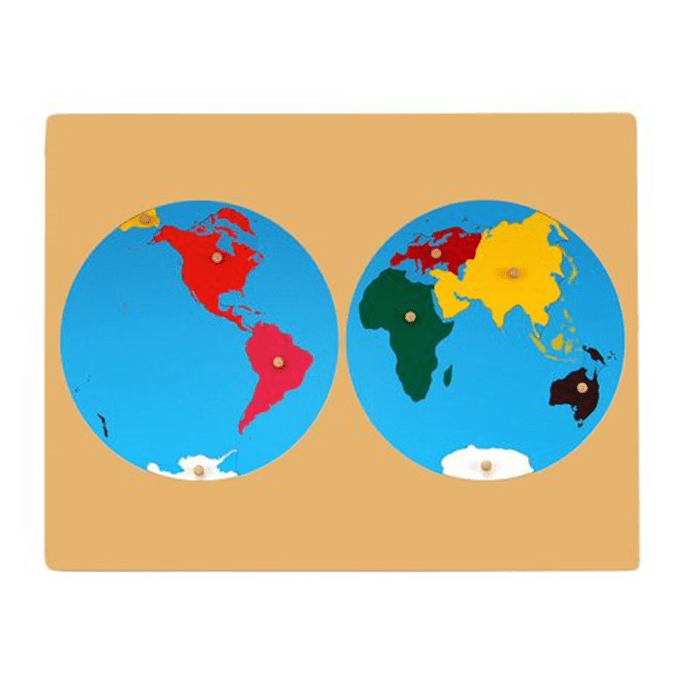
Montessori Puzzle Maps are an innovative educational tool designed to engage children in learning about geography. These maps are crafted in a way that combines hands-on interaction with visual and tactile stimulation. By integrating the Montessori approach, which emphasizes self-directed activity and learning through play, these puzzles offer a unique way for children to explore and understand the world around them.

Developing Spatial Awareness

One of the primary benefits of Montessori Puzzle Maps is their ability to develop spatial awareness in young learners. As children manipulate the puzzle pieces, they gain a better understanding of how different regions and countries fit together. This hands-on experience helps them visualize the relationships between various geographical locations, making abstract concepts more concrete and easier to grasp.

Encouraging Independent Learning

Kid Advance Montessori Puzzle Maps are designed to be used independently, allowing children to learn at their own pace. This independence is a core principle of the Montessori method, fostering a sense of autonomy and self-confidence. As children piece together the maps, they are not only learning about geography but also developing problem-solving skills and critical thinking abilities.

Enhancing Memory Retention

The tactile nature of Montessori Puzzle Maps aids in memory retention. When children physically handle the pieces and place them in the correct spots, they are more likely to remember the names and locations of countries and continents. This kinesthetic approach reinforces learning by engaging multiple senses, which can lead to better long-term recall of geographical information.

Promoting Fine Motor Skills

In addition to cognitive benefits, Montessori Puzzle Maps also promote the development of fine motor skills. As children grasp, rotate, and fit the puzzle pieces, they are refining their hand-eye coordination and dexterity. This physical manipulation of the puzzle pieces is not only essential for geographical learning but also contributes to overall motor skill development.

Fostering a Love for Geography

Montessori Puzzle Maps make learning about geography enjoyable and interactive. By presenting geographical concepts in a playful and engaging way, these puzzles help cultivate a child’s interest in the subject. This positive experience can inspire a lifelong curiosity about the world and encourage further exploration of global cultures and locations.

Supporting Visual and Cognitive Learning

The visual appeal of Montessori Puzzle Maps enhances cognitive learning. The bright colors and detailed illustrations capture children’s attention and make learning more engaging. This visual stimulation supports cognitive development by helping children associate visual information with geographical concepts, reinforcing their understanding through a combination of visual and hands-on learning.

Conclusion

Montessori Puzzle Maps offer a multifaceted approach to teaching geography that aligns with the principles of the Montessori method. By integrating tactile, visual, and cognitive elements, these puzzles provide a comprehensive learning experience that benefits children in multiple ways. From enhancing spatial awareness and memory retention to promoting fine motor skills and fostering a love for geography, Montessori Puzzle Maps are a valuable educational tool that supports children’s geographic understanding and overall development.

The Role of Montessori Math Materials in Building Strong Numeracy Skills

Montessori education stands out for its holistic approach to early childhood learning, emphasizing independence, self-directed activity, and hands-on exploration. Central to this approach are the Montessori educational materials, meticulously designed to nurture children’s natural curiosity and facilitate deep understanding, especially in mathematical concepts.

Foundations of Montessori Math Education

At the heart of Montessori math education lie the carefully crafted materials that serve as essential tools for learning. Unlike traditional educational methods, Montessori math materials are not just aids; they are integral to the learning process itself. These materials are designed to provide children with concrete experiences that lay the groundwork for abstract mathematical thinking.

Hands-On Learning and Conceptual Understanding

One of the distinctive features of Montessori math materials by Kid Advance is their emphasis on hands-on learning. Children engage with physical manipulatives such as number rods, bead materials, and counters, which allow them to explore mathematical concepts through direct sensory experiences. For example, the Montessori Number Rods help children visualize and internalize number sequences and relationships through manipulation and observation.

Sequential Progression in Learning

Montessori math materials are organized in a sequential and hierarchical manner, respecting the natural developmental stages of children. This structured progression ensures that each material builds upon the previous one, guiding children from the concrete to the abstract understanding of mathematical concepts. For instance, the Montessori Golden Beads introduce children to place value and operations like addition, subtraction, multiplication, and division in a logical sequence that supports deep comprehension.

Encouraging Self-Directed Exploration

Another fundamental aspect of Montessori education is its encouragement of self-directed exploration and discovery. The design of Montessori math materials allows children to work independently, choosing materials that match their current interests and developmental stage. This autonomy not only fosters a sense of responsibility and confidence but also promotes a genuine love for learning mathematics.

Promoting Problem-Solving Skills and Critical Thinking

Beyond the acquisition of mathematical knowledge, Montessori math materials cultivate essential skills such as problem-solving and critical thinking. By engaging with materials that require manipulation and reasoning, children learn to approach mathematical challenges creatively and methodically. This process not only enhances their numeracy skills but also prepares them for future academic and real-world problem-solving scenarios.

Conclusion

In essence, Montessori math materials play a pivotal role in nurturing strong numeracy skills by providing children with a solid foundation in mathematics through hands-on exploration, sequential learning, and self-directed discovery. By integrating these materials into the learning environment, Montessori educators empower children to develop a deep and lasting understanding of mathematical concepts that extends far beyond rote memorization. This approach not only prepares children academically but also instills in them a lifelong passion for learning and exploring the fascinating world of mathematics.

Resource: https://kidadvancemontessori.blogspot.com/2024/07/The-Role-of-Montessori-Math-Materials-in-Building-Strong-Numeracy-Skills.html

Montessori Puzzle Maps: A Guide to Enhancing Geography Skills in Children

Montessori education is renowned for its child-centered approach, fostering independence and a love for learning through hands-on activities. One of the most engaging tools used in Montessori classrooms to teach geography is the puzzle map. These maps not only enhance a child’s geographical knowledge but also support their cognitive and motor development.

Introduction to Montessori Puzzle Maps

Kid Advance Montessori puzzle maps are intricately designed educational tools that consist of pieces representing different countries or regions of a continent. Each piece is crafted to fit precisely into a corresponding location on a base map. The tactile experience of handling the pieces aids in the retention of geographical information, making learning an active and enjoyable process for children.

Benefits of Montessori Puzzle Maps

Using Montessori puzzle maps offers numerous benefits. Firstly, it helps children develop a strong understanding of world geography. As they manipulate the pieces, they learn about the location, shape, and size of each country or region. This hands-on method is far more effective than traditional rote memorization techniques.

Moreover, these maps enhance fine motor skills. The act of picking up, placing, and fitting the pieces requires dexterity and precision, which strengthens the small muscles in the hands and fingers. This can also improve hand-eye coordination, a critical skill for young children.

Encouraging Cognitive Development

Montessori puzzle maps are excellent tools for cognitive development. When children work with these maps, they engage in problem-solving and critical thinking. They must analyze the shapes and sizes of different pieces and determine where they fit on the base map. This process helps develop spatial awareness and logical reasoning.

Additionally, the maps can be used to introduce and reinforce the concept of continents, countries, and regions. Teachers and parents can provide context about each place, discussing its culture, language, and landmarks. This not only broadens a child’s geographical knowledge but also fosters an appreciation for diversity and global interconnectedness.

Incorporating 100% Pure Organic Oils in Geography Lessons

While geography and essential oils might seem unrelated, incorporating 100% pure organic oils into geography lessons can enhance the sensory experience and make learning more memorable. For instance, when studying countries known for specific scents, such as lavender from France or eucalyptus from Australia, children can smell the corresponding essential oil. This multi-sensory approach can deepen their connection to the material and improve retention.

Practical Tips for Using Montessori Puzzle Maps

To effectively use Montessori puzzle maps, it’s important to follow a few practical tips. Start by introducing the map as a whole, pointing out and naming each country or region. Allow children to explore the map independently, encouraging them to handle and fit the pieces without pressure.

Gradually introduce more complex concepts, such as the capital cities, major landmarks, and cultural practices of different regions. Use storytelling to make the information more engaging and relatable. For example, tell a story about a child traveling through South America, visiting famous sites, and experiencing local customs.

Integrating Puzzle Maps into Daily Learning

Montessori puzzle maps can be seamlessly integrated into daily learning routines. Set aside time each day for geography activities, making them a regular part of the curriculum. Combine map work with other subjects, such as history or science, to provide a holistic learning experience. For example, when studying ancient civilizations, use the maps to show where these civilizations were located.

Conclusion

Montessori puzzle maps are invaluable tools for enhancing geography skills in children. They provide a hands-on, engaging way to learn about the world, fostering cognitive and motor development. By incorporating 100% pure organic oils into geography lessons, educators can create a multi-sensory learning experience that is both enjoyable and educational. Through regular use and creative integration, these maps can inspire a lifelong interest in geography and global awareness in young learners.

Why the Montessori Geometric Cabinet Is Essential for Early Childhood Development

Introduction to the Montessori Geometric Cabinet

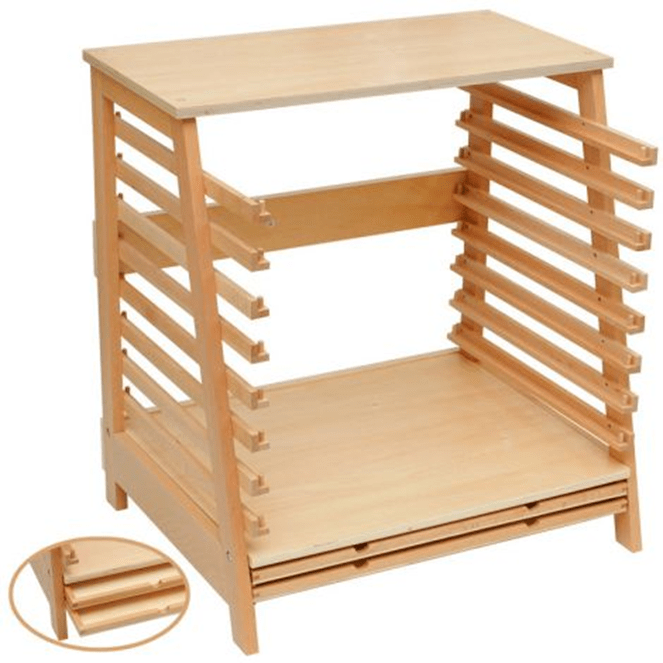
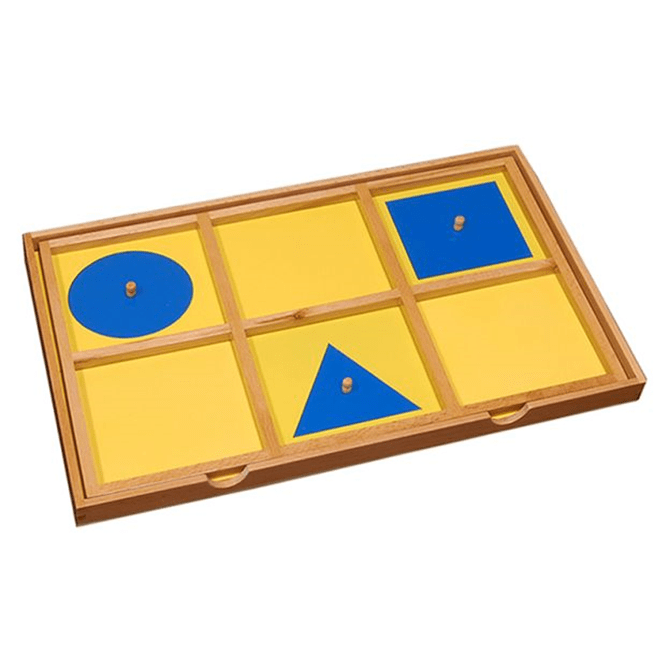
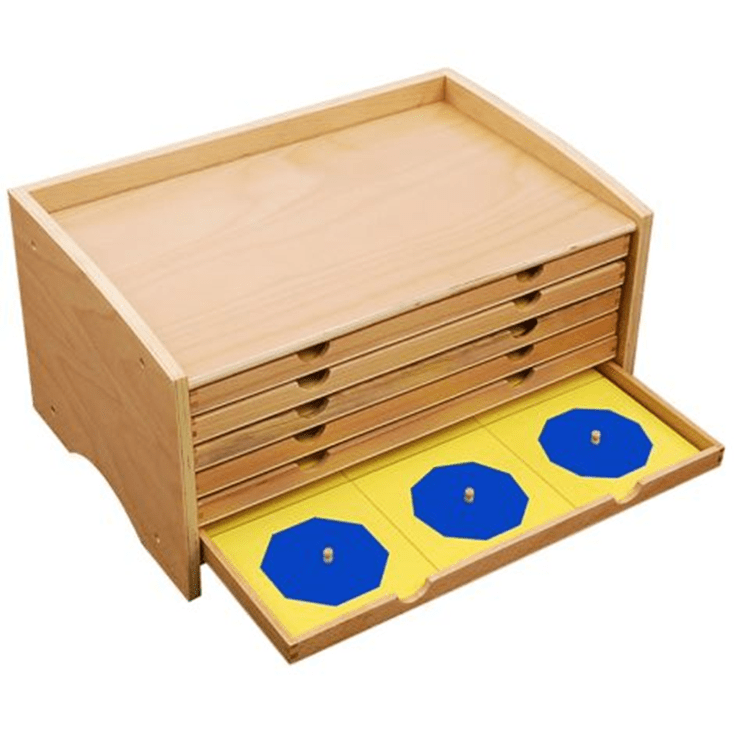
The Montessori Geometric Cabinet is a key educational tool used in early childhood development. It consists of a wooden cabinet containing various geometric shapes that help children develop a strong foundation in geometry. Unlike traditional teaching methods, the Montessori approach emphasizes hands-on learning, which makes the Geometric Cabinet an essential resource in Montessori classrooms.

The Structure of the Montessori Geometric Cabinet

The cabinet contains six drawers, each filled with different geometric shapes like circles, squares, triangles, and polygons. Each shape comes with a corresponding template and insets, allowing children to trace, match, and feel the shapes. This tactile experience is crucial for young learners as it helps them internalize geometric concepts through touch and manipulation.

Benefits of Using the Montessori Geometric Cabinet

One of the primary benefits of the Geometric Cabinet is that it enhances a child’s spatial awareness and geometric understanding. By working with these shapes, children learn to recognize and differentiate between various geometric forms. This early exposure to geometry lays the groundwork for more complex mathematical concepts they will encounter later in their education.

Promoting Fine Motor Skills and Coordination

Using the Geometric Cabinet also aids in the development of fine motor skills and hand-eye coordination. As children trace shapes and handle the templates and insets, they improve their dexterity and control. These activities are not only educational but also enjoyable for children, making learning a pleasurable experience.

Encouraging Independent Learning

The Montessori approach encourages self-directed learning, and the Geometric Cabinet is an excellent tool for this. Children are free to explore the cabinet at their own pace, experimenting with different shapes and templates. This independence fosters a sense of responsibility and confidence in their learning abilities, which is a core principle of Montessori education.

Integration with Other Montessori Materials

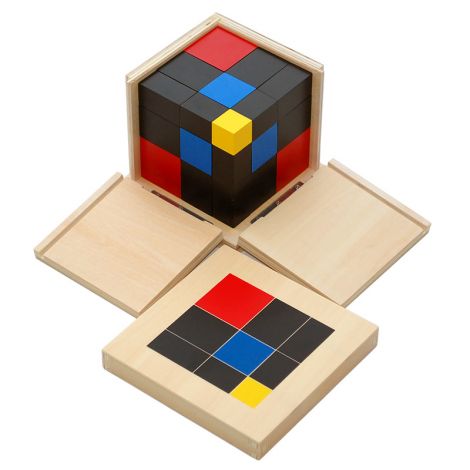
Kid Advance Montessori Geometric Cabinet is designed to complement other Montessori materials, such as the Montessori Trinomial Cube and the Binomial Cube. Together, these tools provide a comprehensive understanding of mathematical and geometric concepts. The use of the Geometric Cabinet alongside these materials ensures a well-rounded educational experience that covers various aspects of geometry and spatial reasoning.

Enhancing Cognitive Development

Geometric shapes play a crucial role in cognitive development. The Geometric Cabinet helps children improve their problem-solving skills and logical thinking. As they work with different shapes and templates, they learn to recognize patterns, understand symmetry, and develop an appreciation for the beauty of geometric forms. This cognitive development is essential for their overall intellectual growth.

Supporting Language Development

Interestingly, the Geometric Cabinet also supports language development. As children learn the names of different shapes and describe their characteristics, they expand their vocabulary and improve their verbal communication skills. This integration of geometry and language is another example of how Montessori materials promote holistic development.
Real-World Applications

The skills children acquire through using the Geometric Cabinet have real-world applications. Understanding geometric shapes is fundamental in various fields such as architecture, engineering, and art. By developing a strong foundation in geometry at an early age, children are better prepared for future academic and career opportunities.

The Role of the Teacher

While the Geometric Cabinet allows for independent exploration, the role of the teacher is still vital. Montessori teachers guide children through the use of the cabinet, providing support and encouragement when needed. They observe the children’s progress and introduce new challenges to keep them engaged and motivated.

Conclusion

The Montessori Geometric Cabinet is an indispensable tool for early childhood education. It promotes a deep understanding of geometric concepts, enhances fine motor skills, encourages independent learning, and supports cognitive and language development. By integrating the Geometric Cabinet with other Montessori materials like the Montessori Trinomial Cube, educators can provide a rich and diverse learning experience that prepares children for future academic success. Investing in a Montessori Geometric Cabinet is not just about teaching geometry; it’s about fostering a lifelong love of learning in young children.

Exploring the Montessori Pink Tower: A Guide to Its History and Purpose

Introduction to the Pink Tower

The Montessori Pink Tower is a foundational educational tool used in Montessori classrooms worldwide. This simple yet powerful learning aid consists of ten pink cubes, varying in size from 1 cm³ to 10 cm³, that children stack from largest to smallest. Designed by Dr. Maria Montessori, the Pink Tower is more than just a toy; it’s a meticulously crafted educational apparatus that aids in developing various skills in young learners.

The History of the Pink Tower

The origins of the Pink Tower trace back to the early 1900s when Dr. Maria Montessori, an Italian physician and educator, was developing her revolutionary educational approach. Montessori observed that children learn best through hands-on, sensory experiences. She created the Pink Tower to provide a concrete way for children to understand abstract concepts like size, dimension, and order. The uniform pink color eliminates distractions, allowing children to focus on the shapes and sizes of the cubes.

The Design and Construction of the Pink Tower

Each of the ten cubes in the Pink Tower is made from high-quality, smooth wood and painted in a uniform shade of pink. The smallest cube measures 1 cm³, while the largest measures 10 cm³. The consistent increase in size by 1 cm³ per cube helps children visually and tactilely grasp the concept of progression and dimension. The color pink was chosen by Montessori to appeal to children and encourage engagement without overwhelming their senses.

Educational Purpose and Benefits

The primary purpose of the Pink Tower by Kid Advance is to refine a child’s visual and muscular perception of size. By handling and arranging the cubes, children enhance their fine motor skills and hand-eye coordination. They also develop their ability to concentrate, practice patience, and follow a sequence, which are crucial skills for future learning.

Developing Mathematical Understanding

The Pink Tower introduces basic mathematical concepts to children. As they stack the cubes, they begin to understand the relationships between different sizes, laying the groundwork for later learning in geometry and spatial awareness. The precise gradation in size helps children develop a sense of order and sequence, essential for mathematical thinking.

Enhancing Problem-Solving Skills

Through experimenting with the Pink Tower, children engage in problem-solving. They learn to identify and correct mistakes when stacking the cubes, fostering critical thinking and perseverance. This process encourages them to approach challenges methodically and enhances their ability to think independently.

Practical Life Skills through Play

The Pink Tower also plays a role in developing practical life skills. As children manipulate the cubes, they practice precision and control, which are necessary for everyday tasks such as writing, dressing, and using utensils. The repetitive nature of stacking and unstacking the cubes reinforces these skills and builds muscle memory.

Integrating the Pink Tower in a Montessori Classroom

In a Montessori classroom, the Pink Tower is typically introduced to children around the age of three. Teachers demonstrate how to use the tower, showing children how to carefully carry each cube to a mat and stack them in order from largest to smallest. This demonstration is crucial, as it sets the stage for independent exploration and learning.

Encouraging Independent Learning

One of the core principles of Montessori education is fostering independence in children. The Pink Tower is designed to be self-correcting, meaning that children can see and feel when they’ve made a mistake and adjust accordingly. This autonomy boosts their confidence and motivates them to learn through their own efforts.

Collaborative Learning Opportunities

While the Pink Tower is often used individually, it also provides opportunities for collaborative learning. Children can work together to build the tower, sharing ideas and helping each other. This collaboration enhances social skills and teaches children the value of teamwork and cooperation.

Conclusion: The Enduring Value of the Pink Tower

The Montessori Pink Tower remains a timeless educational tool, embodying the principles of Montessori education. Its simplicity and effectiveness in teaching essential skills make it an invaluable resource in early childhood education. By engaging with the Pink Tower, children develop foundational skills that support their academic growth and personal development, laying a strong foundation for lifelong learning.

The Top Montessori Supplies Every Classroom Should Have

In the dynamic landscape of education, the Montessori method stands as a beacon of innovation and effectiveness. Championed by Dr. Maria Montessori, this approach emphasizes experiential learning, self-discovery, and collaborative engagement. Central to its success are the meticulously crafted Montessori materials, each designed to ignite curiosity and facilitate holistic development. Let’s explore the essential Montessori supplies that every classroom should integrate, nurturing an environment where students thrive and flourish.

1. Sensorial Materials: Awakening the Senses

At the core of the Montessori philosophy lies the recognition of the profound role sensory experiences play in learning. Kid Advance Montessori Sensorial materials are thoughtfully designed to captivate young minds, inviting exploration of concepts like size, shape, texture, and sound. From the iconic pink tower to the intricate knobbed cylinders, these materials provide tangible experiences that lay the groundwork for abstract understanding.

2. Practical Life Materials: Cultivating Independence

Montessori education places a strong emphasis on practical life skills, recognizing their significance in fostering independence and confidence. Practical life materials encompass a spectrum of activities, from pouring and sorting to buttoning and polishing. Through these tasks, children not only refine their motor skills but also develop a sense of responsibility and capability in navigating everyday tasks.

3. Language Materials: Building Foundations for Communication

Language is the gateway to human connection, and Montessori classrooms are thoughtfully equipped to nurture its development. Language materials, ranging from tactile sandpaper letters to movable alphabets, provide avenues for exploration and expression. Through engaging with these materials, children embark on a journey of literacy acquisition that is both empowering and joyous.

4. Mathematics Materials: Nurturing Numerical Literacy

In the Montessori approach, mathematics is introduced through hands-on exploration, paving the way for deep understanding and proficiency. Montessori math materials, such as the golden beads and bead stair, offer concrete representations of abstract concepts. Through manipulation and discovery, children develop a solid foundation in numeracy, paving the way for a lifelong love of mathematics.

5. Cultural Materials: Embracing Diversity and Exploration

Montessori education extends beyond the confines of traditional subjects, embracing a holistic view of the world. Cultural materials invite children to explore topics like geography, history, and science in a manner that is both engaging and respectful. Through activities like map exploration and botany studies, children develop a global perspective and a deep appreciation for the richness of human knowledge and experience.

6. Art Materials: Fostering Creativity and Expression

Creativity is celebrated in Montessori classrooms, with art materials serving as tools for self-expression and exploration. From crayons and paints to clay and collage materials, these supplies empower children to unleash their imagination and develop their artistic voice. Through open-ended artistic activities, children cultivate confidence, creativity, and a deep appreciation for the beauty of the creative process.

7. Outdoor Materials: Connecting with Nature

Montessori education recognizes the intrinsic value of nature as a classroom, providing opportunities for outdoor exploration and discovery. Outdoor materials, such as gardening tools and nature journals, invite children to engage with the natural world firsthand. Whether planting seeds in a garden or observing wildlife in their habitat, children develop a profound connection to nature that fosters curiosity, empathy, and environmental stewardship.

In conclusion, the Montessori method thrives on the foundation of purposefully chosen materials that inspire curiosity, foster independence, and ignite a lifelong love of learning. By incorporating these essential Montessori supplies into every classroom, educators create environments where children can thrive academically, socially, and emotionally, setting them on a path towards a bright and promising future.

Creating Meaningful Experiences: Montessori Sensorial Materials in Action

At Kid Advance, we’re committed to providing enriching educational experiences for children, and our Montessori Sensorial Materials play a pivotal role in achieving this goal. Through these carefully designed tools, children embark on a journey of exploration, discovery, and learning that transcends traditional classroom boundaries.

Engaging the Senses: A Gateway to Learning

Our approach to education revolves around the understanding that children learn best when they actively engage their senses. That’s why Kid Advance Montessori Sensorial Materials are meticulously crafted to stimulate sight, touch, hearing, and more. From the vibrant hues of color tablets to the smooth texture of geometric shapes, each material invites children to explore the world around them in a tangible and meaningful way.

Hands-On Learning: Nurturing Curiosity and Creativity

Central to the Montessori philosophy is the belief in hands-on, experiential learning. With our Sensorial Materials, children don’t just passively absorb information; they actively participate in their own education. Through hands-on manipulation of the materials, they develop critical thinking skills, refine their senses, and gain a deeper understanding of abstract concepts.

A Journey of Discovery: From Concrete to Abstract

One of the hallmarks of Montessori education is the progression from concrete to abstract learning. Our Sensorial Materials are designed to facilitate this transition seamlessly. Each material is introduced with a live demonstration of its basic function, allowing children to grasp fundamental concepts through direct experience. As their skills evolve, they are presented with more advanced exercises that build upon their existing knowledge in a natural and intuitive manner.

Cultivating Independence and Self-Confidence

At Kid Advance, we believe in empowering children to become independent, self-directed learners. Our Montessori Sensorial Materials encourage children to explore at their own pace, making choices and discoveries that fuel their sense of autonomy and self-confidence. Whether they’re sorting colors, matching shapes, or exploring textures, children take ownership of their learning journey, laying the foundation for a lifetime of academic success.

Fostering a Love of Learning: The Montessori Advantage

By harnessing the power of Montessori Sensorial Materials, we create an environment where learning becomes a joyful and meaningful experience. Children are not just passive recipients of knowledge; they are active participants in the learning process, driven by curiosity, creativity, and a genuine love of learning. With each exploration, they develop essential skills and competencies that will serve them well beyond the classroom walls.

Conclusion: Transforming Education, One Experience at a Time

At Kid Advance, we’re dedicated to revolutionizing education through the transformative power of Montessori Sensorial Materials. By engaging the senses, fostering hands-on learning, and nurturing independence, we create an educational experience that is truly exceptional. Join us on this journey of discovery, as we empower the next generation of learners to reach new heights of academic excellence and personal fulfillment.

Oasis in the Desert: Exploring the Recovery of Al Quoa

Introduction:

In the heart of the Al Quoa desert lies a testament to resilience and the human spirit. Al Quoa, once a barren landscape devoid of life, has now become a thriving oasis, thanks to the efforts of dedicated individuals and innovative solutions. This transformation didn’t happen overnight; it’s a story of perseverance, community, and the commitment to reclaiming what was once lost.

The Harsh Reality of the Desert:

The Al Quoa desert, with its unforgiving terrain and scorching temperatures, posed a formidable challenge to anyone attempting to traverse its vast expanse. For years, vehicles stranded in the desert were left at the mercy of nature, slowly succumbing to the harsh elements. The need for a reliable car recovery service in this unforgiving environment, known as Desert Recovery Al Quoa, became increasingly apparent.

The Birth of Car Recovery Now:

Enter Car Recovery Now, a beacon of hope amidst the desolation of the Al Quoa desert. Founded by a team of passionate individuals with a deep connection to the land, Car Recovery Now set out to provide a lifeline to those in need. With a fleet of specialized vehicles and a wealth of experience navigating the desert terrain, they quickly became the go-to service for anyone facing vehicular challenges in the area.

A Commitment to Excellence:

What sets Car Recovery Now apart is not just their expertise but also their unwavering commitment to excellence. Every member of their team undergoes rigorous training to ensure they’re equipped to handle any situation they encounter. Whether it’s a simple tire change or a complex recovery operation, they approach each task with professionalism and dedication.

Community Collaboration:

But Car Recovery Now’s success wouldn’t have been possible without the support of the local community. Recognizing the importance of preserving the delicate balance of the desert ecosystem, they work closely with environmental organizations and community leaders to minimize their impact on the environment. Through sustainable practices and responsible stewardship, they’re helping to ensure that future generations can continue to enjoy the beauty of the Al Quoa desert.

Innovation in Action:

In addition to their commitment to environmental stewardship, Car Recovery Now is also at the forefront of innovation in the field of desert recovery. Their fleet is equipped with state-of-the-art technology, including GPS tracking and remote diagnostic systems, allowing them to respond swiftly and efficiently to emergencies. They’re constantly exploring new ways to improve their services, from developing more eco-friendly vehicle recovery methods to implementing cutting-edge safety protocols.

The Promise of Tomorrow:

As the sun sets over the Al Quoa desert, casting its golden rays upon the dunes, one thing is clear: the spirit of resilience and innovation that has transformed this once-barren landscape is alive and well. Thanks to the dedication of organizations like Car Recovery Now and the support of the community, the desert is no longer a place of despair but rather a symbol of hope and possibility. And as we look to the future, we can rest assured knowing that whatever challenges may arise, there will always be those willing to rise to the occasion and ensure that the oasis in the desert continues to thrive.

From Play to Progress: Montessori Learning Toys That Inspire Growth

At Kid Advance, we’re dedicated to transforming playtime into valuable learning experiences. Our commitment to educational excellence is evident in our carefully curated selection of Montessori learning toys. Through these engaging and enriching materials, we strive to ignite a passion for learning and foster holistic development in children.

Embracing Montessori Principles

The Montessori method has long been revered for its child-centered approach to education. At Kid Advance, we wholeheartedly embrace these principles, designing our toys to align with the core tenets of the Montessori philosophy. From promoting independence to encouraging hands-on exploration, our toys embody the essence of Montessori education.

Hands-On Exploration

Central to the Montessori approach is the belief that children learn best through hands-on exploration. Montessori learning toys by Kid Advance are thoughtfully crafted to provide children with opportunities for tactile engagement and sensory discovery. Whether it’s manipulating wooden puzzles or sorting through sensory bins, children are actively involved in their own learning process.

Empowering Independence

Independence is a cornerstone of the Montessori method, and our toys are designed to support this principle. By offering materials that are self-correcting and open-ended, we empower children to take control of their own learning journey. Through independent exploration and experimentation, children develop confidence and autonomy.

Nurturing Creativity and Imagination

We believe in the power of creativity to inspire innovation and problem-solving. Our Montessori learning toys are carefully selected to stimulate imaginative play and creative expression. Whether it’s building intricate structures with wooden blocks or crafting imaginative stories with figurines, children are encouraged to think outside the box and explore their creative potential.

Promoting Social and Emotional Growth

In addition to cognitive development, we recognize the importance of nurturing social and emotional skills in children. Many of our Montessori learning toys are designed for cooperative play, fostering important social interactions and emotional intelligence. Through collaborative activities and shared experiences, children learn valuable lessons in empathy, communication, and teamwork.

Safety and Quality Assurance

At Kid Advance, the safety and well-being of children are our top priorities. That’s why we go to great lengths to ensure that our Montessori learning toys meet the highest standards of quality and safety. From using non-toxic materials to conducting rigorous safety testing, every product is carefully vetted to provide parents with peace of mind.

Join Us in the Journey

We invite you to join us on this journey of discovery and growth. Whether you’re a parent, educator, or caregiver, our Montessori learning toys offer endless opportunities for learning and development. Together, let’s harness the power of play to inspire progress and unlock the full potential of every child. With Kid Advance, the journey from play to progress is just beginning.

Design a site like this with WordPress.com
Get started